

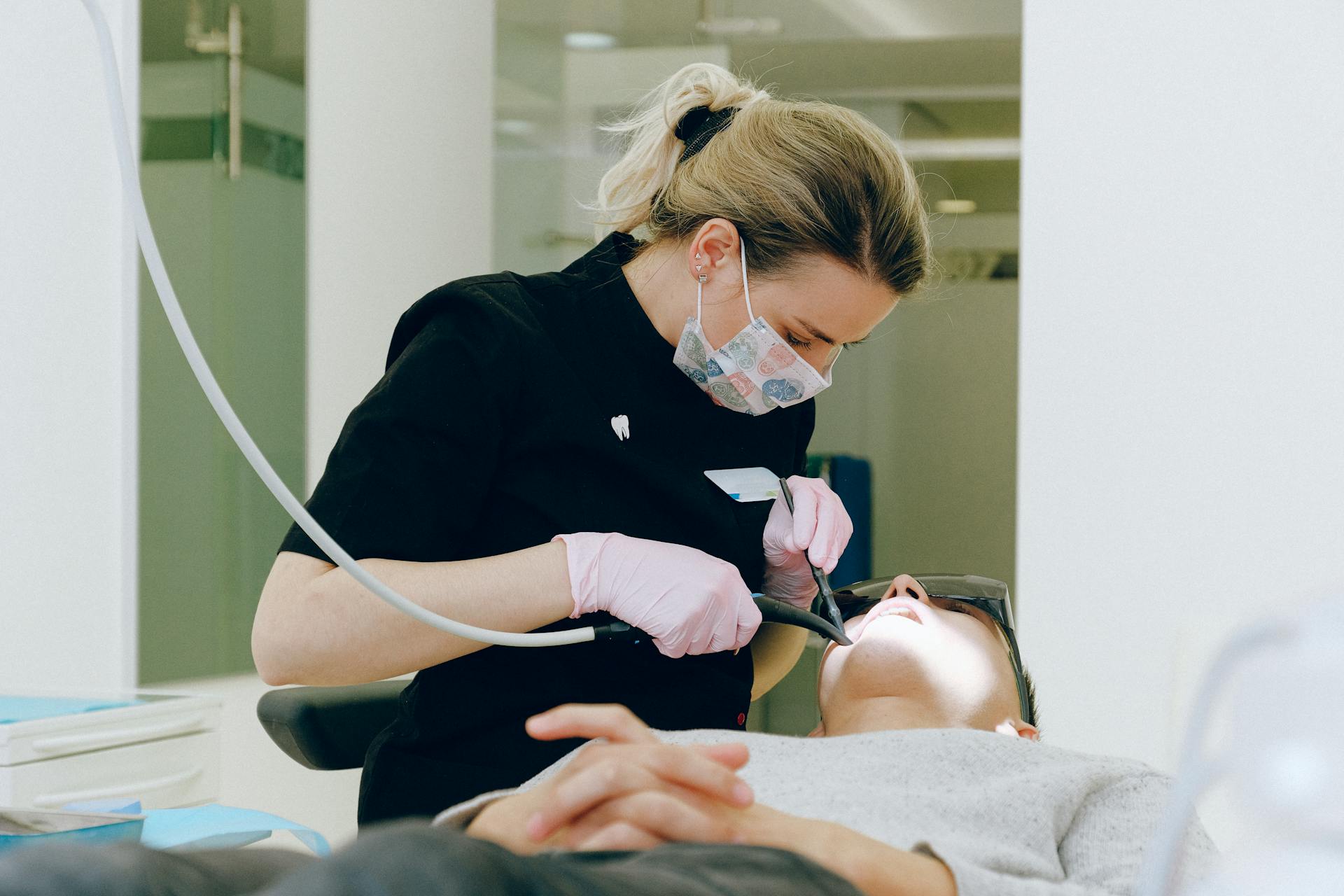
Sedation dentistry has become a favoured solution for patients who experience anxiety or fear about dental procedures. It enables a more comfortable and stress-free dental experience by using various forms of sedation to relax patients before and during dental work. However, a common question among those considering or preparing for sedation dentistry is: “How long does it take to recover from sedation dentistry?” The answer depends on the type of sedation used, as well as individual factors such as the patient’s health, the length of the dental procedure, and how their body reacts to sedation.
Types of Sedation Used in Dentistry
- Nitrous Oxide (Laughing Gas): Recovery from nitrous oxide is quite rapid. The effects of the gas wear off within minutes after the mask is removed, allowing patients to drive themselves home and continue with their day without any significant downtime.
- Oral Sedation: Oral sedatives can take several hours to wear off. Patients may remain groggy and somewhat disoriented for a few hours post-procedure. It is generally recommended that patients arrange for someone to drive them home and avoid operating heavy machinery for at least 24 hours.
- IV Sedation: The effects of IV sedation can vary depending on the dose and duration of sedation. While you may wake up shortly after the IV is discontinued, lingering effects can last for the rest of the day. Patients will need someone to drive them home and should plan to rest for the remainder of the day.
- General Anaesthesia: General anaesthesia is the most profound level of sedation and is typically used for more extensive dental surgeries. Recovery can take several hours, and patients may experience grogginess, dizziness, nausea, or confusion for up to 24 hours. Due to the intensity of this sedation, patients must have a responsible adult to monitor them for 24 hours following the procedure.
Factors Influencing Recovery
- Individual Health: Patients with underlying health conditions or those who are elderly may experience longer recovery times.
- Procedure Length: Longer procedures may require more sedation, which can extend recovery times.
- Reaction to Sedation: Every individual reacts differently to sedation. Some may recover quickly, while others might feel the residual effects for a longer period.
Tips for a Smooth Recovery
- Plan Ahead: Arrange for transportation home and assistance if necessary. Prepare a comfortable recovery area at home where you can rest.
- Stay Hydrated: Drink plenty of fluids to help clear the sedative from your system.
- Eat Lightly: Begin with light meals, such as soup or yogurt, especially if you feel nauseated.
- Follow Dentist’s Instructions: Adhere to any specific recovery tips your dentist provides, which may include taking prescribed medications or avoiding certain activities.
- Rest: Even if you feel alert, take it easy for the rest of the day. Full recovery from the sedative effects might take longer than you initially perceive.
Recovery times from sedation dentistry can vary widely based on the type of sedation used and individual factors. It’s crucial to follow your dentist’s instructions located in Albuquerque, NM and prepare for your recovery in advance. By understanding the different types of sedation and what to expect afterward, you can ensure a smoother, more comfortable recovery process, making your dental experience as stress-free and effective as possible.
