

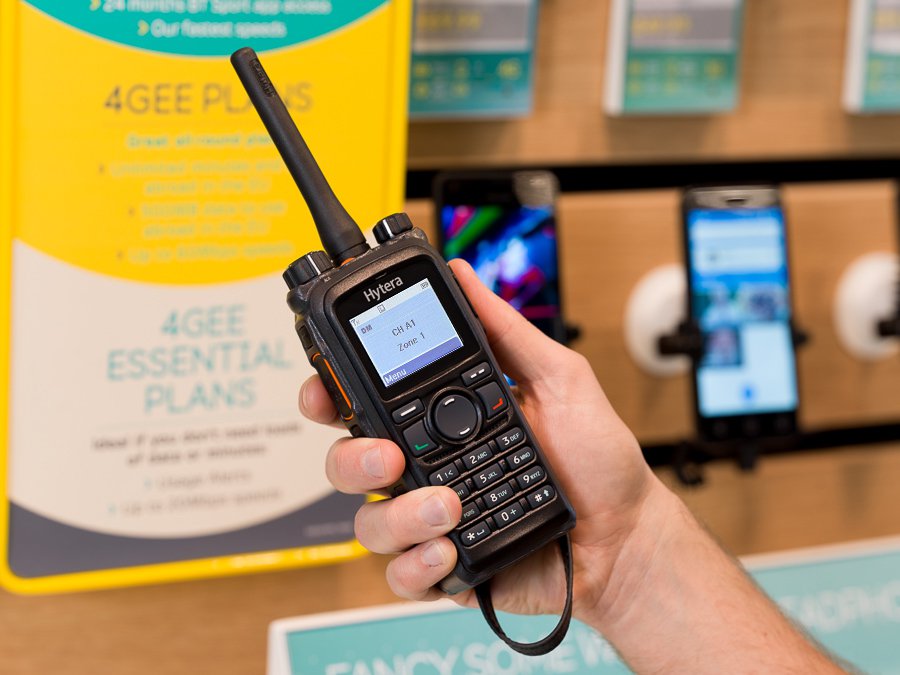
Selecting an appropriate communication gadget is very important when it comes to interaction in different settings. Two main options are available: cell phones and two way radios, also known as two way walkie-talkies. Both have specific uses and perform well under certain circumstances.
While cell phones are versatile hand held devices that can be used for many things in all sectors of life, two-way radios are special purpose communication devices. They are especially useful for those areas that have weak or no cell phone signals at all. Such knowledge of the strengths of these devices can assist you in choosing between the two appropriately.
Advantages of Using Two-Way Radio Walkie Talkies
Two way radios are particularly convenient in scenarios where the signals of mobile phones are not strong. They have their biggest advantage in terms of use when it comes to an area where there are few cell towers. This makes them very useful especially for things like hiking, camping and other activities that are done away from civilization.
Besides, two way radios are quite resistant in construction and can thus be used in different environments. They are strong and can withstand various kinds of mistreatment that would otherwise make a regular mobile phone nonfunctional. Another feature that is appealing to the users is the battery life of these devices. A two way radio can last for days while a cell phone requires charging at least once a day. This reliability is particularly important during long hours of no electricity power supply.
Uses of a Two-Way Radio
Another characteristic that sets two-way radio apart is the real-time communication feature of the device. As compared to cell phones where you have to dial, and have to wait to establish a connection to the caller, a two way radio simply requires a push of a button, and communication begins. This is highly relevant when the delivery of information is critical; like in event planning, construction, and disaster management.
Two-Way Radios vs. Cell Phones
While cell phones provide internet, applications and multimedia services, two-way radios are built for straightforward and immediate contact. In times when a fast response is required, for instance, when on a rescue mission or during a black out, a two-way radio is more effective than a cell phone. They do not depend on cellular networks which get congested during disasters or may be interfered with due to issues with base stations.
Additionally, two-way radios have features that may be designed specifically for certain occupational uses, including weather alerts and encryption for secure communications. These features make them not only a viable substitute for cell phones, but often the better solution when it comes to emergency communication.
Conclusion
The decision of whether to use two-way radio walkie talkies or cell phones will depend on the situation or the needs of the person. Compared to cell phones, two-way radios provide less flexibility. Nevertheless, for situations that require a reliable and fast means of communication, particularly when the working environment is remote, two-way radios have certain benefits. Being aware of these differences will assist you when choosing the most suitable device for your communication needs.
