

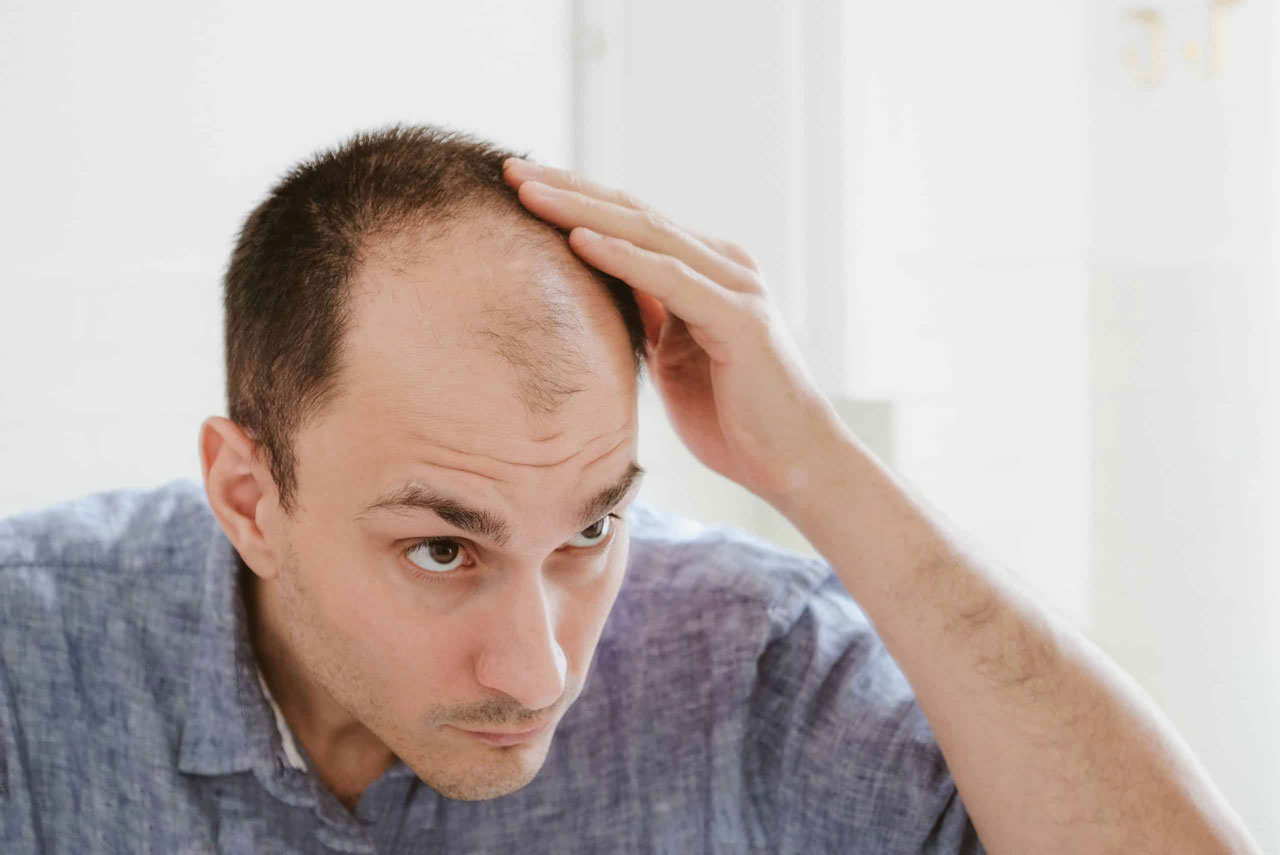
Balding is a serious issue that is becoming more and more prevalent nowadays. Male pattern baldness is one such type of balding which is affecting a sizable portion of males. But when it comes to treating male pattern baldness, or androgenetic alopecia, it is imperative to know the various male baldness pattern stages so as to get the right type of treatment. Let’s take a look at the various stages of male pattern hair loss.
Understanding Male Pattern Baldness
Male pattern baldness doesn’t happen all of a sudden. It happens in a series of stages. Scientifically, it is measured in Norwood scale. Men typically lose their hair in one of several common patterns over the course of many decades. The Norwood scale provides easy-to-reference images that indicate different stages of balding.
Stage 1: Minimal Hair Thinning
The first stage, here the hair loss is negligible, with just a slight receding of the hairline. If you are able to intervene here and get medical help, it would be the best to avoid progression.
Treatment Options:
- Topical Treatments:
-
-
- Minoxidil: A widely used over-the-counter medication that promotes hair growth and slows hair loss. It is most effective in the early stages.
- Natural Oils and Serums: Products containing ingredients like rosemary oil and peppermint oil can stimulate hair growth and improve scalp health.
-
- Lifestyle Changes:
-
- Maintaining a healthy diet rich in vitamins and minerals that support hair health, such as biotin, zinc, and iron.
- Reducing stress through activities like yoga and meditation, as stress can exacerbate hair loss.
Stage 2: Noticeable Hairline Recession
Here, the receding hair has gone back far enough for it to be noticed at first glance itself. This is where people usually start to feel conscious about their hairline showing.
Treatment Options:
- Medications:
-
-
- Finasteride: A prescription medication that reduces hair loss by inhibiting the production of dihydrotestosterone (DHT), a hormone linked to hair loss.
-
- Low-Level Laser Therapy (LLLT):
-
-
- Using laser devices to stimulate hair follicles and promote hair growth. This non-invasive treatment can be effective in slowing hair loss and encouraging new growth.
-
- Microneedling:
-
- A procedure that involves creating tiny punctures in the scalp to stimulate hair growth. It is often combined with topical treatments for enhanced results.
Stage 3: Vertex Thinning
By this time, the hair has receded far enough that it now extends to the crown of the scalp.
Treatment Options:
- Platelet-Rich Plasma (PRP) Therapy:
-
-
- A procedure where a patient’s blood is processed to concentrate the platelets, which are then injected into the scalp to promote hair growth and improve hair density.
-
- Combination Therapies:
-
- Combining minoxidil, finasteride, and PRP therapy can provide synergistic effects, enhancing the overall effectiveness of treatment.
Stage 4: Advanced Hair Loss
Pattern baldness has reached an advanced stage if the remaining hair has formed an ‘M’ shape around the crown of the scalp. This means that there has been significant hair loss.
Treatment Options:
- Hair Transplant Surgery:
-
-
- A surgical procedure where hair follicles are transplanted from a donor area (usually the back of the scalp) to the balding areas. This treatment provides long-term results and natural-looking hair growth.
-
- Scalp Micropigmentation:
-
-
- A non-surgical procedure that involves tattooing tiny dots on the scalp to mimic the appearance of hair follicles, giving the illusion of a fuller head of hair.
-
- Hair Systems and Wigs:
-
- Custom-made hairpieces that blend with existing hair, providing an immediate solution to hair loss.
Stage 5: Severe Hair Loss
Hair loss is extensive, leaving only a band of hair around the sides and back of the head.
Treatment Options:
- Advanced Hair Transplant Techniques:
-
-
- Techniques such as Follicular Unit Extraction (FUE) and Follicular Unit Transplantation (FUT) are effective for those with significant hair loss.
-
- Hair Restoration Systems:
-
-
- High-quality hair systems that are custom-fitted and styled to match the patient’s natural hair, offering a practical and non-surgical solution.
-
- Medical Wigs:
-
- Specialized wigs designed for individuals with severe hair loss, providing a natural appearance and comfort.
Stage 6 and 7: Extensive and Complete Baldness
In these final stages, only a thin band of hair remains, and the bald areas are extensive.
Treatment Options:
- Comprehensive Hair Restoration:
-
-
- Combining hair transplant surgery with other treatments like PRP therapy and scalp micropigmentation can achieve the best results.
-
- Permanent Hair Systems:
-
-
- High-quality, durable hair systems that provide a long-term solution to complete baldness.
-
- Acceptance and Styling:
-
- Embracing baldness and focusing on scalp care. Some men choose to shave their heads and adopt styles that highlight their bald look confidently.
Understanding the stages of male pattern hair loss and the corresponding treatment options can help men make informed decisions about their hair restoration journey. From early intervention with topical treatments to advanced surgical options, there are effective solutions for every stage of hair loss. Consulting with a hair specialist is crucial to developing a personalized treatment plan that addresses individual needs and achieves the best possible outcomes.
