

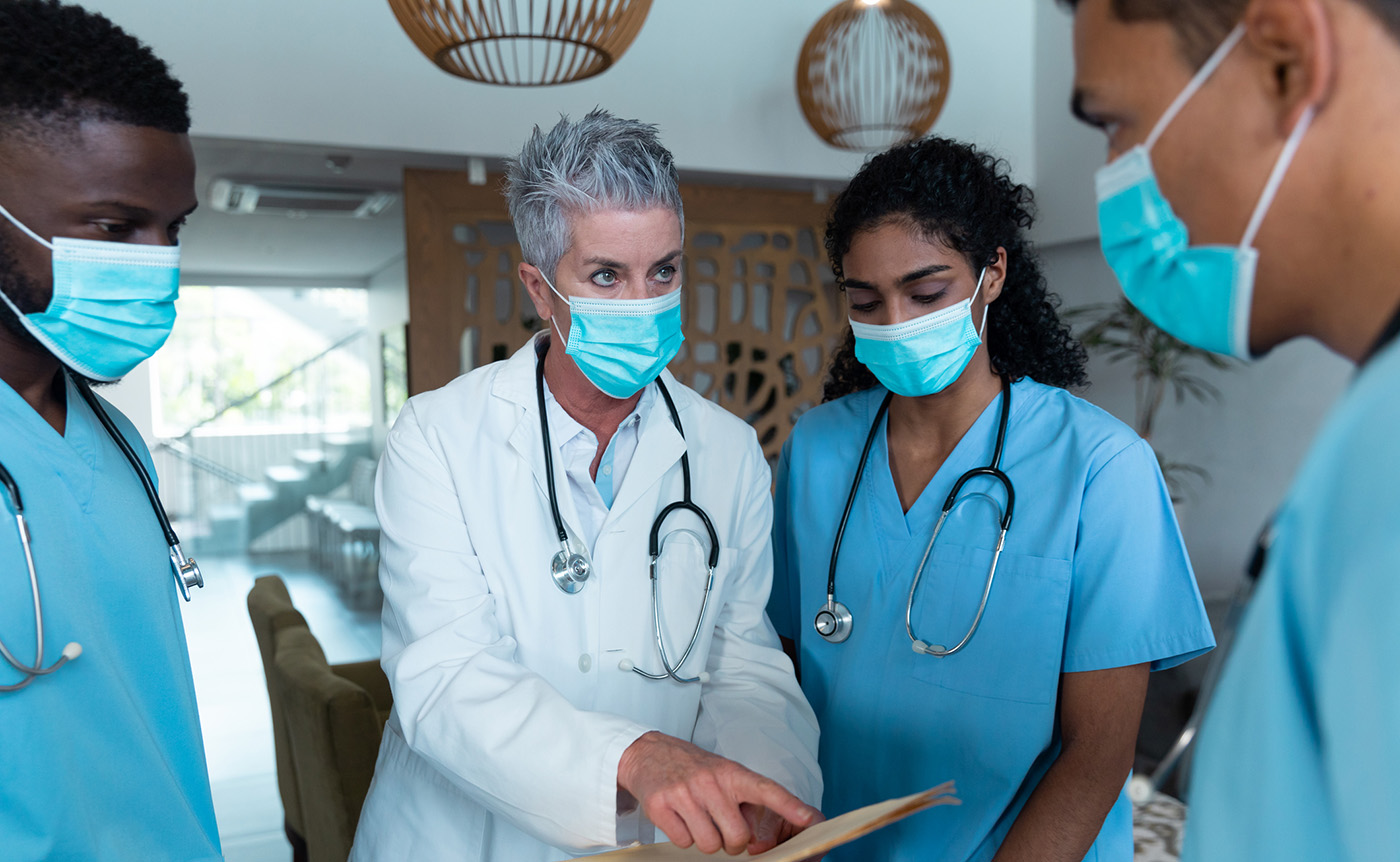
Ensuring the safety of patients within healthcare settings is a priority for medical institutions around the world. A concerted effort is made to cultivate environments where continuous learning and professional development play key roles in minimizing risks. Focused training and education resources serve as the bedrock for enhancing practices that protect those under medical care. Keep reading to discover the initiatives that are making a difference in healthcare training today.
Leveraging Technology to Improve Patient Safety Training
In recent years, technological innovations have enhanced the way education is delivered to healthcare professionals, particularly in patient safety training. E-learning platforms are now commonly used, offering flexible and accessible learning opportunities. These digital tools allow for training to be personalized and tracked, providing insight into individual and collective learning progress.
Virtual reality (VR) and augmented reality (AR) technologies also present promising avenues for immersive learning experiences. These cutting-edge tools simulate real-world scenarios, allowing healthcare workers to practice procedures and decision-making in a controlled, risk-free environment. This hands-on approach can sharpen skills and build confidence before practitioners apply them in actual clinical settings.
Gamification is another technique being applied to training, making learning more engaging and interactive. By incorporating game design elements into educational activities, healthcare professionals may find themselves more motivated and inclined to participate actively. This can reinforce knowledge retention and make complex patient safety concepts more digestible.
Implementing Simulation-based Training for Real-life Patient Safety Scenarios
Simulation-based training is a powerful tool in the patient safety arsenal. By mimicking real-life medical situations, healthcare providers can experience the gravity of patient care decisions without the associated risks. Simulations take many forms, from mannequins and standardized patient actors to sophisticated computer-based programs that replicate clinical environments and patient interactions.
One of the core benefits of this form of training is the ability to safely make and learn from mistakes. In a simulated setting, adverse outcomes serve as profound learning opportunities rather than tragic real-world incidents. It empowers teams to refine their responses to emergencies and routine care processes through practical application.
The collaborative aspect of simulation-based training also reinforces teamwork and communication skills that are vital to patient safety. In these scenarios, interdisciplinary teams can work together, navigating the dynamics of a high-pressure medical environment. This teamwork experience is invaluable in creating a cohesive unit that functions effectively under real-world conditions.
Exploring the Role of Continuous Education in Enhancing Patient Safety
Continuous education in healthcare is crucial for keeping up with rapid advancements in medical knowledge and practices. It helps professionals stay adept at managing new technologies, medications, and procedures. Beyond that, continuous learning fosters a culture of safety, encouraging healthcare workers to remain vigilant and proactive about potential hazards. By prioritizing education, medical professionals can develop the necessary skills to predict, identify, and mitigate risks to patient well-being.
Further strengthening this perspective, regulatory bodies and industry leaders advocate for ongoing education as a sieve to catch system oversights before they impact patient health. Courses, workshops, and seminars provide platforms for learning and discussing best practices in patient safety. This constant exchange of ideas and experiences adds to the collective knowledge pool, which in turn refines individual competencies.
For instance, organizations like the ECRI Institute are pivotal in offering resources and insights that guide continuous learning processes. Such institutions serve as beacons, guiding healthcare facilities in adopting practices proven to safeguard patient safety. These resources offer a credible foundation for building robust educational frameworks within the industry.
Evaluating the Effectiveness of Patient Safety Education Initiatives
An essential aspect of any education initiative is the assessment of its impact, particularly in the context of patient safety. Through evaluation, healthcare organizations can gauge whether their training efforts are translating into safer patient care practices. Metrics such as error rates, incident reports, and patient outcomes often serve as indicators of a training program’s success or areas in need of refinement.
Feedback from participants is another key factor in measuring training effectiveness. Surveys and interviews can yield insights into how educational content is being received and applied within clinical settings. Such feedback not only informs immediate improvements but also shapes the evolution of training curricula over time.
Altogether, the pursuit of excellence in patient safety is an ongoing journey that hinges on the deployment of robust education and training initiatives. Overall, it is the unwavering commitment to continuous improvement and adaptation that ensures healthcare professionals are well-equipped to safeguard the well-being of their patients.
