

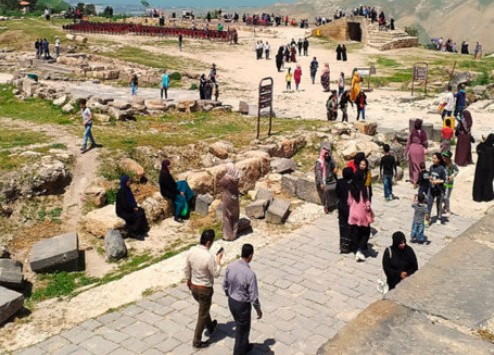
More Than Storytellers at Ancient Sites
When travelers visit famous archaeological sites, guides are often seen simply as storytellers. They explain historical facts, point out architectural details, and help visitors understand the culture behind ancient ruins. Yet the role of licensed guides goes far beyond interpretation. In many protected heritage locations, guides quietly function as frontline guardians of preservation.
Archaeological sites are delicate environments. Foot traffic, accidental damage, and even small environmental disruptions can affect structures that have survived for centuries. Licensed guides help maintain the balance between tourism and conservation by ensuring that visitors respect site rules and follow designated pathways.
A good example can be seen in experiences like a Machu Picchu guided tour, where trained professionals lead visitors through carefully managed routes while providing context about the history and significance of the ancient Inca citadel.
In places like this, guides are not just narrators of history. They are part of the preservation system itself.
Protecting Fragile Structures Through Supervision
Archaeological landmarks often contain structures that are extremely sensitive to physical contact. Stone stairways may be worn down by centuries of erosion. Ancient walls may be vulnerable to vibration or pressure from crowds.
Licensed guides play an important role in monitoring how visitors move through these environments. By leading groups along designated routes, they reduce the likelihood of people wandering into restricted areas or touching delicate surfaces.
This supervision may seem subtle, but its impact is significant. A single guide managing a small group can prevent behaviors that might unintentionally damage artifacts or architectural elements.
Heritage organizations around the world emphasize the importance of controlled visitor movement within archaeological sites. For example, UNESCO outlines preservation strategies for cultural landmarks that include visitor management and educational guidance. Readers interested in how historic sites are protected globally can explore information from UNESCO.
Guides serve as a human layer of protection within these preservation systems.
Interpreting History With Cultural Sensitivity
Archaeological sites are not just collections of ancient stones. They are physical representations of cultures, traditions, and communities that still hold meaning today. Licensed guides help ensure that visitors understand these deeper connections.
Trained guides typically study the history, archaeology, and cultural traditions associated with the sites they interpret. Their explanations help travelers appreciate the significance of structures, ceremonies, and social systems that shaped ancient civilizations.
Without that context, visitors might view ruins simply as scenic landmarks. With proper interpretation, those same ruins become living stories about human ingenuity and cultural identity.
This educational role also encourages respectful behavior. When travelers understand the importance of a site, they are far more likely to treat it carefully.
Guides therefore contribute to preservation not only through supervision but also through education.
Supporting Sustainable Tourism
The tourism industry often brings economic benefits to regions surrounding archaeological sites. However, unmanaged tourism can quickly create problems for fragile heritage locations.
Licensed guides help support sustainable tourism by guiding visitors through responsible travel practices. They often explain why certain rules exist, such as staying on marked trails, avoiding restricted zones, or limiting noise in sensitive areas.
These small reminders help travelers become partners in preservation rather than passive observers.
Organizations focused on sustainable travel frequently highlight the importance of local expertise in protecting historic landmarks. Research from the Global Sustainable Tourism Council discusses how trained professionals contribute to responsible tourism practices at heritage destinations. Travelers interested in sustainable travel principles can learn more.
By guiding visitors responsibly, licensed professionals help ensure that tourism supports conservation rather than harming it.
Bridging the Gap Between Archaeology and Visitors
Archaeologists and preservation specialists often conduct extensive research at historic sites. However, much of that information can be complex or highly technical. Licensed guides act as translators between academic knowledge and public understanding.
They convert archaeological findings into stories that travelers can easily follow. A guide might explain how a structure was built, why certain materials were used, or how daily life unfolded within the ancient city.
This bridge between research and storytelling makes archaeology accessible to a broader audience. Visitors leave with a deeper appreciation for the site and the scientific work behind its preservation.
Guides therefore play a unique role in connecting academic knowledge with public curiosity.
Encouraging Responsible Visitor Behavior
Another important responsibility of licensed guides involves shaping visitor behavior through example. Travelers often follow the lead of their guides when navigating unfamiliar environments.
When guides demonstrate respect for the site by avoiding certain areas or explaining conservation rules, visitors naturally adopt those behaviors as well.
In many locations, guides also help enforce visitor limits or time restrictions that protect the site from overcrowding. By managing the pace of group movement, they reduce congestion and minimize environmental impact.
This quiet leadership helps maintain order in places that might otherwise struggle with large crowds.
Guides become both educators and role models for responsible tourism.
Strengthening Local Cultural Connections
Licensed guides are frequently members of the communities surrounding archaeological sites. Their work often reflects a deep personal connection to the history and traditions of the region.
This local perspective enriches the visitor experience in meaningful ways. Guides may share stories passed down through generations, describe traditional practices still present in nearby villages, or explain how ancient heritage continues to influence modern culture.
For travelers, these insights create a stronger emotional connection to the site. Instead of viewing the ruins as distant relics, visitors begin to see them as part of an ongoing cultural narrative.
That connection often inspires greater respect and appreciation for preservation efforts.
A Quiet Force Behind Preservation
Archaeological landmarks are among the world’s most valuable cultural treasures. Protecting them requires a combination of scientific research, government regulation, and responsible tourism practices.
Licensed guides contribute to all three of these efforts. They protect fragile structures through careful supervision, educate visitors about cultural history, and promote responsible travel behavior.
While their role may not always be obvious, guides form a vital link between heritage preservation and public access.
The next time travelers explore an ancient site, the guide leading the way is doing far more than sharing stories. They are helping ensure that these remarkable places remain intact and meaningful for generations to come.
