

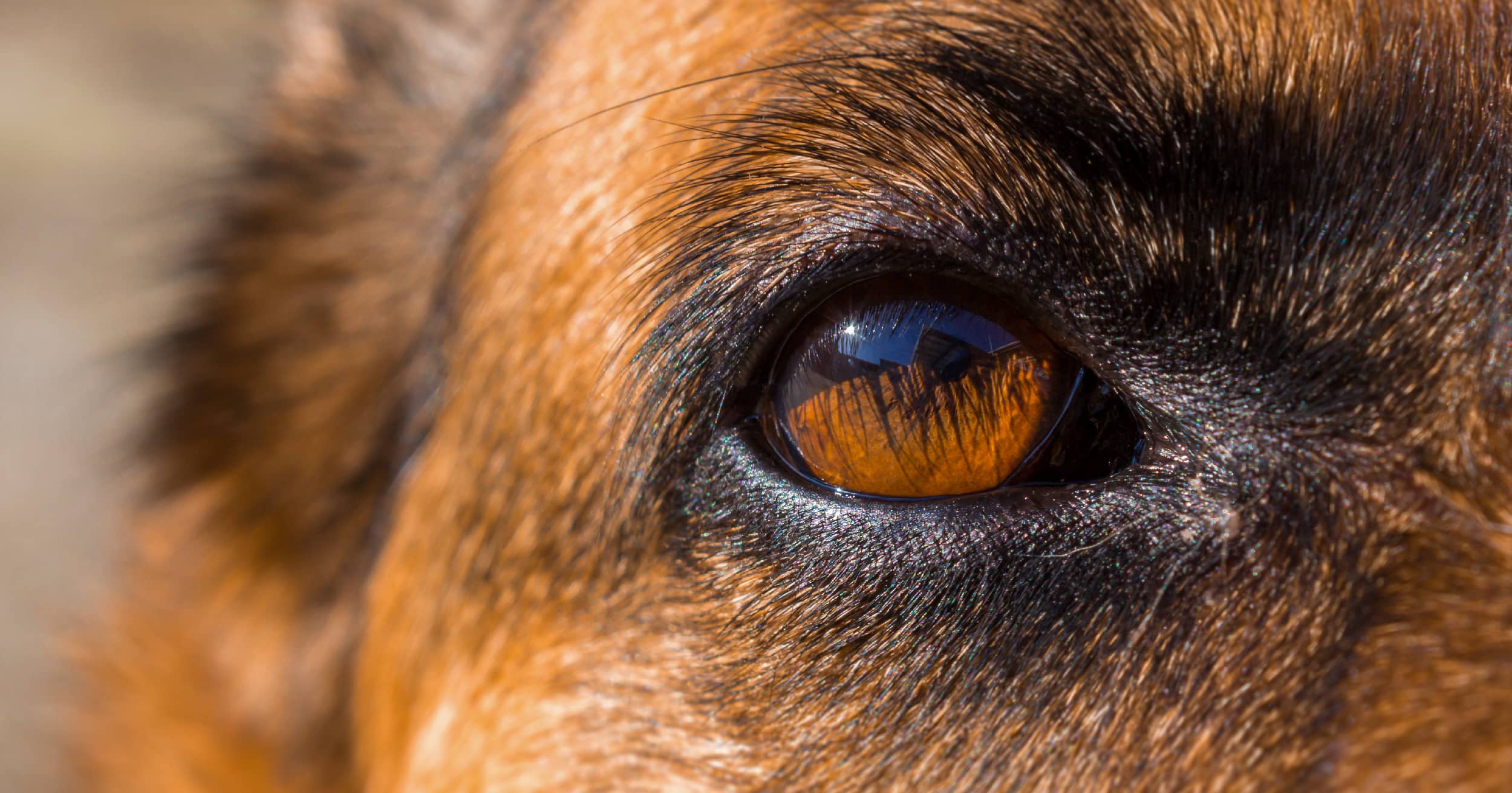
When it comes to the quirky anatomy of pets, dogs have some of the most fascinating features. Their eyes, in particular, have puzzled pet owners and enthusiasts alike. One question that arises is: how many eyelids do dogs actually have? Most people assume all animals have two eyelids per eye, as humans do, but dogs are a little different. Understanding their unique eye anatomy can offer insights into their vision, health, and ways to care for them better.
The Canine Eye Structure: A Fascinating Design
The Basics of the Canine Eye
Dogs’ eyes are structurally similar to ours in many ways. They have the same basic components like the cornea, iris, lens, and retina, which allow them to see in dim light and perceive motion exceptionally well. But, unlike humans, dogs evolved as crepuscular hunters, meaning they are most active during dawn and dusk. This evolutionary trait has led to some unique adaptations, including their distinctive eyelid structure.
More Than Meets the Eye: The Third Eyelid
Dogs, like many other animals, have a third eyelid, known as the nictitating membrane. This extra eyelid adds another layer of protection and serves additional purposes that contribute to a dog’s visual and overall eye health. Unlike the upper and lower eyelids, which move vertically, the third eyelid moves horizontally, sweeping across the eye from the inner corner. Not only does it act as a barrier against debris, but it also keeps the eye moist, which is particularly beneficial given that dogs tend to be exposed to dust, dirt, and grass.
How Many Eyelids Do Dogs Really Have?
In total, dogs have three eyelids per eye: the upper eyelid, the lower eyelid, and the third eyelid, or nictitating membrane. Here’s a breakdown of each:
- Upper Eyelid – Similar to our own, the upper eyelid provides protection, blinks to spread tears across the eye, and helps keep dust and foreign particles out.
- Lower Eyelid – Works with the upper eyelid to protect the eye and is responsible for partial tear distribution.
- Third Eyelid (Nictitating Membrane) – This third eyelid serves as an extra shield against environmental elements and plays a critical role in maintaining eye hydration and health.
Why Do Dogs Have a Third Eyelid?
The third eyelid in dogs has its roots in survival. Over millennia, canines have had to adapt to varying environmental challenges, including dust, sand, wind, and other harsh conditions. The nictitating membrane acts as an “eye wiper,” sweeping across the eye and removing particles that could damage sensitive tissues. This extra layer of protection is especially useful for breeds that work in rough terrain or hunt, such as retrievers, hounds, and herding breeds.
The third eyelid also supports immune defense, housing lymphoid tissue that produces white blood cells. These cells are crucial for fighting off infections, helping keep the eye area resilient against bacteria and viruses. It’s like a built-in antimicrobial agent, a vital function for dogs that might frequently come into contact with pathogens in various environments.
Understanding the third eyelid’s role in canine health reveals just one aspect of the fascinating biology of our pets. In exploring Peculiar Pet Facts: How Many Eyelids Do Dogs Have? we uncover how this unique feature enhances their ability to thrive in diverse conditions. Beyond its protective functions, the third eyelid plays a crucial part in maintaining moisture, ensuring that a dog’s eyes remain hydrated and healthy. This multifaceted membrane exemplifies the remarkable adaptations that dogs possess, helping them navigate their environments with resilience and agility.
Functions and Benefits of the Third Eyelid
The nictitating membrane serves several key functions:
- Protection from Injuries
Dogs are active creatures, and many have high-energy lifestyles that expose them to potential hazards. From rough play to sprinting through bushes, dogs are prone to eye injuries. The third eyelid provides a layer of protection against scratches, bites, and debris that may otherwise harm their eyes. - Moisture and Lubrication
The third eyelid helps to maintain moisture by spreading a layer of tears over the eye. This action is especially important for dogs who spend time outdoors or in windy conditions. Keeping the eye moist prevents it from becoming dry and irritated, which could lead to conditions like conjunctivitis. - Debris Removal
Acting as a built-in squeegee, the third eyelid helps clear dust and particles that come in contact with the eye. The membrane moves horizontally, which means it can reach areas that the upper and lower eyelids cannot. For dogs who love digging, running through fields, or sticking their heads out of car windows, this feature is invaluable. - Immune Support
Housing immune cells within its tissue, the third eyelid plays a defensive role, aiding in the prevention of eye infections. This immune function is beneficial for dogs prone to irritants and allergens in the environment.
Third Eyelid Disorders: Recognizing Common Conditions
While the third eyelid is helpful, it can also become a source of concern if it isn’t functioning properly. Various conditions can affect the third eyelid, some of which may require veterinary attention.
- Cherry Eye
Cherry eye is one of the most common third-eyelid disorders in dogs. It occurs when the gland of the third eyelid becomes swollen and protrudes, creating a red, cherry-like appearance in the inner corner of the dog’s eye. This condition can be treated with surgical intervention to reposition the gland, as leaving it untreated may result in dry eye or chronic irritation. - Prolapsed Nictitating Membrane
This condition refers to a third eyelid that has become dislocated. A prolapsed nictitating membrane can obstruct a dog’s vision and cause discomfort. It may stem from injury or be a congenital issue in some breeds. Surgical correction is often recommended. - Horner’s Syndrome
Horner’s Syndrome is a neurological disorder affecting the nerves that control eye and facial muscles, including those around the third eyelid. Symptoms include drooping of the upper eyelid, a sunken appearance of the eye, and a prominent third eyelid. Treatment depends on identifying and addressing the underlying cause. - Foreign Bodies and Irritation
Dogs can sometimes get debris, like grass seeds or dirt, lodged beneath the third eyelid. This can cause redness, swelling, and discomfort. In many cases, the veterinarian may need to sedate the dog to remove the foreign body safely. - Conjunctivitis
Infections or irritants that affect the conjunctiva can also impact the third eyelid. Conjunctivitis often results in inflammation and redness around the eye, causing the third eyelid to become more visible. Treatment typically involves medicated drops or ointments.
Breeds Prone to Third Eyelid Issues
Certain breeds are more predisposed to third eyelid problems than others. Brachycephalic breeds, or dogs with short, flat faces, like Bulldogs, Pugs, and Shih Tzus, often experience eye issues due to the shape of their skulls and the shallow eye sockets. Other breeds, such as Beagles, Cocker Spaniels, and Great Danes, are also prone to conditions like cherry eye.
Understanding the predispositions of these breeds can help owners watch for early signs of third eyelid problems, enabling timely treatment and prevention of complications.
How to Care for Your Dog’s Eyes
Caring for your dog’s eyes can prevent a range of issues related to the third eyelid. Here are a few tips to help maintain their eye health:
- Routine Eye Checks
Regularly inspect your dog’s eyes for any signs of redness, discharge, or swelling. If you notice any abnormalities, consult your vet as soon as possible. - Cleanliness and Hygiene
Use a clean, damp cloth to gently wipe around your dog’s eyes, especially if they tend to tear up frequently. This simple practice can prevent debris buildup and reduce the risk of infection. - Protective Gear
For dogs that frequently accompany their owners on outdoor adventures, consider using protective goggles designed for pets. These can help shield their eyes from dust, debris, and UV rays. - Regular Vet Visits
Annual or biannual veterinary check-ups can help catch eye issues early. A vet can perform specialized exams to assess the health of your dog’s third eyelid and other eye structures. - Balanced Diet
Nutrition plays a significant role in eye health. Omega-3 fatty acids, vitamin A, and antioxidants are beneficial for maintaining good vision. Many dog foods are fortified with these nutrients, or you can discuss supplements with your vet.
Fun Facts About Canine Vision and Third Eyelids
- Dogs See Differently Than Humans: While humans are trichromatic, meaning we perceive three primary colors, dogs are dichromatic and see a spectrum mostly in shades of blue and yellow.
- A Unique Horizontal Blink: The third eyelid in dogs allows them to blink sideways, a feature that helps them remove particles quickly without needing to close their eyes entirely.
- Self-Lubricating Eyes: The nictitating membrane not only protects but also self-lubricates the eyes by spreading tears evenly, keeping the surface moist and healthy.
- Built-In Eye Defense: The immune tissue within the third eyelid acts as a natural defense, helping to prevent infections that would otherwise affect the dog’s vision and comfort.
Conclusion
Understanding the role of the third eyelid provides a fascinating look into the unique ways dogs are designed to thrive in various environments. With three eyelids per eye, dogs benefit from enhanced eye protection, debris removal, and moisture control. Their eyes are not just windows to the soul but are also complex organs designed for optimal performance and survival. For pet owners, keeping an eye on their furry friends’ eye health can prevent issues and ensure that their beloved pets continue to see the world clearly.
So, next time you look into your dog’s eyes, remember that there’s more to those puppy-dog eyes than meets the
