

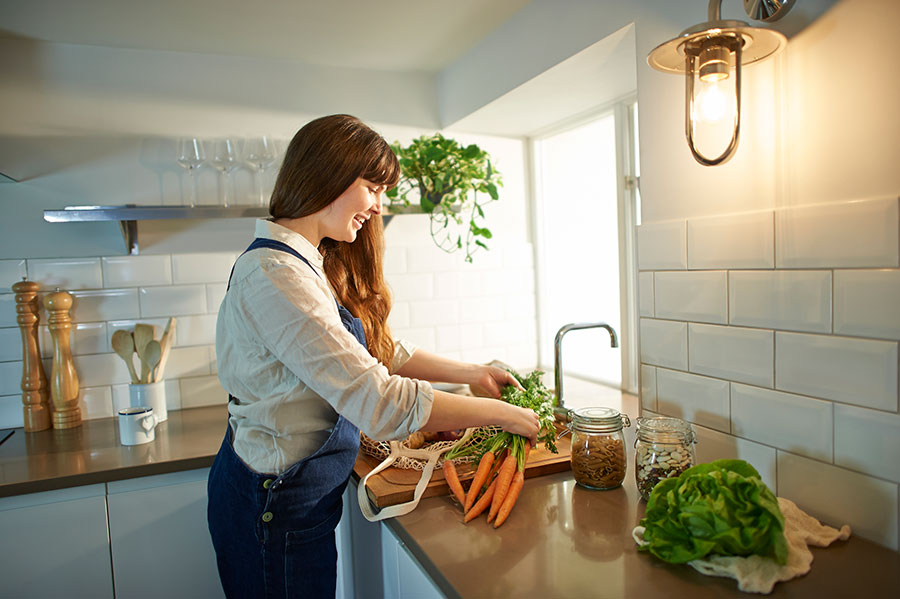
It’s becoming increasingly important to use different sustainable practices, and the kitchen is a great place to start. Whether you’re looking to reduce waste, save energy, or simply make more conscious choices in your home, there are plenty of ways to use your kitchen in a more eco-friendly way. From remodeling choices to everyday cleaning practices, here, we’ll help you create a kitchen that’s good for both you and the planet.
Rethink Your Kitchen Design for Sustainability
If you’re planning any updates to your kitchen, incorporating sustainability from the get-go is a smart move. Kitchens are one of the most resource-intensive rooms in a home, but there are eco-friendly approaches to home remodeling that can help minimize your environmental impact. This includes choosing materials that are durable, recycled, and energy-efficient. For instance, when picking out new countertops, consider using sustainable materials like recycled glass or bamboo. When it comes to flooring, cork or reclaimed wood are excellent choices.
Similarly, energy-efficient appliances should top your list. Look for refrigerators, ovens, and dishwashers with an Energy Star rating, which ensures they use less electricity than their conventional counterparts. Also, consider installing low-flow faucets to conserve water. It’s all about designing a kitchen that not only serves your needs but also reduces your carbon footprint over time.
Choose Greener Cleaning Solutions
One of the most impactful ways to make your kitchen more sustainable is through your cleaning habits. Traditional paper towels and chemical-laden cleaning products can contribute to excessive waste and environmental harm. But don’t worry, you can clean your kitchen effectively while keeping it green.
For starters, you can easily switch to reusable paper towels. These towels are perfect for wiping down counters, cleaning spills, and maintaining hygiene without the waste of single-use paper towels. Reusable options last significantly longer, are easy to wash, and they lower your household waste. Imagine never having to toss out a roll of paper towels again—it’s not only eco-friendly but cost-efficient too.
If you still prefer a disposable option, there are more sustainable alternatives available. For example, many find bamboo paper towels to be a good alternative to regular paper towels. Because they are made from renewable bamboo, they can be composted after use and are more sustainable thanks to how fast bamboo grows.
Be Smart With Food Storage and Waste
The kitchen is often the heart of food preparation, but it’s also where much of the waste happens. From plastic packaging to food waste, our kitchens can quickly become a source of excess. But with a few small adjustments, you can cut down on waste and make food storage more sustainable.
Start by saying goodbye to plastic wrap and plastic bags. These single-use items are harmful to the environment, and they often end up in landfills or polluting oceans. Instead, invest in reusable containers and wraps. Glass containers, silicone bags, and beeswax wraps are excellent alternatives that can be used over and over again. They not only help reduce plastic waste but also keep your food fresher for longer. Plus, using reusable containers is a great way to store leftovers without contributing to the single-use plastic problem.
Composting is another great way to reduce kitchen waste. Instead of tossing food and your scraps in the trash, set up a small compost bin where you can collect vegetable peels, coffee grounds, and other organic waste. Once it’s full, transfer it to an outdoor compost pile or a local composting facility. Composting can reduce landfill waste and it creates nutrient-rich soil for your garden.
Lastly, be mindful of food expiration dates. It’s easy to forget what’s lurking in the back of the fridge, so make a habit of organizing your food in a way that ensures you use up items before they spoil. By planning meals and keeping track of what’s in your fridge and pantry, you’ll waste less food and make the most of your grocery shopping.
Cook More Efficiently and Save Energy
How you cook in your kitchen also plays a significant role in its sustainability. Cooking consumes a lot of energy, but with a few tweaks to your habits, you can minimize the environmental impact of preparing meals.
First, make the most of your stove and oven’s energy by cooking with lids on your pots and pans. Trapping heat inside not only cooks food faster but also reduces the amount of energy needed to maintain a high cooking temperature. If you’re boiling water, always cover the pot to speed up the process. For baking, avoid opening the oven frequently, as this lets heat escape and forces the appliance to work harder.
Next, consider investing in energy-efficient appliances if you haven’t already. Modern induction stoves use less electricity than traditional electric or gas stoves and heat food more quickly. Slow cookers, pressure cookers, and even newer air fryers are also great energy-saving options that can help cut down on cooking time and power usage.
