

If you want to use your Android apps on a laptop or PC then this article is only for you. In today’s fast-changing tech world, it’s important to easily use different programs together. With Windows 11 becoming popular, people often want to know how to use their favourite Android apps on it.
This guide will show you step-by-step how to play any Android app on Windows 11 using emulators, making it simple to follow. Before we get into the details, let’s clarify what we mean by ’emulator.’ An emulator is like a computer program that acts like another system.

Best Way to Install Android Apps on Windows 11
Here, we’re talking about Android emulators, which copy the Android system on your Windows 11 computer. This copying lets you smoothly use Android apps, making them work as if they were made for your Windows device.
Step 1: Choose the Right Emulator
The first step on your journey to playing Android apps on Windows 11 is selecting a reliable emulator. There are several options available, but two stand out as user-friendly and efficient: BlueStacks and NoxPlayer. These emulators have garnered popularity for their ease of use and compatibility with a wide range of Android applications.
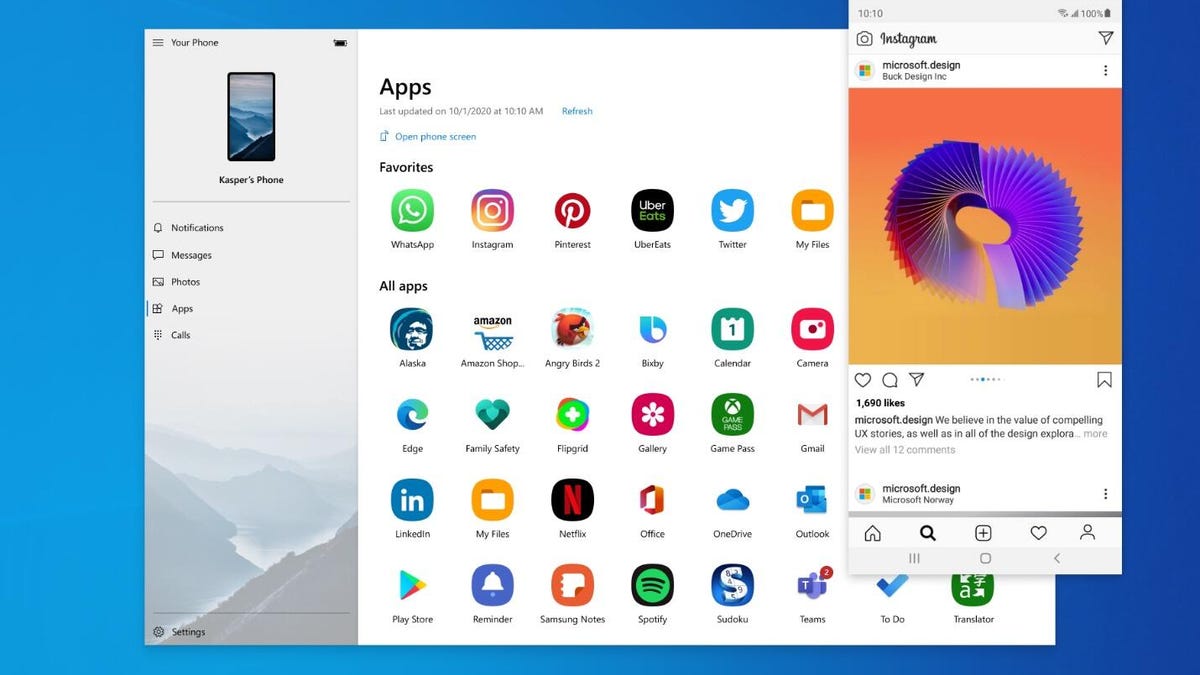
- BlueStacks: A veteran in the world of Android emulation, BlueStacks offers a user-friendly interface and excellent performance. You can also use Dooflix for PC and can go to the official BlueStacks website, download the installer, and follow the on-screen instructions to set it up.
- NoxPlayer: Another strong contender, NoxPlayer is known for its stability and customization options. Visit the NoxPlayer website, download the installer, and install the emulator on your Windows 11 PC by following the prompts.
Step 2: Installation and Setup
Once you’ve chosen your emulator, the next step is installing and setting it up.
- BlueStacks: After installation, launch BlueStacks and sign in with your Google account. This step is crucial as it gives you access to the Google Play Store, enabling you to download and install Android apps.
- NoxPlayer: Similar to BlueStacks, sign in with your Google account upon launching NoxPlayer. This establishes a connection to the Google ecosystem, facilitating app installations.
Step 3: Browsing and Installing Apps
With the emulators set up, you can now explore and download your favourite Android apps.
- BlueStacks: Open the BlueStacks interface, navigate to the Google Play Store, and search for the desired app. Click on ‘Install,’ and BlueStacks will automatically download and install the app. You can also use LDPlayer which is paid software. But you should check fake gpay screenshot before making payment to any third party when most software are free
- NoxPlayer: Access the Google Play Store within NoxPlayer, search for your preferred app, and click ‘Install.’ NoxPlayer will handle the download and installation seamlessly.
Step 4: Customizing Your Experience
Both BlueStacks and NoxPlayer offer a range of customization options to enhance your experience.
- BlueStacks: Explore the settings menu in BlueStacks to adjust performance, graphics, and other preferences. You can also sync your Android device with BlueStacks for a seamless transition of apps and data.
- NoxPlayer: Customize the emulator by adjusting settings such as screen resolution, graphics quality, and CPU allocation. This allows you to optimize NoxPlayer based on your PC’s specifications.
Step 5: Troubleshooting Common Issues
While these emulators are user-friendly, you might encounter some common issues. Here’s how to troubleshoot:
- Performance Issues: If your PC is struggling, try adjusting the emulator’s settings to lower graphics quality or allocate more resources.
- App Compatibility: Some apps may not run perfectly on emulators. In such cases, check for emulator updates or look for alternative apps.
- Installation Problems: If an app fails to install, restart the emulator and try again. Ensure that your internet connection is stable.
Conclusion
In summary, using Android apps for Windows 11 is now very achievable. Emulators such as BlueStacks and NoxPlayer make it possible, giving you the chance to use your preferred mobile apps on a bigger screen. Just follow the steps we’ve discussed in this guide, and you can smoothly bring the Android experience to your Windows 11 setup. Embrace the flexibility of technology, and enhance your device usage by connecting different operating systems. Enjoy exploring new apps!
