

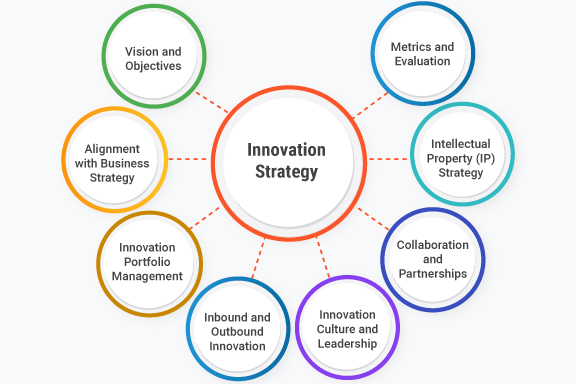
In today’s dynamic business landscape, organizations need to adopt innovative strategies to ensure sustained success and growth. One area that has garnered significant attention is the investment sector, particularly mutual funds and the commodity market. These investment avenues offer businesses opportunities to diversify their portfolios and manage risks effectively. This article explores innovative strategies involving mutual funds and the commodity market that can contribute to modern business success.
1. Leveraging Mutual Funds for Strategic Growth
Mutual funds are a popular investment choice for businesses seeking to diversify their holdings and optimize returns. These funds pool money from multiple investors to invest in a diversified portfolio of stocks, bonds, or other securities. For businesses, mutual funds offer several strategic benefits:
- Diversification: By investing in a variety of assets, mutual funds help spread risk and reduce the impact of market volatility on a business’s investment portfolio. For example, a tech startup might invest in mutual funds that include a mix of technology stocks and bonds, balancing potential high returns from tech stocks with the stability provided by bonds.
- Professional Management: Mutual funds are managed by professional fund managers who have the expertise to make informed investment decisions. For instance, a manufacturing company might invest in a fund managed by experts who specialize in industrial sectors, ensuring that the company’s investments are optimized for growth within this niche.
- Liquidity and Flexibility: Mutual funds offer liquidity, allowing businesses to access their investments relatively quickly compared to other investment options. A retail business, for example, might choose a mutual fund for its short-term investment needs, such as funding seasonal promotions or managing cash flow during peak sales periods.
Strategy Tip: Businesses should consider investing in mutual funds that align with their risk tolerance and financial goals. For instance, an emerging fintech company might invest in growth-oriented equity mutual funds to capitalize on high-growth opportunities, while a more established firm might prefer balanced funds for steady returns.
2. Exploring Commodity Market Opportunities
The commodity market presents another avenue for businesses to explore innovative investment strategies. Commodities such as oil, gold, and agricultural products can offer unique advantages:
- Hedge Against Inflation: Commodities often act as a hedge against inflation, as their prices tend to rise when inflationary pressures increase. For example, a logistics company might invest in oil futures to protect against rising fuel costs, which can impact their operational expenses.
- Diversification Beyond Traditional Assets: Investing in commodities allows businesses to diversify beyond traditional asset classes such as stocks and bonds. For instance, a technology firm might invest in gold as a safe-haven asset, providing stability during periods of market volatility.
- Global Economic Exposure: Commodities are influenced by global economic factors, including supply and demand dynamics, geopolitical events, and currency fluctuations. A business involved in international trade might invest in agricultural commodities to benefit from global demand shifts and improve its supply chain resilience.
Strategy Tip: Businesses should carefully analyze the commodity market and consider factors such as market trends, geopolitical developments, and supply chain dynamics before making investment decisions. A beverage company, for example, might explore investments in agricultural commodities like coffee or sugar to manage costs and secure supply chains.
3. Integrating Investment Strategies with Business Goals
For businesses to achieve success through mutual funds and commodity investments, it is essential to align these strategies with their overall business objectives. Here are some key considerations:
- Risk Management: Assess the risk tolerance of your business and ensure that your investment strategy aligns with your risk profile. For instance, a startup with a high-risk appetite might invest in aggressive growth mutual funds, while a well-established corporation might opt for more conservative options to preserve capital.
- Long-Term Planning: Consider the long-term impact of your investment decisions on your business’s financial health. A construction company planning for future expansion might allocate funds to a diversified mutual fund portfolio to support long-term growth and infrastructure investments.
- Monitoring and Adjustment: Regularly review and adjust your investment portfolio based on market conditions and business performance. For example, a financial services firm might continuously monitor commodity market trends to adjust its investment strategy and capitalize on emerging opportunities.
Strategy Tip: Engage with financial advisors or investment professionals who can provide tailored advice and insights based on your business’s unique needs and goals. This expert guidance can help ensure that your investment strategies are effectively aligned with your overall business strategy.
Conclusion
Incorporating innovative investment strategies involving mutual funds and the commodity market can play a crucial role in achieving modern business success. By leveraging the diversification, professional management, and liquidity offered by mutual funds, and exploring the unique opportunities presented by commodities, businesses can enhance their financial stability and growth potential. Aligning these strategies with business goals and continuously monitoring investments can further contribute to long-term success. Embracing these approaches can help businesses navigate the complexities of the financial landscape and drive sustainable success in today’s competitive market.
