

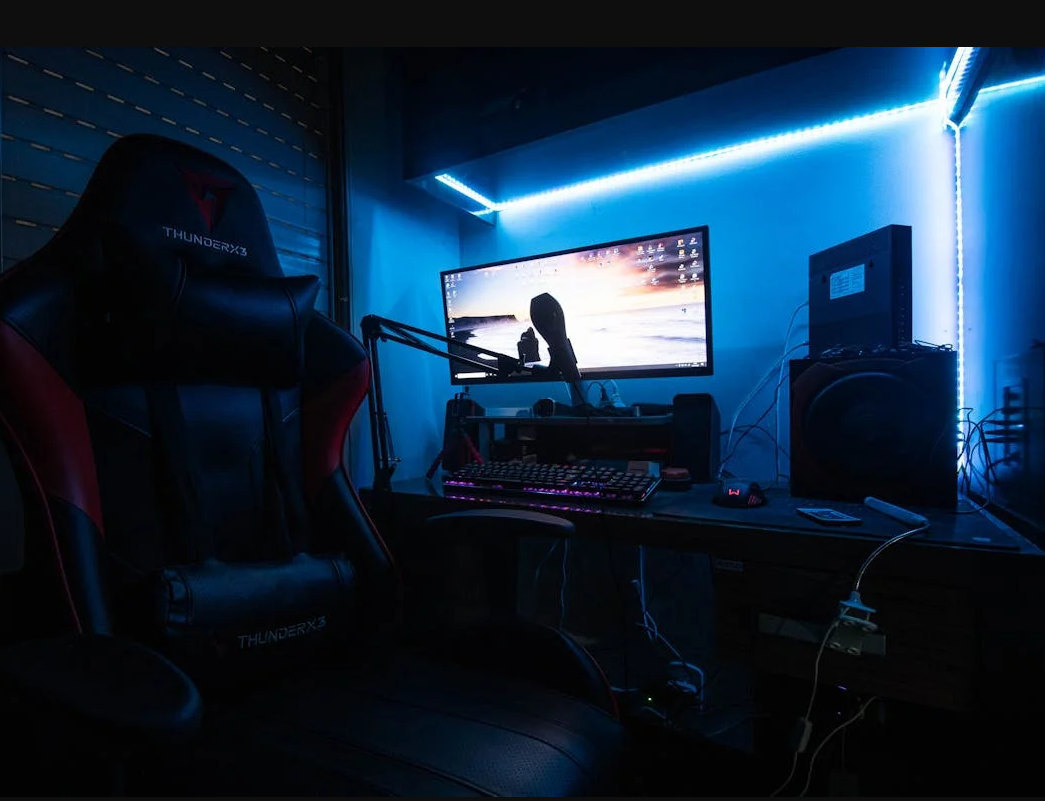
The world of gaming is constantly evolving, with new innovations and trends being unleashed all the time. Nowhere is the shifting landscape of gaming more evident than in the tech that powers our experiences. The latest advancements in gaming hardware are making an impact across the board, with innovations like unprecedented realism in gaming graphics and processing power pushing the boundaries of what’s possible with the medium
However, it’s not just about raw power—new technologies are reshaping the ways in which games are played, experienced and even understood. This shift is impacting all genres and verticals, from competitive eSports to recreational games.
Curious about how they’re transforming your favorite gaming genre? Read on to discover the key hardware innovations that are shaping the future of gaming.
Next-Gen Visual Immersion
GPUs (graphics processing units, aka graphics cards) are the components upon which most modern-day gaming experiences depend. The 21st century has brought some incredible development in visual clarity and fidelity, but recent innovations have taken things to a whole new level.
NVIDIA’s RTX 40-series and AMD’s Radeon series have made sci-fi concepts like ray tracing and AI-powered upscaling a reality in their standard features. Ray tracing, in particular, has become a buzzword in the gaming community and for good reason: it allows for the simulation of light behavior, resulting in much more realistic on-screen immersion.
Seeing Every Detail
Speaking of visual immersion, gaming monitors have also seen significant improvements, with high-resolution displays now being par for the course. 4K monitors, for example, offer stunning clarity and detail, making games look sharper and more vibrant. But resolution isn’t the only key factor—refresh rates and response times, which are equally important for a smooth gaming experience, have been significantly amped-up.
High refresh rates, such as 144Hz or 240Hz, are now the standard for even budget monitors. High refresh rates reduce motion blur and provide a smoother experience, making them critical for enjoying fast-paced competitive games. Response time is another important factor, with lower response times resulting in less input lag and more precise control. This is particularly crucial when playing eSports games like Valorant, where split-second decisions can make all the difference between winning the trophy or not.
This new era of monitors doesn’t just improve the experience of playing video games and competing in eSports events; it’s having a noticeable effect on the quality of gameplay enjoyed by gamers in more leisure-focused verticals too, like online poker. High-res monitors provide clearer visuals, allowing players to easily read cards and follow the action without strain. They even make it easier to learn how to play poker online, with the intricacies of hand rankings and suits being easier to follow on a screen with greater visual clarity.
The innovations don’t end there, though. Curved monitors are also gaining popularity, due to their ability to provide a more immersive experience by wrapping the screen around the player’s field of vision. As well as making players feel as though they are inside the gaming world, this creates a more natural viewing angle and reduces eye strain during mammoth play sessions.
New Digital Realities
Of course, we couldn’t discuss groundbreaking gaming technologies without mentioning VR and AR. In 2024, virtual and augmented reality are no longer niche sectors. With devices like the Meta Quest 3 bringing wireless VR to the masses, and the Apple Vision Pro offering high-fidelity experiences for enthusiasts, VR is becoming a more viable option for everyday gaming.

Virtual reality offers gamers the chance to step inside incredible digital experiences, as we’ve seen demonstrated in titles like Half-Life: Alyx. Meanwhile, following the phenomenal success of Pokémon GO last decade, AR has made significant strides in the gaming market, being a core tech in extended reality metaverse games.
Customisation and Adaptive Tech
No gaming setup is complete without peripherals. Controllers have played a fundamental role in home gaming since day one, and recent advancements are adding new levels of user experience.
The PS5’s DualSense controller, for example, features adaptive triggers and advanced haptic feedback, which adjust resistance based on in-game actions. Whether you’re feeling the tension of drawing a bowstring or the resistance of driving on rough terrain, these features provide a more tactile connection to the game.
