

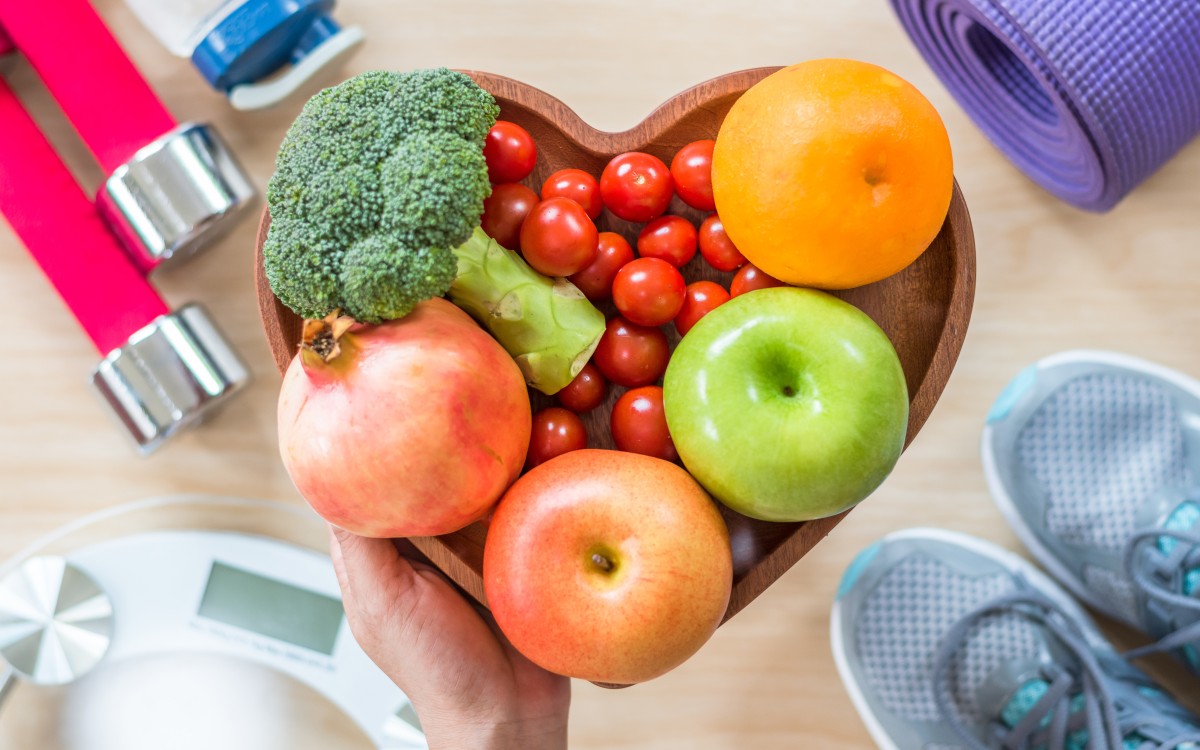
Nutrition is a key component of health and wellness, and its importance cannot be overstated. Dietitians and nutritionists work in this essential industry, playing their role in supporting people to make informed food decisions and work on public health issues. Therefore, if you dream of joining this well-paying profession, it is essential to choose the best course suited to your needs and career goals. Below, I would like to present you with the top courses in this field: explain what they are about, what makes that course unique, for whom it is, and how it helps your career.
Basics of Nutrition and Dietetics
To get started, it is essential to understand general terms and what dietetics and nutrition is. Nutrition and dietetics refer to the science of food and its interaction with different social and biological food aspects. These processes help dietitians and nutritionists to understand how the human body can achieve food metabolism through carbohydrates, protein, fats, and alcohol. Generally, the field helps students learn how food is mostly burnt to obtain energy, and the excess part is stored in the human body.
Why Choose a Career in Dietetics?
Choosing a career in dietetics means committing to improving people’s health and well-being through food and nutrition. This career path offers several compelling benefits:
- Impact on Health: Dietitians have a direct positive impact on individuals’ health outcomes and a broader influence on public health and policy.
- Growing Demand: With an increasing awareness of the importance of diet in health and disease prevention, the demand for dietetic professionals continues to grow globally.
- Diverse Opportunities: Professionals in this field can specialize in areas like sports nutrition, pediatric nutrition, research, and more, ensuring a varied and engaging career path.
- Personal Satisfaction: Helping others achieve a healthier lifestyle provides a profound sense of accomplishment and purpose.
Key Skills for Aspiring Dietitians
To succeed in nutrition and dietetics, certain skills are crucial:
- Scientific Acumen: A strong grasp of biology, chemistry, and physiology is essential to understand how nutrients affect the body.
- Communication: Effective communication skills are necessary to convey complex nutritional information in an understandable way.
- Analytical Abilities: Dietitians must assess health needs and develop appropriate nutrition plans.
- Empathy and Listening: Understanding clients’ needs and challenges is crucial for providing effective counsel and support.
Top Nutrition & Dietetics Courses
Here’s a look at some of the top courses for aspiring dietitians, each designed to cater to different career goals and interests.
Diploma in Nutrition and Dietetics
- Duration: 1-2 years
- Focus: These courses provide foundational knowledge in diet and nutrition, suitable for those looking to quickly start a career.
- Who Should Enroll: Individuals looking to enter the workforce soon or planning to get an introductory feel for the field before committing to longer-term studies.
Bachelor of Science in Nutrition and Dietetics
- Duration: Typically 3-4 years
- Focus: Offers comprehensive education in nutritional sciences, clinical nutrition, food safety, and community health.
- Who Should Enroll: Students seeking a thorough grounding in nutrition and dietetics, aiming for extensive career options and professional certification.
Master of Science in Dietetics
- Duration: 2 years
- Focus: Provides advanced knowledge and specializes in areas such as clinical dietetics, sports nutrition, or public health.
- Who Should Enroll: Professionals looking to advance their career, specialize in specific areas, or engage in research.
Doctoral Programs in Nutrition and Dietetics
- Duration: 3-5 years
- Focus: Focuses on research and advanced clinical practice, contributing new knowledge to the field.
- Who Should Enroll: Individuals interested in academic positions, high-level consultancy roles, or extensive research careers.
Certification and Licensure
Post-education, becoming a certified dietitian typically involves:
- Internship: Completing a supervised practice program, often included in the course.
- Examination: Passing a national or regional certification exam.
- Continuing Education: Maintaining certification through ongoing professional development.
Career Opportunities and Outlook
Dietitians can pursue diverse roles across various sectors:
- Clinical Dietitians: Work in hospitals or clinics focusing on diets for medical conditions.
- Sports Dietitians: Provide nutritional counseling to athletes and sports teams.
- Community Dietitians: Implement nutrition programs in public health settings.
- Research Dietitians: Conduct research on food, nutrition, and dietary habits.
As for the dietitians, the following areas are open: Clinical Dietitians, Sports Dietitians, Community Dietitians and Research Dietitians. The salary in India will range from ₹3, 75,000 to ₹5, 25,000, depending on specialization and experience.
Conclusion
Whether your goal is to work with patients on their nutrition, create community health programs, or facilitate research efforts, there is the right course for you. When you decide to invest your time in studying nutrition and dietetics, you not only invest in your career but also in the health and well-being of your future patients. B.Sc in Nutrition & Dietetics at the AAFT School of Health and Wellness is one of the most rewarding programs! The carefully developed course will provide you with all the knowledge and skills so you can successfully face the changes and challenges in the dietetics field. Make your passion for healthy living work for you; take your first step and enroll at the AAFT School of Health and Wellness and become a certified dietitian.
