

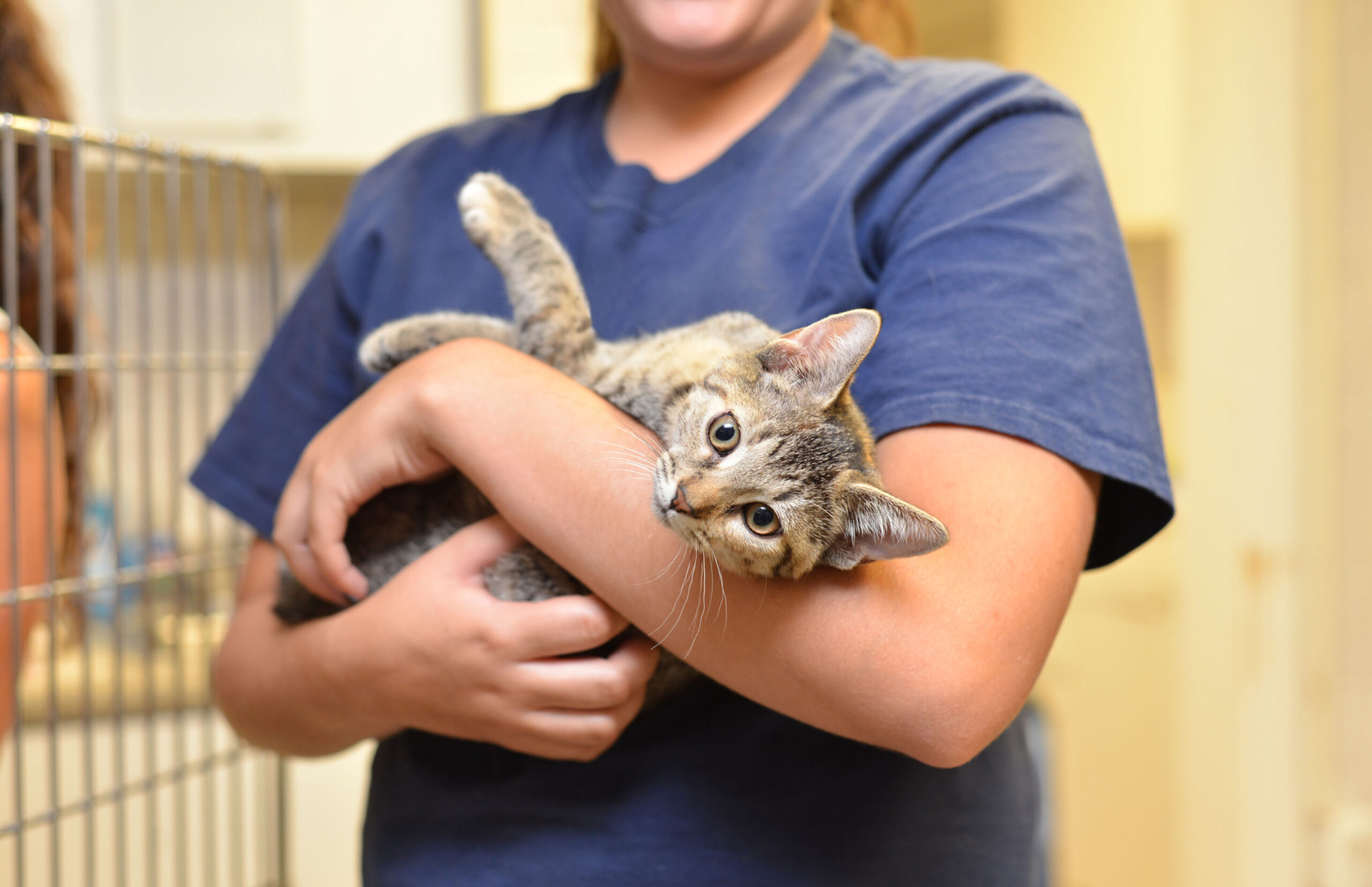
Most official state animals were designated decades ago — bison, grizzly bears, white-tailed deer. These are wildlife designations, chosen to represent the natural heritage of a region. But a quieter legislative movement has been running alongside that tradition for the past two decades, and it points in a different direction entirely. Several states have passed laws making rescue dogs, shelter cats, and mixed-breed animals their official state symbols — not to celebrate wildlife, but to make a public statement about adoption.
The full catalog of state animals across all 50 states shows how this newer category sits alongside the traditional wildlife designations. The contrast between a state that designates the grizzly bear and a state that designates the shelter mutt tells you something about how animal welfare advocacy has moved from the margins of public policy toward the center.
Colorado: The Shelter Dog as Official Symbol
Colorado is the most prominent example. In 2013, the state legislature designated the shelter dog as Colorado’s official state dog — not a specific breed, but any dog adopted from a shelter or rescue organization. The bill passed with broad bipartisan support and was signed by Governor John Hickenlooper.
The legislation was driven partly by animal welfare organizations and partly by a practical reality: Colorado’s animal shelters were, and continue to be, among the more crowded in the Mountain West. The designation was understood as a symbolic endorsement of adoption over purchasing from breeders or pet stores. It carried no legal weight, but it gave animal welfare advocates a platform and a legislative moment that received national media coverage.
Colorado’s choice to designate a category rather than a breed was deliberate. The shelter dog is by definition a mixed-breed animal without a fixed appearance — it’s defined by its circumstance rather than its genetics. That was the point. The symbol isn’t about what the dog looks like. It’s about where it came from and the act of taking it home.
Maryland: The Calico Cat
Maryland took a similar approach with cats. In 2001, the state designated the calico cat as its official state cat — a choice that sounds decorative until you understand the context. Calico cats are almost exclusively female due to the genetics of coat color, and the orange, black, and white coloring matches the state colors of Maryland. Those facts were part of the formal legislative record.
But the animal welfare dimension was present from the beginning. Calico cats and domestic cats generally represent the largest population of animals in American shelters. By the time Maryland passed its designation, cats had surpassed dogs as the most euthanized shelter animal in the United States. Designating the calico was a way of giving symbolic visibility to an animal that was abundant in shelters and underadopted relative to dogs.
Several other states followed with cat designations over the following years, most of them tied to shelter populations or breed-specific rescue advocacy.
The Legislative Pattern
The shelter animal designation movement follows a recognizable pattern. A local animal welfare organization, humane society, or school group initiates a campaign. The campaign collects signatures, contacts a sympathetic legislator, and drafts a bill. The bill often passes with little opposition because it has no regulatory teeth — it doesn’t require funding, mandate behavior, or impose penalties. It’s a statement.
That low barrier to passage is both the strength and the limitation of these designations. They generate media coverage, they give advocates a legislative win, and they provide a recurring annual opportunity for shelters to promote adoption around the anniversary of the designation. But they don’t reduce euthanasia rates on their own, and shelter populations in most states have not declined significantly as a result of symbolic legislation alone.
What they do accomplish is normalization. When a state legislature votes to designate the shelter dog as an official symbol, it places the act of adoption inside the same category as the state bird and the state flower. It treats rescue as something worth commemorating at the level of official identity, not just charitable practice.
States With Formal Animal Welfare Designations
Beyond Colorado and Maryland, several states have passed legislation that touches on shelter animals and rescue advocacy in the context of official symbols.
Georgia designated the adoptable dog and adoptable cat as state symbols in 2008, making it one of the earliest states to use the word “adoptable” in formal legislative language around animals. The Georgia bill was championed by the state’s network of humane societies and passed following a multi-year campaign.
Virginia has pursued similar legislation multiple times, with the mixed-breed dog appearing in several proposed bills. Virginia’s shelter system handles one of the highest intake volumes on the East Coast, which gave the advocacy campaign a concrete statistical backdrop.
Texas, despite its size and the scale of its shelter population, has not passed a shelter animal designation. Several Texas cities — Austin in particular — have achieved no-kill status through municipal policy rather than symbolic legislation, which represents a different strategic approach to the same problem.
California has focused its legislative energy on retail pet sale bans rather than symbolic designations. A 2019 state law prohibits pet stores from selling dogs, cats, or rabbits from commercial breeders — a structural intervention that shelter advocates generally consider more effective than symbolic recognition.
The No-Kill Movement and Symbol Politics
The shelter animal designation movement exists alongside, and sometimes in tension with, the no-kill movement in animal welfare. No-kill advocates — organizations working toward a 90 percent or higher live release rate in shelters — tend to focus on operational changes: foster networks, transport programs, behavior rehabilitation, targeted adoption events. Symbolic legislation is not their primary tool.
But the two approaches share a common premise: that the cultural status of shelter animals matters. If the dominant public perception is that shelter animals are damaged, difficult, or second-best, adoption rates will reflect that perception regardless of what operational improvements shelters make. Designating the shelter dog as a state symbol is an attempt to intervene in that perception at the level of official civic identity.
Whether it works in measurable terms is difficult to assess. Adoption rates are influenced by dozens of variables, and no study has cleanly isolated the effect of symbolic legislation. What advocates point to instead is the media cycle each designation generates — news coverage, social media attention, shelter open house events — which functions as a short-term adoption marketing campaign attached to a permanent legislative record.
What the Trend Signals
The movement to designate shelter and rescue animals as official state symbols is now old enough to have a track record. It began in the late 1990s and accelerated through the 2000s and 2010s. The states that have passed these designations are geographically and politically diverse — Colorado, Maryland, Georgia are not a natural legislative cluster on most issues.
What they share is a moment when animal welfare advocates had sufficient organizational capacity to move a bill, and a legislature willing to pass something with symbolic weight and no fiscal cost. That combination is replicable, and animal welfare organizations in states without a shelter animal designation have used the existing examples as templates.
The broader significance is that official state symbols, which most people associate with wildlife and natural heritage, have become a vehicle for contemporary social advocacy. The shelter dog sitting alongside the bison and the meadowlark in a state’s official record is a small thing in legal terms. In terms of what it says about how a state wants to define itself, it’s worth paying attention to.
