

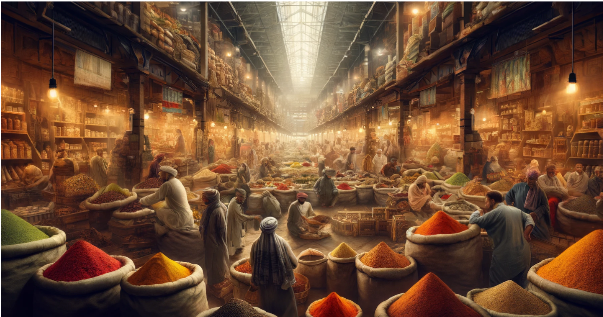
Imagine walking through a bustling market; the air is thick with the enticing aromas of cumin, pepper, and cinnamon. This sensory journey isn’t just for the taste buds—it’s a dive into the vibrant world of the wholesale spice trade, a sector that’s as old as civilization but thrives with modern complexity. From India’s sun-drenched fields to Guatemala’s lush landscapes, let’s explore how these essential culinary components make their way to your kitchen cabinet.
The Origins of Spices
The spice trade begins at the source—farms where growers dedicate their lives to cultivating high-quality spices. Countries like India, Indonesia, and Vietnam are among the top producers, each offering unique spices integral to their cultural cuisines. For instance, India leads in producing turmeric and black pepper, while Indonesia is famous for nutmeg and cloves. The journey of these spices starts with careful planting and nurturing, ensuring each harvest is more prosperous than the last.
Harvesting and Processing
Once the spices are ready to be harvested, the next crucial step is processing. This stage is vital for maintaining the spices’ potent flavors and colors. Processing methods vary widely, from sun-drying to more complex procedures like steam sterilization, which ensures the spices are safe for consumption without losing their intense flavors. After processing, spices are graded based on quality and size, critical factors influencing their price on the global market.
From Local Farms to Global Markets
After processing, spices are sent across continents. This is where wholesalers play a pivotal role. They ensure that these flavorsome ingredients reach different parts of the world, maintaining quality during transit. Wholesalers also navigate complex regulations and customs, ensuring that each batch meets the destination country’s standards, whether heading to a high-end restaurant in New York or a supermarket shelf in London.
1. Securing and Packaging for Export
After being harvested and processed, the next step for spices is packaging, which is crucial for maintaining quality during their long journey. Proper packaging prevents moisture, preserves freshness, and protects against contamination. This can include vacuum-sealed bags for powders or sturdy containers for whole spices. Adequate packaging ensures spices retain their aromatic potency from the farm to the international buyer.
2. Logistics and Export Strategies
The journey from local markets to global consumers involves sophisticated logistics. Wholesalers must decide on the best routes and modes of transportation, considering cost, time, and product safety. Air freight might be used for quick delivery of high-value spices. At the same time, sea transport is preferred for more extensive, less perishable shipments. Navigating customs and export regulations efficiently ensures that spices reach their destination markets without delays.
As we conclude our aromatic adventure through the spice trade, it’s clear that each pinch of spice in your kitchen has traveled a long and fascinating path. This complex journey is made smoother by specialty food distributors who expertly manage the logistics from farm to table. If you want to enhance your culinary creations with the freshest and most flavorful spices, consider contacting specialty food distributors near me. They are your gateway to accessing a world of premium spices, ensuring your dishes are delicious and infused with the rich stories of their origins.
