

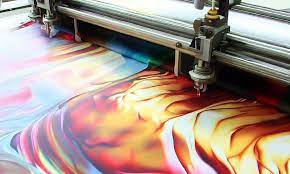
Introduction to Sustainable Textile Printing
In today’s fashion industry, sustainability has become not just a trend but a necessity. With the textile printing sector known for its significant environmental impact, there is a growing movement towards adopting eco-friendly practices. These innovative techniques aim to reduce waste and conserve resources without compromising on quality and vibrancy.
The Rise of Direct-to-Film Printing
Direct-to-film (DTF) printing stands out as a forward-thinking solution within the array of sustainable printing methods. This process involves printing designs onto a special film which is then heat-transferred onto the fabric. The technology utilizes water-based inks which are less harmful than traditional solvent-based inks, thereby reducing the environmental impact. This method is particularly efficient in minimizing ink waste and eliminating the need for water-intensive post-printing washes. One notable example of this technology in action is the Prestige DTF printer, which exemplifies how advanced engineering can meet ecological standards, offering an efficient and environmentally friendly solution for textile printers seeking sustainable options.
The Advantages of Digital Textile Printing
Digital printing, encompassing direct-to-garment (DTG) and direct-to-fabric (DTF) technologies, focuses on precision. By accurately applying dyes and inks directly to specific areas, it significantly reduces the amount of waste produced. This not only saves ink but also decreases the volume of contaminated runoff, making the process more environmentally friendly.
Innovations in Eco-Friendly Ink Technologies
Recent strides in ink technology include the development of biomimicry inks, which are inspired by natural processes and materials. Inks derived from sources like algae or recycled fruit waste not only support the recycling of waste but also lessen the dependency on harmful synthetic chemicals. These innovations are pushing the boundaries of what’s possible in sustainable textile printing.
Utilizing Natural Dyes for Sustainability
Transitioning from chemical dyes to natural ones sourced from plants and minerals is another step towards greener textile printing. Although natural dyes may offer a limited color spectrum and pose challenges in colorfastness, research is continuously improving their application and durability, making them more attractive for sustainable manufacturing.
Recycling Materials in Textile Production
In addition to innovative dye practices, the use of recycled materials is gaining momentum. Fabrics made from recycled polyester and regenerated nylon not only require fewer resources to produce but also pair well with sustainable printing practices to further reduce the overall environmental footprint.
Reducing Energy Consumption in Printing Processes
Sustainable textile printing also involves optimizing energy use. Many printing facilities are now utilizing renewable energy sources, such as solar or wind power, to decrease their carbon emissions. This shift not only helps in conserving energy but also aligns with the broader global objectives of reducing reliance on fossil fuels.
Consumer Influence on Eco-Friendly Practices
Consumer awareness and demand play a crucial role in the adoption of sustainable practices in the textile industry. Modern consumers prefer brands that are transparent about their production methods and are proactive in reducing environmental impact. This consumer preference drives more brands to consider sustainability as a core component of their production and branding strategies.
Economic and Social Benefits of Sustainable Printing
Adopting sustainable practices in textile printing is not solely about environmental benefits; it also offers economic and social advantages. Companies that invest in eco-friendly technologies can achieve long-term cost savings, reduce regulatory risks, and enhance their reputation among consumers who value sustainability.
Conclusion
As the textile industry continues to evolve, embracing sustainable printing techniques is essential for preserving the environment while catering to the fashion world’s dynamic needs. Methods like direct-to-film printing exemplify how the industry can adapt to be both innovative and environmentally conscious. With ongoing advancements and a growing awareness of sustainability, the future of textile printing promises to be not just vibrant and colorful but also increasingly green.
