

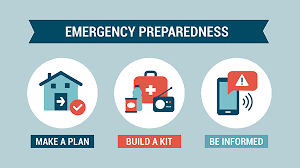
Emergencies and disasters are unpredictable, and their impact can be overwhelming. Whether it’s a natural disaster, power outage, or unexpected event, having a disaster plan for your family is not just smart—it’s essential. However, too many families don’t have the right measures in place and it’s putting them at risk. Let’s discover six compelling reasons to get your emergency preparedness in place, with tips to help you create a plan that works for everyone.
Put All Your Supplies in One Place
When an emergency strikes, every second counts. The last thing you want is to be scrambling for supplies in the middle of a chaotic situation. Organizing what you need in an emergency ensures that everything is easily accessible when you need it most.
Think about the essentials: water, non-perishable food, first aid supplies, flashlights, and batteries. Storing them in a designated, easily reachable location can make all the difference. By having your emergency supplies in one place, you’re setting your family up for success in managing whatever challenges come your way.
Include Luxury Goods in Your Disaster Kit
While survival basics are non-negotiable, there’s value in including a few items that bring comfort or have bartering potential during a crisis. Picture this: a stressful day dealing with an emergency, and you’re able to enjoy a hot cup of freeze dried coffee. It’s a small luxury, but one that can provide a sense of normalcy and even boost your morale.
Beyond enjoyment, luxury items like coffee or chocolate can become valuable for trading with neighbors or others in need. They can also be a way for you to offer help and a little joy when times might seem bleak. In uncertain times, small comforts and trade goods can have a surprisingly big impact, reminding us that preparation isn’t just about surviving—it’s about thriving when things get tough.
Communication Plan to Keep Your Family Safe
In any disaster, communication is key. Families can quickly become separated, and without a plan, staying connected can be nearly impossible. Creating a communication strategy that includes emergency contacts, meeting points, and alternative ways to stay in touch ensures your family knows what to do if you’re apart.
Consider situations where cell towers might be down or the internet is inaccessible. Having a list of phone numbers written down, a plan for where to meet, and backup methods like two-way radios can give you peace of mind. Communication planning keeps everyone on the same page and minimizes panic during an emergency.
Practice Your Plan
A disaster plan is only as good as your family’s ability to execute it under pressure. That’s why practicing your plan is just as important as creating it. Running drills helps everyone understand their roles, locate supplies, and navigate the steps needed to stay safe.
From practicing evacuations to testing communication methods, drills allow you to identify gaps in your plan and fix them before an actual emergency. Regular practice builds confidence, especially for kids, ensuring that everyone knows what to do without hesitation. Think of it as a family fire drill—but for all kinds of emergencies.
The Role of Financial Preparedness
Disasters often come with unexpected financial challenges, from repairing property damage to replacing lost belongings. Having a financial plan in place ensures you can handle these costs without unnecessary stress. Start by creating an emergency fund specifically for unforeseen events.
Include a grab-and-go binder with copies of important documents like insurance policies, identification, and medical records. This allows you to access essential information quickly, even if you have to evacuate. Financial preparedness isn’t just about having money saved—it’s about having the resources you need to recover quickly and efficiently.
Mental Preparedness is Just as Important
While physical preparation is crucial, mental preparedness often gets overlooked. Emergencies are stressful, and staying calm and focused can make all the difference. Teaching your family techniques for managing stress, such as breathing exercises or mindfulness, equips them to handle high-pressure situations with clarity.
Having conversations about the potential for disasters can also reduce fear and anxiety. When everyone knows the plan and feels confident in their roles, the emotional impact of an emergency is lessened. Mental resilience ensures your family can navigate tough times with strength and adaptability.
