

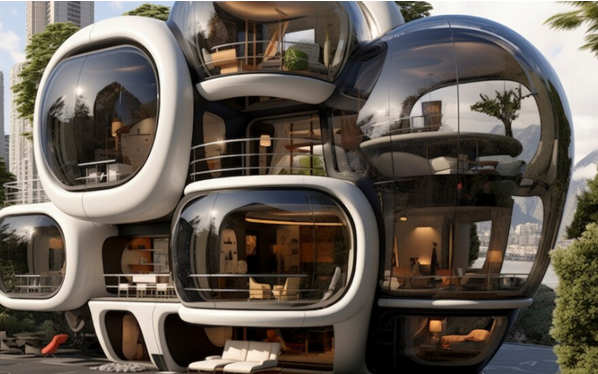
In the ever-evolving landscape of architecture and interior design, emerging trends continuously redefine the way individuals envision their living spaces. The homes of tomorrow are being shaped by a fusion of technology, sustainability, and changing social dynamics. As lifestyles adapt to new realities, designers are responding with innovative solutions that cater to modern needs while enhancing the overall aesthetic and functionality of living spaces.
Sustainable Living
One of the most significant trends influencing the design of future homes is the increasing emphasis on sustainability. With a growing awareness of environmental issues, homeowners and architects are prioritizing eco-friendly materials and energy-efficient technologies. Sustainable living encompasses various aspects, from the selection of materials to the overall energy consumption of a home.
Incorporating renewable energy sources, such as solar panels and wind turbines, is becoming commonplace. The design of homes is now often centered around minimizing energy use, with features such as passive solar design, natural ventilation, and high-performance insulation. These elements not only reduce the carbon footprint but also lead to substantial savings on energy bills, making sustainability a financially appealing choice.
The use of reclaimed materials is another hallmark of sustainable design. Designers are increasingly sourcing wood, brick, and other materials from demolished buildings or repurposing items to create unique, character-filled spaces. This approach not only supports local economies but also reduces waste, contributing to a more sustainable construction process. Furthermore, biophilic design principles are being embraced, integrating nature into architectural spaces through green roofs, living walls, and expansive windows that allow for ample natural light and views of the outdoors.
Smart Home Technology
Advancements in technology have paved the way for the rise of smart homes. The integration of smart technology into residential design is revolutionizing how individuals interact with their living environments. From automated lighting and temperature control to advanced security systems, smart home technology enhances convenience, security, and energy efficiency.
Homeowners can now control various aspects of their homes through smartphones or voice-activated devices, allowing for a seamless living experience. The incorporation of the Internet of Things (IoT) facilitates communication between devices, enabling them to work together to create a cohesive living environment. For instance, smart thermostats can learn a homeowner’s preferences over time, adjusting the temperature accordingly to enhance comfort while minimizing energy usage.
Moreover, smart home technology extends to entertainment systems, with integrated sound systems and streaming capabilities seamlessly embedded into living spaces. Home theaters and gaming areas are being designed with state-of-the-art audio-visual systems that provide an immersive experience, catering to the evolving entertainment needs of homeowners.
Open Concept and Multi-Functional Spaces
The traditional concept of compartmentalized living spaces is rapidly being replaced by open concept designs. This shift reflects a change in lifestyle preferences, as families seek to create spaces that foster interaction and connection. Open floor plans facilitate a sense of spaciousness and allow natural light to flow throughout the home, creating an inviting atmosphere.
However, the trend towards open concepts is not just about aesthetics; it also addresses the need for flexibility in modern living. As remote work becomes more prevalent, individuals are seeking multi-functional spaces that can serve various purposes. Design elements that support this trend include movable partitions, foldable furniture, and adaptable layouts that can transform a living room into a home office or a guest room with ease.
Floor plan creators have emerged as valuable tools in this context. These digital platforms allow homeowners and designers to visualize and experiment with different layouts, ensuring that the spaces they create align with their lifestyle needs. By facilitating collaboration and exploration of design possibilities, floor plan creators enable a more thoughtful approach to home design, allowing for the seamless integration of multi-functional areas.
Wellness-Centric Design
The focus on wellness in home design is gaining momentum as individuals increasingly recognize the importance of mental and physical health in their living environments. The design of future homes is incorporating elements that promote well-being, such as access to natural light, fresh air, and the use of non-toxic materials.
Biophilic design principles are at the forefront of this trend, with designers incorporating natural elements into the built environment. This may include the use of natural materials, plants, and water features that create a calming atmosphere. Spaces designed for relaxation, such as meditation rooms or wellness gardens, are becoming more common, providing residents with opportunities for rejuvenation and mindfulness.
In addition to biophilic elements, wellness-centric design also emphasizes acoustics and air quality. Homes are increasingly being designed with soundproofing materials to create serene environments, shielding occupants from external noise. Enhanced air filtration systems and the use of low-VOC (volatile organic compound) materials contribute to healthier indoor air quality, fostering a sense of well-being for residents.
Community-Oriented Design
As urbanization continues to reshape living patterns, community-oriented design is gaining traction. The concept of designing homes with a focus on fostering community interaction and collaboration is becoming increasingly relevant. This approach emphasizes the importance of shared spaces and amenities that encourage social engagement among residents.
Designers are integrating communal areas such as rooftop gardens, co-working spaces, and recreational facilities into residential developments. These spaces not only provide opportunities for residents to connect but also enhance the overall sense of belonging within a community. By promoting social interaction, community-oriented design aims to combat the isolation often experienced in urban living.
In addition, the use of mixed-use developments is on the rise, where residential units are combined with commercial spaces. This creates vibrant neighborhoods that offer residents easy access to shops, cafes, and services, promoting a more walkable lifestyle. The design of homes in these environments often reflects the surrounding community, with architectural styles and materials that resonate with the local culture.
Flexibility and Adaptability
The unpredictability of modern life has led to a growing demand for homes that can adapt to changing needs. Flexibility in design allows homeowners to modify their spaces as their circumstances evolve, whether due to family growth, changes in work patterns, or lifestyle shifts.
Designers are increasingly incorporating features that promote adaptability, such as movable walls and modular furniture. These elements allow for quick reconfigurations of living spaces, accommodating various activities and needs. For instance, a home office can be transformed into a guest room by reconfiguring the layout and utilizing multifunctional furniture.
Additionally, the rise of multi-generational living is influencing the design of homes to include separate suites or in-law apartments. These spaces provide privacy while allowing families to live together, promoting intergenerational support and connection. The design of such homes reflects a broader cultural shift toward valuing family relationships and community support systems.
Cultural and Local Influences
The globalization of design has brought diverse influences into the homes of tomorrow. However, there is a growing appreciation for local culture and craftsmanship, leading to designs that reflect the unique heritage of a region. This trend emphasizes the importance of authenticity and storytelling in architectural design.
Designers are increasingly sourcing local materials and collaborating with artisans to create spaces that celebrate the identity of a place. Incorporating elements such as traditional craftsmanship, regional styles, and cultural motifs adds depth and character to a home. This approach not only supports local economies but also fosters a sense of pride and connection to the community.
The integration of cultural influences extends to landscaping and outdoor spaces as well. Designers are creating gardens and outdoor areas that reflect local flora and fauna, providing a harmonious connection between the built environment and nature. This design philosophy enhances the overall experience of a home, fostering a deeper connection to the surrounding environment.
Conclusion
As the world continues to change, so too does the way individuals conceptualize their living spaces. The homes of tomorrow will undoubtedly reflect a blend of sustainability, technology, wellness, community, and cultural influences. Designers are at the forefront of this evolution, employing innovative strategies to create spaces that cater to the diverse needs of modern life.
Incorporating elements such as open concepts, adaptable designs, and biophilic principles ensures that homes not only serve as shelters but also as havens for well-being and connection. As homeowners embrace these trends, they contribute to a larger narrative of conscious living and environmental stewardship. Ultimately, the homes of tomorrow will embody a thoughtful integration of form, function, and purpose, paving the way for a more harmonious relationship between individuals, their environments, and their communities.
