

When it comes to laying our loved ones to rest, there are numerous decisions to be made, including the type of burial container to use. Coffins and caskets are two common options, each with its own characteristics, aesthetics, and, notably, costs. Making informed choices regarding these containers involves understanding the differences between them and considering various factors, including personal preferences and financial considerations.
Understanding Coffins And Caskets
Before delving into the cost considerations, it’s essential to grasp the distinctions between coffin and casket. While the terms are often used interchangeably, they refer to different types of burial containers, primarily differing in their design and construction.
Coffins:
Coffins have a traditional, tapered hexagonal shape, wider at the shoulders and narrower at the head and foot. They are often constructed with simpler materials such as wood and come with hinged lids. Historically, coffins have been the more common choice for burials, offering a classic and timeless appeal.
Caskets:
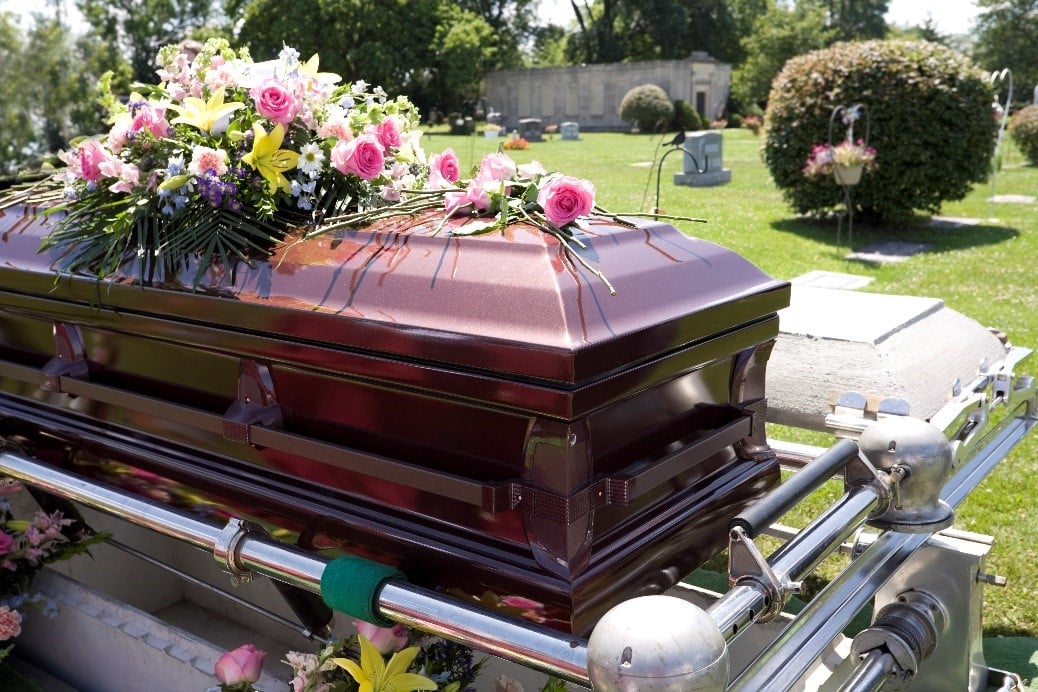
Caskets, on the other hand, feature a rectangular shape with a more uniform width throughout. They typically have a split-lid design, allowing for viewing the deceased from the waist up during visitations and funeral services. Caskets offer more design flexibility and are available in various materials, including wood, metal, and even eco-friendly options.
Cost Considerations
When it comes to cost, several factors influence the price of coffins and caskets. Understanding these factors can help individuals and families make informed decisions while balancing their preferences with their budgetary constraints.
Material:
The material used in the construction of the coffin or casket significantly impacts its cost. Generally, coffins made from basic materials such as pine or particleboard tend to be more affordable compared to those crafted from hardwoods like oak, mahogany, or cherry. Similarly, caskets made from metal, such as steel or copper, are typically more expensive than their wooden counterparts due to the cost of materials and craftsmanship involved.
Design And Detailing:
The design complexity and level of detailing also contribute to the overall cost. Intricately carved coffins or caskets with ornate embellishments will command a higher price tag than simpler, more understated designs. Additionally, special features such as decorative handles, personalized engravings, or custom interiors can further elevate the cost.
Customization:
Many funeral homes and suppliers offer customization options for both coffins and caskets, allowing families to tailor the burial container to reflect the personality and preferences of the deceased. While customization adds a personal touch to the final farewell, it often comes at an additional cost. Families should weigh the significance of customization against their budgetary considerations.
Brand And Supplier:
Just like any other product, the reputation of the brand and the supplier can influence pricing. Established brands known for their quality craftsmanship and attention to detail may charge premium prices for their coffins and caskets. Similarly, funeral homes may mark up the cost of burial containers as part of their service offerings. Shopping around and comparing prices from different suppliers can help individuals find the best value without compromising on quality.
Additional Expenses:
It’s essential to consider additional expenses associated with the purchase of a coffin or casket. These may include delivery charges, fees for customization or personalization, and any applicable taxes. Families should inquire about all potential costs upfront to avoid unexpected financial burdens later on.
Making Informed Choices
When people and families have to choose between a coffin and a casket and figure out how much each one costs, there are a few things they can do to make sure they make choices that are in line with their preferences and budget.
Research And Compare:
Take the time to research different types of coffins and caskets, including materials, designs, and pricing. Request quotes from multiple suppliers and compare the offerings to identify the best value for your budget. Don’t hesitate to ask questions about materials, construction methods, and any additional services included in the price.
Consider Alternatives:
In addition to traditional coffins and caskets, explore alternative options that may be more affordable or environmentally friendly. Cardboard coffins, woven caskets, and biodegradable materials are increasingly popular choices that offer a more sustainable approach to burial while potentially reducing costs.
Prioritize Needs Vs. Wants:
Identify your priorities when selecting a coffin or casket. Separate essential features and characteristics from optional extras and prioritize them based on their importance to you and your loved ones. By focusing on your needs rather than wants, you can make more cost-effective decisions without sacrificing quality or significance.
Plan Ahead:
Consider pre-planning your funeral arrangements, including the selection of a burial container. Pre-planning allows you to explore options at your own pace and lock in current prices, potentially saving money in the long run. It also frees up your loved ones from having to make tough choices during a very hard time for them.
Seek Assistance:
If you’re uncertain about which coffin or casket to choose or how to manage the associated costs, don’t hesitate to seek assistance from a funeral director or trusted advisor. These professionals can provide guidance, answer questions, and help you navigate the decision-making process with compassion and understanding.
Conclusion
Selecting a coffin or casket for a loved one’s final resting place is a deeply personal decision that involves balancing emotional considerations with practical concerns, including cost. By understanding the differences between coffins and caskets, as well as the factors that influence their prices, individuals and families can make informed choices that honor their loved ones’ memory while respecting their budgetary constraints. Whether opting for a simple pine coffin or an elaborate metal casket, the most important aspect is that the chosen burial container serves as a dignified and meaningful tribute to the life that was lived.
