

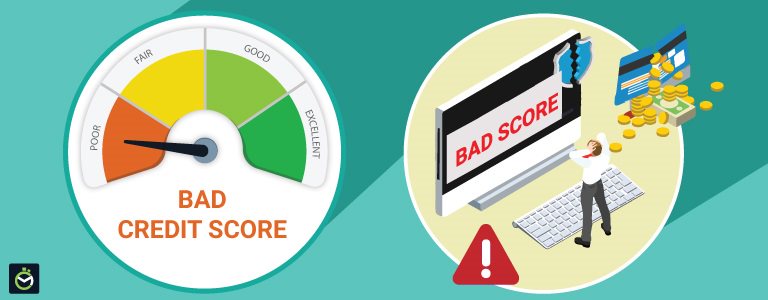
We’ve all heard the phrase “credit score” thrown around, but how much do we really know about its impact on our lives? It turns out that a low credit score can make life more complicated in ways you might not expect. It’s not just about getting approved for a credit card or a loan; a low score can affect everything from the interest rates you pay to your ability to retire comfortably. The good news is that improving your credit score isn’t about luck—it’s about understanding how it affects you and taking steps to make it better.
If you’re finding it hard to manage your finances due to a low credit score, exploring options like personal loans online could be a stepping stone. These loans can offer you a chance to consolidate high-interest debt and start building a positive credit history.
Higher Interest Rates and Loan Denials
One of the most immediate consequences of a low credit score is higher interest rates on loans and credit cards. Lenders see a low score as a red flag, indicating that you might be a riskier borrower. To compensate for that risk, they charge higher interest rates. This means if you do get approved for a loan or credit card, you’ll end up paying much more in interest over time.
For example, let’s say you’re buying a car and need a loan. With a high credit score, you might qualify for a low-interest rate, which can save you hundreds or even thousands of dollars over the life of the loan. But with a low credit score, the higher interest rate means more money out of your pocket each month, making the car significantly more expensive in the long run.
In some cases, a low credit score can lead to outright loan denials. This can be particularly challenging if you’re looking to make a big purchase, like a home, or if you need funds for an emergency. This is where considering options like personal loans online might come in handy, as some lenders offer loans tailored to those with less-than-perfect credit.
Impact on Housing Opportunities
Your credit score doesn’t just affect your ability to get a loan; it can also impact your housing options. Landlords often check credit scores as part of the rental application process. They use it to gauge how reliable you might be in paying rent on time. A low credit score can make it more difficult to get approved for an apartment, or it might mean paying a larger security deposit upfront.
If you’re looking to buy a home, a low credit score can make securing a mortgage challenging. Even if you do get approved, you’ll likely face higher interest rates, which means higher monthly payments and more interest paid over the life of the loan. This could delay your dream of homeownership or make it harder to find a place that fits within your budget.
Effect on Insurance Premiums
Here’s a consequence that often surprises people: your credit score can influence your insurance premiums. Many insurance companies use credit-based insurance scores to help determine your rates for auto and home insurance. They believe that individuals with lower credit scores are more likely to file claims, so they charge higher premiums to offset this perceived risk.
This means that a low credit score can cost you more money each month, even if you’re a safe driver or have a well-maintained home. It’s an extra expense that can add up over time, making it even more challenging to manage your finances and work toward your financial goals.
Limited Access to Financial Products
A low credit score can limit your access to various financial products, not just loans. For example, you might find it harder to get approved for a credit card, or you may only qualify for cards with high fees and low credit limits. This can make it difficult to build credit or manage your expenses effectively.
Additionally, you might miss out on other financial products that could benefit you, like low-interest personal loans or high-reward credit cards. This lack of access can create a cycle that’s hard to break: you need good credit to access better financial products, but you need those products to help improve your credit.
Impact on Employment Opportunities
While it might not seem fair, your credit score can also affect your job prospects. Some employers, especially those in financial industries, may check your credit report as part of the hiring process. They might see a low credit score as a sign of financial irresponsibility, which could raise concerns about how you’ll handle job responsibilities, especially if the role involves managing money.
While employers don’t see your actual credit score, they do see your credit report, which shows your history with debt and payments. If you’re applying for a job that requires a security clearance or involves handling sensitive financial information, a poor credit history could potentially hurt your chances of getting hired.
Delays in Retirement
A low credit score can even impact your long-term financial goals, like retirement. Higher interest rates and additional fees mean more money spent servicing debt rather than saving or investing for the future. This can delay your ability to build up a solid retirement fund, potentially forcing you to work longer than you’d planned.
In addition, poor credit can limit your options for investments. For example, if you’re looking to invest in real estate as part of your retirement plan, a low credit score could make it more difficult to secure financing for an investment property. It’s a ripple effect that can have long-lasting consequences on your financial security.
Conclusion
A low credit score can make life more challenging in ways that go beyond just getting approved for a loan. It can lead to higher interest rates, limited access to financial products, increased insurance premiums, and even affect your job opportunities and retirement plans. Understanding these consequences is the first step toward making positive changes.
The good news is that your credit score isn’t set in stone. With some effort and strategic financial moves—like consolidating debt through personal loans online, making payments on time, and reducing your credit card balances—you can improve your credit over time. By taking proactive steps to boost your score, you can open up more opportunities and set yourself up for a more secure financial future.
