

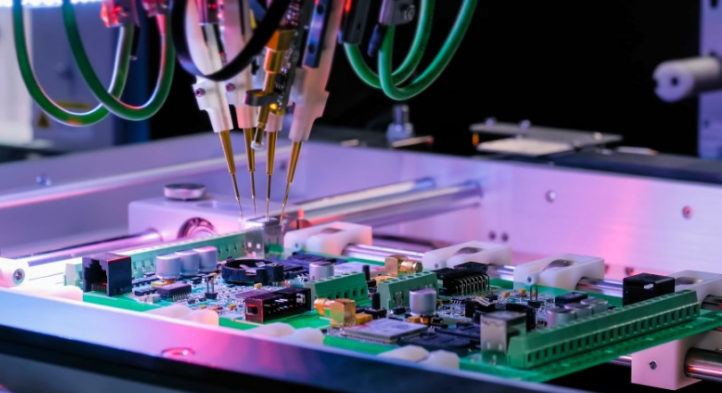
As electronic devices become increasingly intricate and indispensable in our daily lives, the importance of rigorous testing procedures for Printed Circuit Boards (PCB) cannot be overstated. Ensuring the functionality, reliability, and longevity of assembled PCB is crucial for the performance of end products. In this article, we delve into the essential elements of PCB testing and explore the comprehensive protocols that manufacturers should implement.
· Visual Inspection:
The initial step in PCB testing involves a thorough visual inspection of the assembled board. Technicians examine the board for any visible defects such as solder bridges, missing components, misalignments, or physical damage. This manual inspection is vital for detecting issues that may have occurred during the assembly process.
· Automated Optical Inspection (AOI):
Automated Optical Inspection utilizes high-resolution cameras and advanced software algorithms to inspect PCB for defects rapidly. AOI systems can detect issues such as solder joint quality, component placement accuracy, and polarity errors with precision and efficiency. Integrating AOI into the testing process enhances accuracy and minimizes the risk of human error.
· In-Circuit Testing (ICT):
In-Circuit Testing involves the examination of individual components and circuit connections while the PCB is powered on. Specialized test fixtures and probes are used to measure parameters such as resistance, capacitance, and voltage at various points on the board. ICT is effective in identifying faults related to component values, short circuits, open circuits, and incorrect polarity.
· Functional Testing:
Functional Testing evaluates the overall performance of the assembled PCB by subjecting it to simulated operational conditions. This testing phase involves applying input signals and monitoring output responses to verify that the board functions as intended. Functional tests assess features such as signal integrity, power consumption, communication protocols, and compatibility with peripheral devices.
· Burn-In Testing:
Burn-In Testing, also known as reliability testing, involves subjecting the PCB to prolonged operation under elevated temperatures and stress conditions. This accelerated aging process helps identify latent defects and potential reliability issues that may arise during the product’s lifespan. Burn-In Testing is particularly critical for applications requiring high reliability and long-term durability.
· Environmental Testing:
Environmental Testing evaluates the PCB’s performance under various environmental conditions, including temperature extremes, humidity, vibration, and mechanical shock. Environmental chambers simulate real-world operating environments to assess the board’s resilience and stability. This testing ensures that the PCB can withstand challenging environmental conditions without compromising functionality or reliability.
· Electromagnetic Compatibility (EMC) Testing:
EMC Testing assesses the PCB’s susceptibility to electromagnetic interference (EMI) and its ability to emit electromagnetic radiation within permissible limits. Compliance with EMC standards is essential for ensuring that the assembled PCB does not interfere with other electronic devices and remains immune to external electromagnetic disturbances. EMC Testing mitigates the risk of signal interference and electromagnetic compatibility issues.
· Quality Assurance Documentation:
Throughout the testing process, meticulous documentation of test results, observations, and corrective actions is essential. Quality Assurance Documentation provides a comprehensive record of the PCB testing procedures, outcomes, and any deviations from specifications. This documentation serves as a reference for quality control audits, troubleshooting, and continuous improvement initiatives.
Conclusion:
The testing of assembled PCB encompasses a multifaceted approach that integrates visual inspection, automated technologies, functional evaluation, reliability testing, environmental simulation, and compliance verification. By implementing comprehensive testing protocols, manufacturers can ensure the quality, reliability, and performance of PCB-based products, thereby enhancing customer satisfaction and fostering trust in their brand.
For more insights into PCB assembly and testing best practices, visit https://www.pcbasic.com/blog/pcba-test.html
