

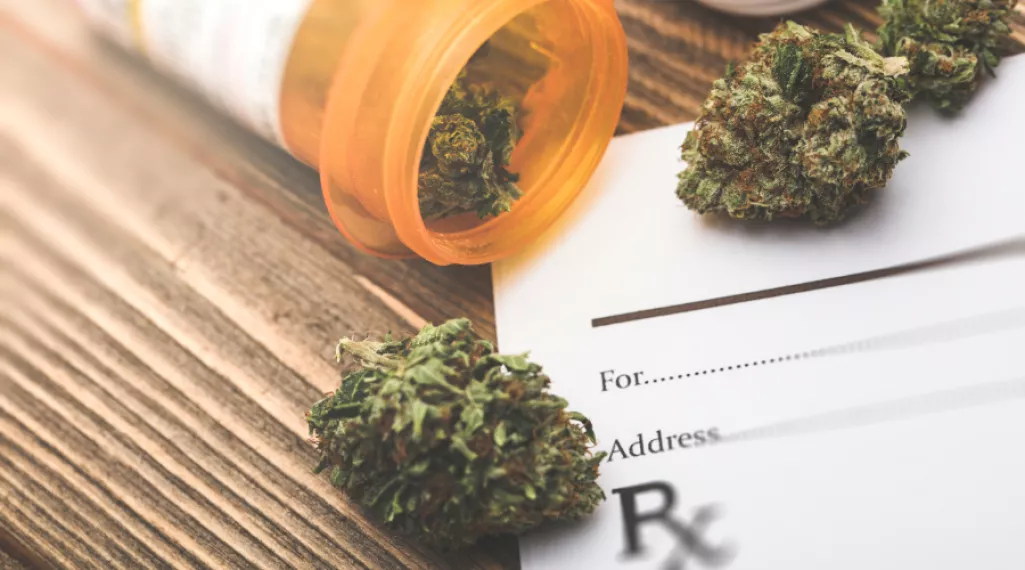
The use of medicinal marijuana alongside traditional treatments has gained significant attention in recent years. Many patients are exploring how cannabis can complement conventional methods to manage a range of conditions, including chronic pain, anxiety, and neurological disorders. However, combining these approaches requires careful consideration, as it is vital to understand potential interactions, benefits, and risks.
Why Combine Medicinal Marijuana with Traditional Treatments?
Traditional treatments, such as prescription medications and physical therapy, remain the cornerstone of care for many medical conditions. Yet, medicinal marijuana offers an alternative avenue for patients who experience side effects from standard therapies or find them insufficient for pain or symptom relief. For instance, individuals undergoing chemotherapy often turn to cannabis for its anti-nausea properties, while patients with chronic pain might use it to reduce reliance on opioids.
By integrating medicinal marijuana into a treatment plan, patients may achieve enhanced symptom management or reduced medication dosages, minimizing the side effects associated with certain pharmaceuticals. However, this strategy is most effective when undertaken in partnership with a knowledgeable healthcare provider.
The Importance of Consultation
One of the most critical steps in combining medicinal marijuana with traditional treatments is consulting your healthcare team. Your doctor can assess your medical history, current medications, and overall health to determine whether medicinal marijuana is a suitable addition. Certain medications, such as blood thinners or anti-seizure drugs, may interact with cannabis compounds, potentially altering their effectiveness.
Moreover, a doctor can provide guidance on the appropriate strain, dosage, and method of consumption. For example, patients using medicinal marijuana for pain relief might benefit from strains high in THC or CBD, while those managing anxiety may find low-THC strains more effective.
Tailoring Treatment Plans
Combining cannabis with traditional treatments involves creating a tailored plan that addresses individual needs. For chronic pain management, this might mean using medicinal marijuana during flare-ups to reduce opioid usage. In cases of insomnia, it could involve pairing a sedative strain of cannabis with relaxation techniques. Patients with neurological conditions, such as epilepsy, often incorporate CBD-rich strains alongside prescribed anti-seizure medications.
Adjustments may be necessary as your body responds to the combined treatments. Regular follow-ups with your healthcare provider are essential to monitor progress, ensure safety, and make changes if needed.
Legal Considerations and Access
Medicinal marijuana is subject to state laws and regulations, which dictate who can access it and how it can be used. In Florida, patients seeking cannabis as part of their treatment plan must apply for a Florida medical marijuanas card. This process involves obtaining a recommendation from a qualified physician and registering with the state. A medical marijuana card grants access to licensed dispensaries, where patients can purchase products that meet their specific needs.
Understanding Potential Risks
While medicinal marijuana has many therapeutic benefits, it’s important to acknowledge potential risks. Overuse or improper use can lead to side effects such as dizziness, dry mouth, or heightened anxiety. Additionally, the psychoactive effects of THC can impair judgment or coordination, which may be problematic for some patients.
Another concern is the variability in cannabis products. Potency, strain composition, and quality can differ between providers, making it essential to purchase from reputable dispensaries. Licensed dispensaries ensure that products are tested for contaminants and accurately labeled, providing patients with peace of mind.
The Path Forward
Combining medicinal marijuana with traditional treatments offers a promising approach for many patients, but it requires careful planning and collaboration with healthcare professionals. By ensuring that cannabis is used safely and effectively, patients can potentially enhance their quality of life and gain better control over their symptoms.
As research on medicinal marijuana continues to grow, more patients are discovering its potential to complement existing therapies. With the right support and resources, such as obtaining the necessary approvals and guidance, integrating cannabis into a treatment plan can open new doors to holistic healing.
