

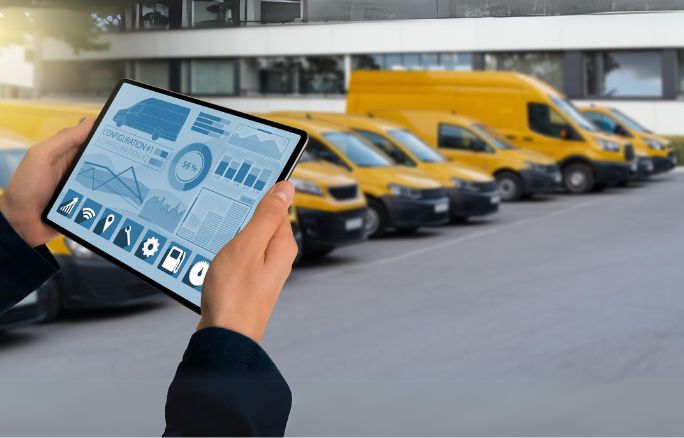
When your business relies on a fleet of company-provided vehicles, keeping them running efficiently, safely, and cost-effectively is crucial. This is where effective management and monitoring come into play.
By implementing best practices, you can ensure that your fleet stays in top condition, while also safeguarding your employees and your company’s bottom line. Here’s a look at how you can manage and monitor company-provided vehicles.
Use GPS Tracking Technology
One of the most powerful tools at your disposal is car tracking technology. GPS fleet tracking systems provide real-time data on vehicle locations, which can significantly improve operational efficiency.
By monitoring where each vehicle is at any given time, you can plan routes more effectively, avoid traffic bottlenecks, and even reroute drivers in case of emergencies.
Plus, if a vehicle is used inappropriately or strays from its designated area, you’ll know right away, helping to reduce misuse.
Set Up Regular Maintenance Schedules
Maintaining your vehicles regularly can save you a lot of headaches down the line. Routine services like oil changes, tyre checks, and brake inspections prevent more serious (and expensive) issues from developing.
By setting up a maintenance schedule and reminding drivers when their vehicle is due for servicing, you’ll extend the life of your fleet and reduce the likelihood of breakdowns.
Develop a Clear Vehicle Use Policy
To maintain control over how company vehicles are used, you’ll need a clear and comprehensive vehicle use policy. This policy should cover everything from who is allowed to drive the vehicles to the types of journeys that are permitted.
It should also outline what’s considered misuse – whether it’s using the vehicle for personal errands or unsafe driving habits.
Having such a policy in place, and ensuring that all employees are familiar with it, sets expectations and creates accountability. Make sure your policy is regularly updated to reflect changes in vehicle usage, legal requirements, or company goals.
Optimise Fuel Usage
Fuel is one of the largest expenses when managing a fleet, so keeping it in check is vital. Car tracking technology not only allows you to optimise routes for fuel efficiency but also helps you keep track of fuel consumption patterns. If one of your vehicles is consistently burning more fuel than the others, it could indicate a mechanical issue, driver inefficiency, or even potential fuel theft.
You can also provide training to your drivers on fuel-efficient driving techniques, such as reducing idling time, avoiding aggressive acceleration, and maintaining steady speeds. Implementing these techniques can have a noticeable impact on your overall fuel costs.
Keep Accurate Records and Analyse Data
Data is at the heart of effective fleet management. By keeping accurate records of vehicle use, including mileage, destinations, and hours on the road, you can identify trends and inefficiencies.
This data can help you make informed decisions about which vehicles may need to be replaced, which routes are most effective, and which drivers are performing well.
Many car tracking systems come with built-in reporting tools that can generate detailed reports on vehicle performance, fuel consumption, and maintenance history.
Reviewing this data regularly will enable you to keep your fleet operating at peak efficiency and help you stay ahead of any potential issues.
Wrap
Managing and monitoring company-provided vehicles requires a proactive approach. By following the above practices, you can streamline your fleet operations while ensuring the safety of your drivers.
These best practices not only help you protect your investment but also contribute to a more efficient and sustainable business.
