

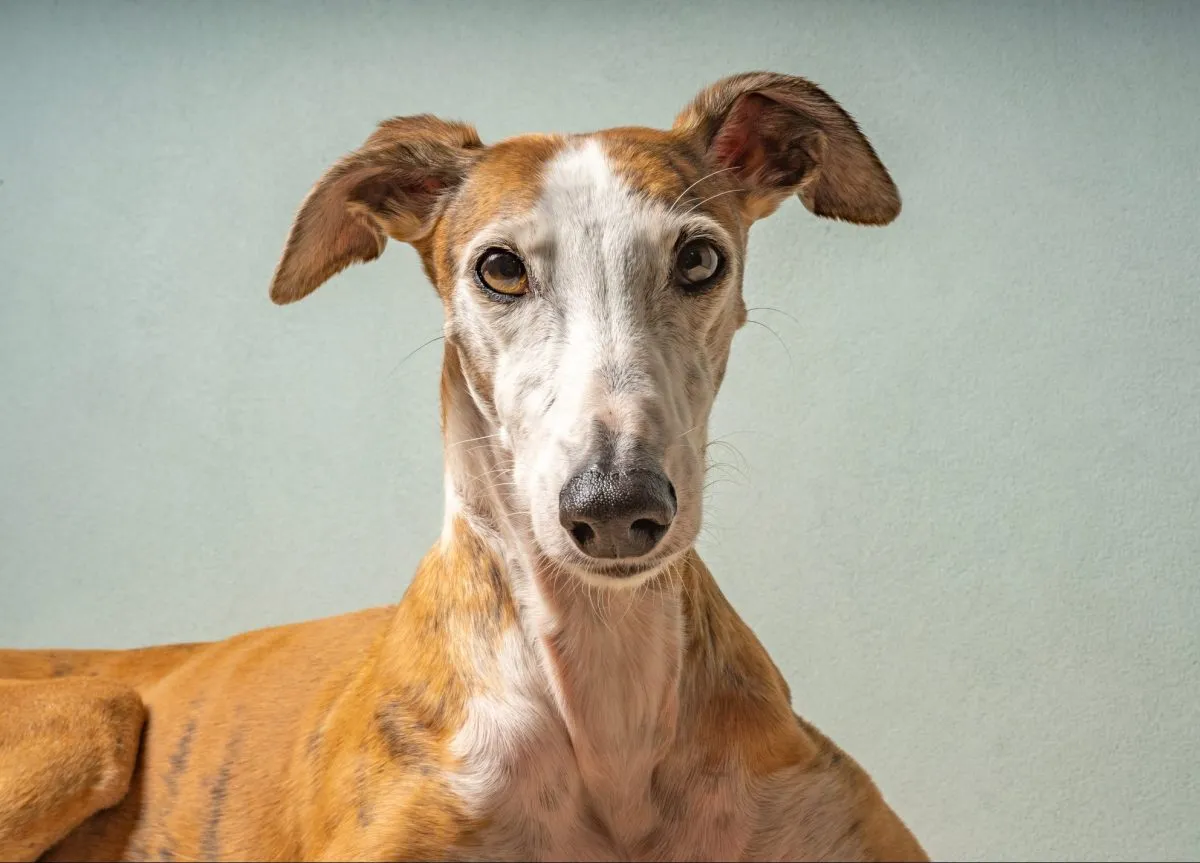
Among the world’s most iconic and graceful Behind the Breed: Greyhounds holds a place of unique reverence. Known for their extraordinary speed, sleek elegance, and docile temperament, Greyhounds have captivated dog lovers for centuries. From their ancient origins to their modern-day presence as beloved pets, these athletic sighthounds embody a combination of power, beauty, and gentleness that sets them apart from other breeds. In this article, we explore the history, physical characteristics, temperament, care needs, and what it’s really like to live with a Greyhound.
The Ancient Origins of Greyhounds
The history of the Greyhound is steeped in antiquity, with records of the breed dating back over 4,000 years. Greyhounds have been depicted in ancient Egyptian tombs, and references to similar dogs have appeared in Roman, Greek, and Middle Eastern cultures. These early dogs were prized for their speed, agility, and hunting ability. Pharaohs and other noble figures often kept Greyhound-like dogs as companions, and they were considered status symbols, reserved for the elite.
The breed’s name, “Greyhound,” is believed to have derived from several different roots, including the Old English “grei,” meaning dog, and “hund,” meaning hound. Contrary to what the name might suggest, Greyhounds do not have any connection to the color grey, though grey-colored Greyhounds do exist.
Greyhounds were bred to hunt by sight, making them part of the sighthound group. Unlike scent hounds that track prey using their nose, Greyhounds rely on their keen eyesight to detect movement from a distance and their speed to give chase. This makes them especially well-suited for open areas where their remarkable vision and rapid acceleration can be put to use.
In the Middle Ages, Greyhounds were often associated with royalty and nobility in Europe. Kings and lords would use them for hunting game like deer and hare, and they became symbols of wealth and prestige. Over time, Greyhounds became associated not just with hunting, but also with racing, and their reputation for speed and grace solidified.
Physical Characteristics: Built for Speed and Elegance
Greyhounds are often described as one of the most aesthetically striking breeds, with a sleek and aerodynamic build that speaks to their natural athleticism. Everything about a Greyhound’s physique is designed for speed, from their narrow heads to their powerful hindquarters.
Speed and Agility
The Greyhound’s most defining physical trait is its speed. They are the fastest dog breed in the world, capable of reaching speeds of up to 45 miles per hour. This incredible speed is due in part to their long, lean bodies, muscular legs, and deep chests that house large lungs and a strong heart. When running, Greyhounds use a unique double-suspension gallop, where all four feet leave the ground twice during each stride. This enables them to cover large distances quickly and efficiently, making them unmatched in short-distance sprints.
In addition to speed, Greyhounds are known for their agility and grace. Their long, slender legs and flexible spines allow them to make sharp turns and sudden changes in direction, a skill that was essential for chasing fast-moving prey like hares during hunts.
Elegant Appearance
Despite their athletic prowess, Greyhounds are graceful and refined in appearance. They have long, narrow heads with small ears that fold back when relaxed but perk up when alert. Their eyes are dark and intelligent, often giving them a soulful expression that endears them to their human companions.
Their short, smooth coats come in a variety of colors, including black, white, fawn, blue, red, and brindle. The coat requires minimal grooming, adding to the breed’s appeal for those seeking a low-maintenance pet. Though their coats are thin, their skin is surprisingly tough, designed to protect them from scrapes and scratches while running through rough terrain.
Despite their size—males typically stand between 28 and 30 inches tall at the shoulder and weigh between 65 and 70 pounds—Greyhounds are often referred to as “gentle giants” due to their calm demeanor and affectionate nature.
Temperament: Gentle, Affectionate, and Surprisingly Laid-Back
While Greyhounds are world-renowned for their speed and athleticism, they are equally beloved for their calm, gentle, and affectionate temperament. Their personality traits make them a wonderful choice for families and individuals seeking a loyal, low-energy companion.
The Myth of the High-Energy Greyhound
Given their racing background and reputation as sprinters, many people mistakenly believe that Greyhounds are high-energy dogs that require constant exercise. However, nothing could be further from the truth. Greyhounds are often described as “45-mile-per-hour couch potatoes” because, while they are capable of incredible bursts of speed, they are actually quite content to lounge around for most of the day.
In fact, Greyhounds are generally one of the most low-energy breeds, preferring short bursts of activity followed by long periods of relaxation. After a brief sprint in a yard or a brisk walk, a Greyhound is likely to settle down for a nap. They are perfectly suited for apartment living, as long as they are given a few daily walks and the opportunity to stretch their legs in a safe, enclosed area.
Gentle and Affectionate Nature
Greyhounds are incredibly gentle dogs with a deep bond to their families. They are affectionate and enjoy being close to their humans, often curling up beside them or resting their heads on their laps. Despite their size, Greyhounds are not particularly boisterous or pushy. They are typically reserved, preferring quiet environments, though they can be playful and fun-loving when the mood strikes.
Their gentle nature makes them wonderful pets for families, including those with children. They are patient and calm, often showing remarkable tolerance even when faced with the unpredictable behavior of small children. That being said, it’s important to supervise interactions between dogs and children to ensure mutual respect and safety.
Greyhounds also tend to get along well with other dogs, particularly other sighthounds. Their calm demeanor and lack of territorial aggression mean that they can often coexist peacefully with other pets, though it’s essential to introduce them properly. Due to their strong prey drive, Greyhounds may not be suitable for homes with small pets like rabbits or guinea pigs unless they are specifically trained and socialized from a young age.
A Quiet, Reserved Breed
One of the most notable features of the Greyhound’s temperament is their quiet nature. Unlike some more vocal breeds, Greyhounds rarely bark unless they are truly excited or sense something out of the ordinary. This trait makes them ideal for living in apartments or homes where noise levels need to be kept to a minimum.
Greyhounds also tend to be somewhat independent, although they are still affectionate with their families. They enjoy companionship but are not typically needy or clingy. This makes them a good match for individuals who work outside the home but can provide them with love and attention when they’re present.
Caring for a Greyhound: Health, Exercise, and Diet
Caring for a Greyhound is relatively straightforward, but there are some specific considerations that come with owning such a unique breed.
Exercise Needs
While Greyhounds are low-energy dogs, they do need regular exercise to keep them healthy and happy. Due to their background as sprinters, they benefit most from short bursts of intense exercise, such as running in a securely fenced area or playing fetch. However, they are also content with daily walks and moderate activity.
It’s important to remember that Greyhounds are not endurance runners. Their bodies are designed for speed over short distances, so long-distance running or strenuous activity may not be ideal for them. Always be mindful of their limits, especially in hot weather, as their short coats do not provide much protection from the sun, and they can overheat easily.
Health Considerations
Like all breeds, Greyhounds have specific health issues to be aware of. Fortunately, they are generally a healthy breed with fewer genetic problems than many other purebreds. However, some common health issues include:
- Bloat (Gastric Dilatation-Volvulus): Greyhounds, like many deep-chested breeds, are at risk for bloat, a condition where the stomach fills with gas and twists, cutting off blood flow. Bloat is a medical emergency and requires immediate veterinary attention. To reduce the risk, avoid feeding your Greyhound large meals right before or after exercise, and feed smaller, more frequent meals throughout the day.
- Joint and Bone Problems: Due to their athletic nature, Greyhounds can be prone to injuries like sprains, strains, and fractures, particularly in their legs. It’s important to monitor their activity and ensure that they are running in safe, obstacle-free environments.
- Sensitivity to Anesthesia: Greyhounds have a unique metabolism, making them more sensitive to anesthesia and certain medications. It’s crucial to choose a veterinarian who is familiar with the breed and can adjust treatments accordingly.
- Cold Sensitivity: Because of their thin coats, Greyhounds are more susceptible to the cold than some other breeds. They may need a sweater or coat during colder months, especially when spending time outside.
Diet
Greyhounds have relatively fast metabolisms and lean muscle mass, so they require a high-quality diet that supports their energy needs without contributing to weight gain. A balanced diet of protein, fats, and carbohydrates, along with essential vitamins and minerals, is key to keeping them healthy. Avoid feeding them table scraps or overly fatty foods, as they can gain weight quickly if overfed.
Grooming
Greyhounds have minimal grooming needs, thanks to their short, smooth coats. Regular brushing with a soft brush will help keep their coat shiny and healthy, and they only need occasional baths. They do shed, but the amount of hair they lose is generally less noticeable compared to longer-coated breeds.
Dental care is especially important for Greyhounds, as they are prone to tartar buildup and dental issues. Regular brushing and providing dental chews can help maintain their oral health.
Adopting a Greyhound: Racing Rescues and Companions
In recent decades, many Greyhounds have found new lives as beloved pets after retiring from the racing industry. Greyhound racing, while still prevalent in some regions, has seen a decline due to growing concerns about the treatment of racing dogs. As a result, many former racing Greyhounds are available for adoption through specialized rescue organizations.
Adopting a retired racing Greyhound can be an incredibly rewarding experience. These dogs are often already trained to some extent, and they are typically well-socialized with other dogs. However, it’s important to remember that retired racers may need time to adjust to life in a home environment, as many have spent their entire lives in kennels. Patience, love, and understanding are essential during the transition period.
Conclusion
The Greyhound is a breed of unmatched speed, elegance, and gentle temperament. Whether as ancient hunters, racing champions, or loyal family companions, these graceful dogs have a rich history that continues to endear them to people around the world. Their combination of athleticism and calm, loving nature makes them a wonderful choice for a wide variety of homes, and their unique beauty and quiet demeanor make them stand out in any environment.
For those who appreciate a dog with both physical prowess and a gentle heart, the Greyhound is a breed that offers the best of both worlds—whether they’re sprinting across the yard or curling up beside you on the couch.
