

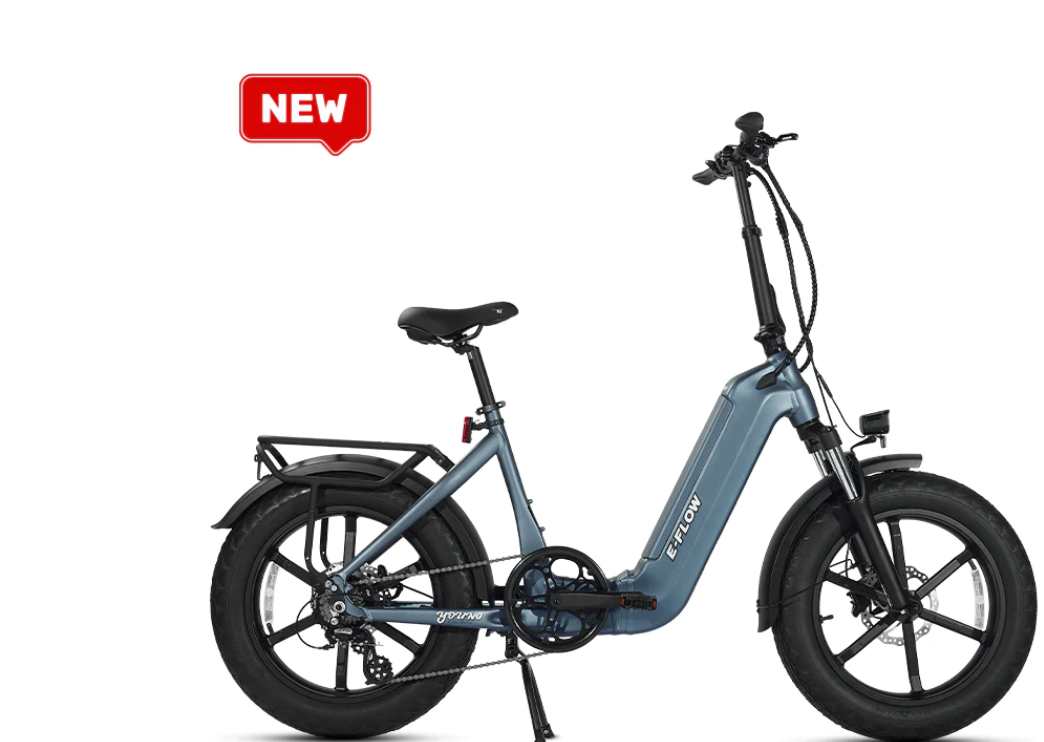
Off road ebike as an environmentally friendly and convenient means of transportation, its performance is closely related to the type of battery. Different types of batteries have different characteristics and performance, and it is crucial to choose the right type of battery for your needs. This article will compare several common electric bicycle battery types to help consumers better understand the various options.
- Lithium-ion battery (Li-ion)
Advantages:
High energy density: Compared to other types of batteries, lithium-ion batteries have a higher energy density and are able to provide a longer range.
Long life: Lithium-ion batteries have a long service life, with a typical cycle life of thousands of charges and discharges.
Lighter: Compared with traditional batteries such as lead-acid batteries, lithium-ion batteries are lighter, which is conducive to improving the portability and handling of electric bicycles.
Cons:
Higher price: Lithium-ion batteries are relatively expensive and will increase the cost of off road ebike
.
Safety issues: Lithium-ion batteries have safety risks such as overheating and fire, and need appropriate protection measures.
- Nickel Metal Hydride Battery (NiMH)
Advantages:
Environmental protection: nickel-metal hydride batteries are relatively environmentally friendly and do not contain harmful metals such as cadmium and mercury.
Lower cost: Compared with lithium-ion batteries, the cost of nickel-metal hydride batteries is lower.
Cons:
Lower energy density: nickel-metal hydride batteries have a relatively low energy density and require a larger volume to provide the same range.
Relatively short life: nickel-metal hydride batteries generally have a shorter cycle life than lithium-ion batteries and need to be replaced more frequently.
- Lead-acid battery (Lead-acid)
Advantages:
Low cost: Lead-acid batteries are a more economical type of battery, suitable for users with limited budgets.
Mature technology: Lead-acid battery technology is mature, and production and maintenance costs are low.
Cons:
Low energy density: The energy density of lead-acid batteries is low, and the battery of the same capacity will be heavier, affecting the portability of electric bicycles.
Shorter life: Lead-acid batteries have a relatively short cycle life and need to be replaced more frequently, which increases the cost.
To sum up, different types of batteries have advantages and disadvantages, and consumers need to weigh various factors according to their own needs and budgets when choosing an electric bicycle. Lithium-ion batteries are better in performance and life, but the cost is higher; Nickel-metal hydride battery price is moderate, but the energy density is low; Lead-acid batteries cost the least but have a shorter life span. Choosing the type of battery that suits you can better enhance the use experience of off road ebike
.
.
