

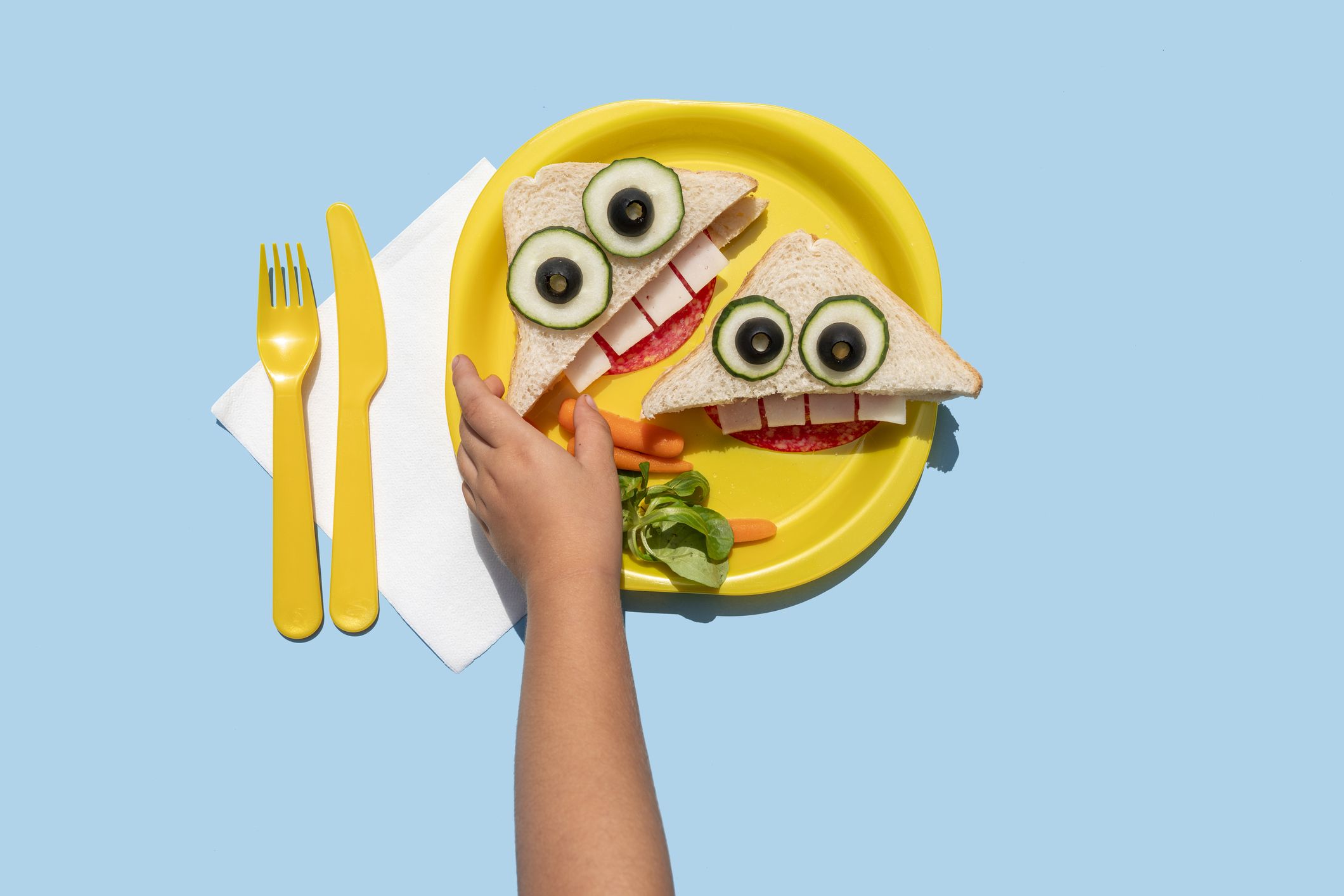
In education, where every minute counts and every lesson matters, providing the right snacks can be more than just a pleasant break for students—it can be a game changer for learning. Snacks in the classroom aren’t just about quelling hunger; they are a strategic tool for maintaining energy levels, enhancing focus, and creating a nurturing environment. As teachers, the challenge is finding nutritious and universally appealing snacks capable of catering to diverse tastes and dietary needs without distracting from the day’s learning objectives.
The Sweet Spot: Balancing Nutrition and Appeal
Every teacher knows that a hungry student is a distracted student. But what is the ideal snack to keep the young minds engaged? The key is to strike a balance between nutritional value and taste. Whole fruits, for example, are excellent as they are naturally sweet, packed with vitamins, and easy to distribute. Apples, bananas, and oranges are classroom favorites because they are nutritious, mess-free, and easy to eat. Combining these with a handful of nuts or a slice of cheese can round out the snack with protein and fat, helping stabilize blood sugar levels and sustain energy throughout the school day. When it comes to sweet treats, remember that fruit hard candy is always a hit, offering a quick dose of power and a burst of flavor that can perk up any afternoon slump.
The Joy of Sharing: Creating Community Through Snacks
Beyond the simple act of refueling, snack time can be a profound opportunity for building community within the classroom. It’s a time when students can share food, conversations, and experiences. This shared time can become a cornerstone of the classroom culture, promoting inclusivity and understanding. To foster this, consider introducing a “snack share” day, where students can bring in their favorite snacks to share with the class—bearing in mind allergies and dietary restrictions. This not only exposes students to different cuisines and cultures but also encourages them to think about the nutritional needs and preferences of others. It’s a small step toward building empathy and a sense of community, which are just as nourishing as the snacks.
Timing is Everything: When to Snack for Optimal Impact
The timing of snack breaks can significantly influence how effectively they boost energy and concentration. Mid-morning, usually between lessons, is a perfect time as it helps replenish energy stores that deplete during the early hours of school. Another critical time is mid-afternoon when energy levels naturally start to dip. A well-timed snack can substantially impact students’ focus and productivity as they tackle the second half of their day. On National Teachers Day, celebrating educators’ dedication and hard work, it’s especially poignant to consider how something as simple as a snack can reflect our care and commitment to our students’ well-being and success.
Allergies and Sensitivities: Navigating the Nutritional Minefield
In today’s diverse classroom, allergies and dietary restrictions play a significant role in determining snack choices. Teachers must stay informed about students’ nutritional needs to ensure that snack time is safe for everyone. Offering gluten-free, nut-free, and dairy-free options can help accommodate various dietary restrictions. Labels and ingredients should always be checked and double-checked to prevent any adverse reactions. This vigilance ensures safety and shows students and their parents that you are committed to caring for every child’s health and well-being. Engaging parents in discussions about their child’s dietary needs can enhance safety and inclusivity, making snack time enjoyable.
Cost-Effective Snacking: Budget-Friendly Ideas That Don’t Skimp on Nutrition
While we strive to offer nutritious and exciting snacks, budget constraints are a reality for many educators. Creativity becomes crucial in stretching snack budgets without compromising on quality. Buying in bulk, opting for seasonal produce, and leveraging school programs that provide fruits and vegetables can significantly reduce costs. Teachers can also coordinate with each other to purchase large quantities of snacks that can be shared among different classes. Another practical approach is involving the local community or businesses that might be willing to sponsor snack times or donate supplies, thus supporting their local schools while promoting healthy eating.
The Role of Snacks in Education: More Than Just a Treat
When integrated thoughtfully into the school day, Snacks can transcend their primary function of satisfying hunger. They can become powerful tools for teaching valuable health, nutrition, and social responsibility lessons. Educators can use snack time to discuss topics like the importance of balanced diets, the science of digestion, or even broader issues like food sustainability and global food cultures. This enriches the curriculum and helps students make informed choices about food outside of school.
To wrap up, the strategic use of snacks in the classroom is multifaceted. It’s not just about quelling mid-morning hunger pangs or providing a sugary treat; it’s about fostering a supportive, inclusive, and engaging learning environment. Through mindful snack selection and timing, educators can enhance student engagement, teach important nutritional lessons, and promote community and care in the classroom. Every bite, chosen with care and served with intention, can contribute significantly to the daily success and overall well-being of students.
