

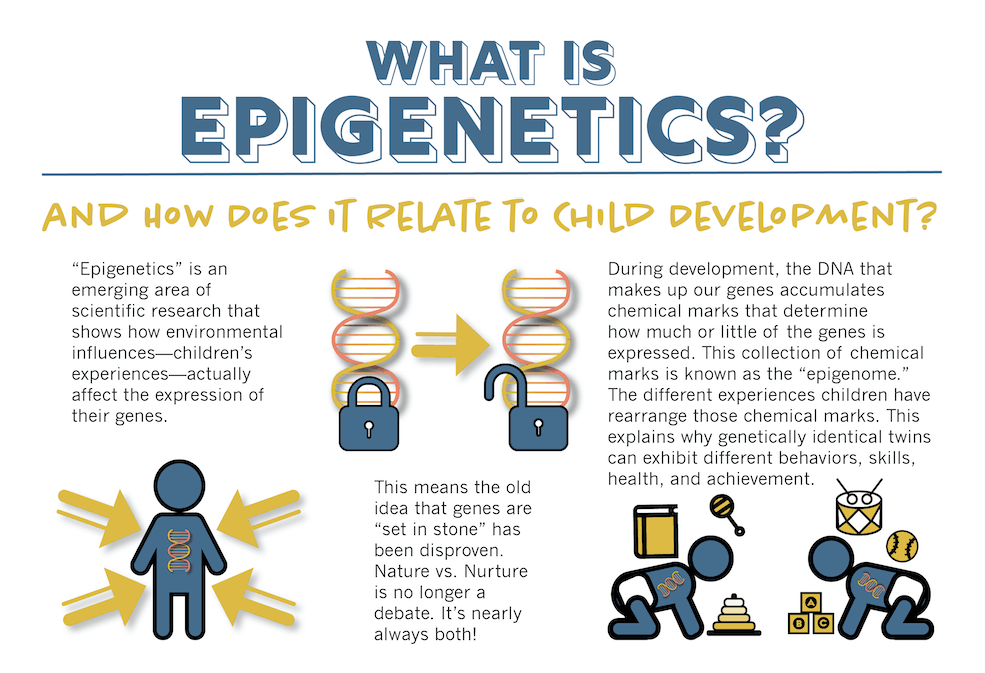
The idea of losing your memory or struggling to focus can be terrifying, but what if you’re not as powerless as you think? While dementia and Alzheimer’s are often seen as inevitable for some, research is uncovering exciting connections between epigenetics—how your environment and lifestyle can influence your genes—and natural medicine. With the right steps, you might be able to slow or even reverse some cognitive decline. Let’s take a closer look at some natural approaches that show promise in preserving memory, sharpening focus, and supporting brain health.
The Mind-Body Connection
Your brain doesn’t operate in a vacuum; it’s deeply intertwined with your physical health. The link between body and mind is undeniable, and understanding this connection is key to maintaining cognitive health. Practices that promote mind body harmony, such as meditation, yoga, and even supplements and diet, have been shown to reduce stress and inflammation—two major players in cognitive decline.
Emerging research points to certain foods and supplements, like Lion’s Mane mushroom, as tools for boosting mental clarity. Building habits that nurture both your mental and physical well-being is more than just self-care—it’s a strategic move for long-term brain health.
The Dr. Bredesen Protocol for Cognitive Care
What if there were a way to personalize your approach to dementia prevention and care? Enter the Dr. Bredesen Protocol, a revolutionary framework that addresses cognitive decline through a comprehensive lens. This method doesn’t just target the symptoms; it works to identify and address root causes. By focusing on lifestyle changes, targeted supplementation, and optimizing brain health, the protocol takes a proactive stance against Alzheimer’s and dementia.
One notable feature of this approach is how Dr Bredesen protocol doctors create individualized plans tailored to each patient’s unique biology. When this protocol is implemented in real-world settings, it addresses inflammation, sleep quality, and even toxin exposure. This approach offers a multi-pronged solution to what was once considered an irreversible condition.
Hormones and Their Surprising Role in Brain Health
You’ve heard that hormones impact mood and energy, but did you know they also play a crucial role in memory and focus? Fluctuating levels of estrogen, testosterone, and thyroid hormones can significantly impact cognitive function, particularly as we age. For women, hormonal shifts during menopause often correlate with memory struggles, while men might experience brain fog as testosterone declines.
Balancing hormones through diet, stress management, and natural therapies is a powerful way to support cognitive health. Integrative practices like those found at AvenaNaturalHealth.com can provide insights into how hormone optimization contributes to better memory retention and mental clarity. Your hormones aren’t just passengers in your health journey—they’re drivers, and keeping them in check can steer you toward sharper thinking.
Epigenetics and the Power of Personalized Nutrition
Your genes are not your destiny. Epigenetics shows us that the way your genes are expressed can be influenced by your lifestyle choices, including what you eat. This opens the door to using personalized nutrition as a tool to support brain health. Foods rich in antioxidants, healthy fats, and anti-inflammatory properties can help protect the brain and enhance its resilience against cognitive decline.
Imagine your diet as a way to flip switches in your DNA. By prioritizing whole foods, avoiding processed sugars, and incorporating brain-boosting nutrients like omega-3s, you can take an active role in preserving your cognitive health. This isn’t just about eating better—it’s about eating smarter, based on what your body and mind truly need.
Nature’s Toolkit: Herbs and Supplements for Brain Power
The natural world is full of remedies that can support cognitive health, and science is catching up to ancient wisdom in this area. From ginkgo biloba to turmeric, certain herbs and spices are showing promise in improving memory and reducing inflammation. Supplements like phosphatidylserine and acetyl-L-carnitine are gaining attention for their role in supporting neurotransmitters and overall brain function.
Before diving into every herbal trend, it’s crucial to consult with a natural health professional who understands your unique needs. A tailored approach ensures you’re not only taking the right supplements but also avoiding interactions with other treatments. Think of these natural options as tools in your arsenal for staying sharp, rather than quick fixes.
Exercise: Not Just for Your Body
Exercise isn’t just about keeping your heart healthy or fitting into your jeans—it’s also one of the most effective ways to support your brain. Physical activity can better increase blood flow to the brain, which can then promote the growth of new neural connections, and release chemicals that improve mood and focus. What’s more, the type of exercise you choose can make a difference.
Aerobic activities like swimming or running are great for overall brain health, while resistance training has been linked to improved memory. Even small changes, like walking regularly or practicing balance exercises, can keep your mind agile.
