

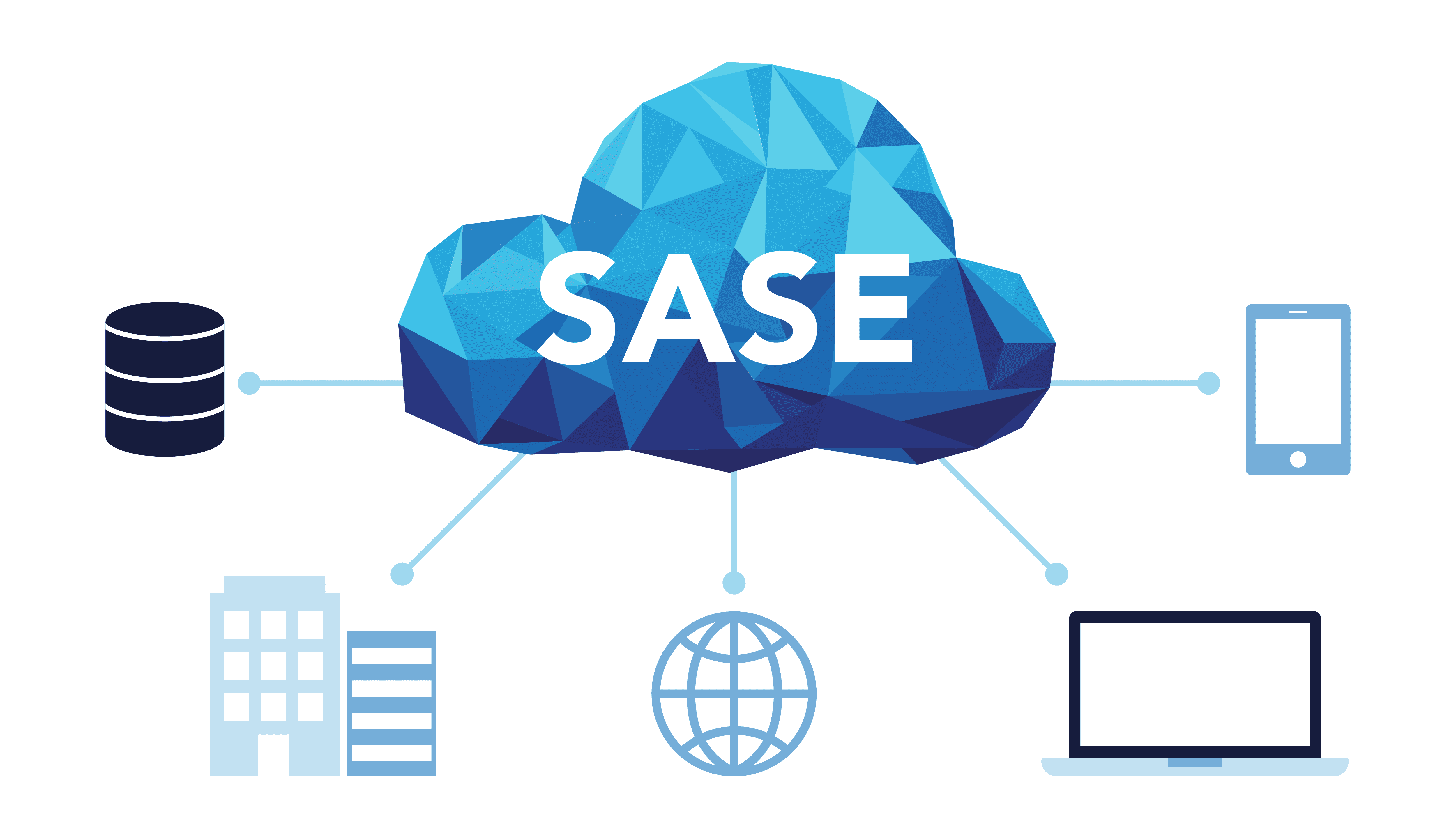
Digital transformation, remote work, and cybersecurity threats drive enterprises to deploy SASE. A secure SASE solution helps protect sensitive data, reduces cost and complexity, and improves security posture.
The best SASE solutions have tight integration with leading security vendors. This allows you to choose the network and security functions that meet your needs without compromising performance or security.
Benefits of SASE Solutions for Chinese Enterprises
SASE solutions for Chinese enterprises are a way to reduce costs, streamline network management, and enhance security. Unlike traditional networking and security technologies, which require expensive hardware and the constant attention of IT staff, SASE operates on a cloud-native platform that utilizes a subscription model with pay-as-you-go options. Furthermore, integrating SASE with other IT technologies, such as firewalls, secure web gateways, and cloud access security brokers, is significantly more straightforward.
The SASE framework is ideal for hybrid work initiatives and other projects that require consistent application performance across all locations. It provides a single, easy-to-manage solution that allows organizations to replace multiple architectural layers with a single control plane that implements an identity-based Zero Trust policy for all remote users, devices, and applications.
Companies that want to deploy SASE should plan for a gradual migration strategy. First, they should conduct inventories and assess their existing hardware and software infrastructure. Next, they should consider their remote workforce’s business and compliance needs. Then, they should determine what technology and functions they need to move to SASE. Finally, they should select a vendor with flexible offerings and strong support for cloud-native SASE solutions.
Enhanced Security
Businesses can consolidate and optimize existing technology investments when deploying SASE as part of an SD-WAN architecture. This approach reduces IT staff costs and improves 24/7 network performance management, security threat response, and more.
SASE solutions can incorporate several security technologies, including secure web gateways (SWG), firewalls, cloud access security brokers, and more. These tools communicate with one another and share alerts across platforms to enhance security. They also support granular security policies, such as restricting access to specific applications or data based on user and device identity.
An additional security component to consider is Zero Trust Network Access (ZTNA), which authenticates and validates every access request before granting it. It allows for heightened protection from cyber threats by ensuring that only authorized users and devices can connect to your network. This capability also provides more visibility into your network to identify suspicious activities. Combined with SD-WAN, ZTNA can also ensure optimal application performance. This is especially useful for remote work and business-critical SaaS applications.
Reduced Complexity
Businesses can consolidate security and connectivity systems and simplify network management with a single SASE framework. As a result, companies can save time and money by eliminating multiple-point products from their infrastructure.
SASE allows businesses to quickly tailor the security and bandwidth needed for unique applications. Moreover, it helps them to reduce costs by shifting capital expenditures (CapEx) to operational expenses (OpEx).
To adopt SASE, businesses should work with an advisor who can help them understand their current connectivity and security status. Then, they can evaluate their gaps and weaknesses and prioritize their goals to develop a plan for moving forward with SASE.
Scalability
SASE’s cloud-native architecture enables enterprises to quickly scale their network security capabilities without significantly increasing capital investments. It allows organizations to quickly address increased security threats like malware or ransomware or support a growing workforce with more remote and boundary less work environments.
This scalability also helps companies save on cost by integrating multiple networking and security solutions into one platform, so they can spend less time managing point products and more time focused on core business needs. It also eliminates the need for costly hardware refresh cycles and software contracts, which helps reduce overall operating expenses.
To maximize the benefits of SASE, businesses should partner with a Managed Service Provider (MSP) that offers a fully managed solution. This approach removes the heavy initial investment and dramatically reduces management and operations overhead, freeing in-house IT staff for more value-driven activities. Additionally, an MSP can offer solution bundles and discounts that lower the total cost of ownership and help minimize deployment risk. Lastly, an MSP’s knowledge of networking and security will ensure that the SASE solution fits the organization’s unique requirements.
Flexibility
A managed SASE solution offers businesses a flexible network and security framework. It allows companies to deploy a single integrated platform that provides connectivity and security capabilities, eliminating the need for multiple systems, reducing complexity, and improving visibility. It also offers a cloud-based deployment model, transforming hardware costs into a predictable operational expense (OPEX) subscription model and freeing in-house IT resources for value-driven work.
A centralized management console simplifies the overall network architecture, ensuring each component is easy to configure, manage, and monitor. It provides a more secure and consistent networking experience for employees across the enterprise, regardless of location. It also improves sensitive data awareness, helps to protect information from malicious activities, and enables cloud-like agility for distributed environments like remote workers and CSP instances.
Only some enterprises will immediately move to a SASE framework despite its significant benefits. As a result, some may opt to use traditional connectivity and security solutions for existing connections while moving toward SASE with new users, devices, and locations. A trusted managed service provider (MSP) can help provide an on-demand SASE framework that fits your organization’s unique needs.
