

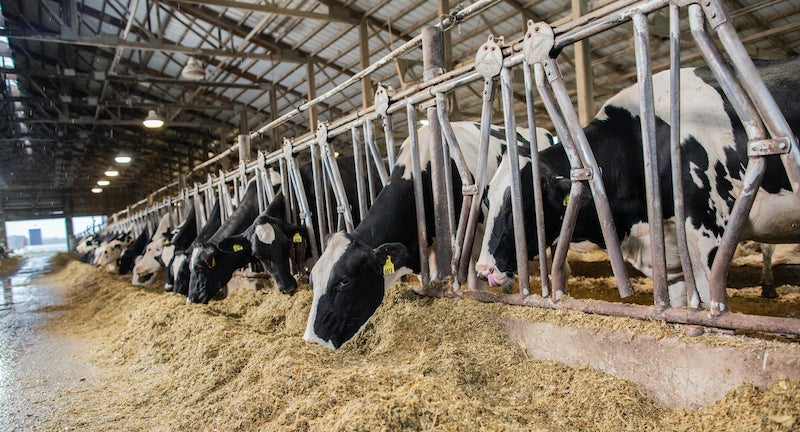
In a world in which technological developments and innovations are rapidly affecting every facet of our lives, it should not come as a surprise that these advancements are also having a substantial impact on the welfare of animals. New opportunities to improve the lives of animals, safeguard their environments, and encourage compassionate care are being created as a result of the collaboration between technology and the welfare of animals. In this article, we will investigate the vital role that technology and innovation play in increasing animal welfare, so assuring a brighter and more humane future for all of the species that we share in our world.
- Precision Medicine for Animal Health:
Similar to how precision medicine has become a game-changer in human medicine, it has also emerged as a game-changer in vet care. These days, veterinarians can personalize therapies to the specific genetic makeup of particular animals because of the development of more advanced diagnostic instruments and genetic testing software. This not only improves the efficacy of medical interventions but also lessens the likelihood of these interventions causing adverse consequences, which ultimately leads to an improved quality of life for the animals who are undergoing therapy.
According to Lisa Ockinga, Chief Product Officer at Ling, “The development of sophisticated telemedicine platforms and wearable technologies has made it possible for pet owners to remotely monitor the health of their animals and consult with doctors in real-time. Not only does this technology make it easier to identify potential health problems at an earlier stage, but it also guarantees that animals residing in remote places receive timely medical attention.
- Conservation Through Big Data:
The power of big data and analytics has completely transformed the way conservation activities are carried out nowadays. To acquire a better understanding of the behavior and migratory patterns of endangered animals, environmental organizations and researchers are utilizing data collected from satellites, drones, and other wildlife tracking devices. This information contributes to the development of conservation plans, the protection of vital ecosystems, and the fight against the illegal trafficking of animals.
“To assist in the identification of poaching concerns and the optimization of conservation efforts, machine learning algorithms are being utilized to examine huge datasets through the use of statistical analysis. These technological breakthroughs are playing a significant part in the preservation of biodiversity and contributing to the survival of species that are in danger of extinction” says, Henry Allen, Digital Marketing Manager at Loyalty Lion
- Animal Welfare Education and Advocacy:
How we educate and advocate for the well-being of animals is also being revolutionized by technology, in addition to how we care for animals. The use of cutting-edge applications, websites, and virtual reality experiences is contributing to the dissemination of information regarding the rights of animals and the significance of ethical treatment. This set of tools offers individuals interactive venues via which they may learn about issues about animal welfare, connect with activists who share similar beliefs, and support organizations that are committed to the cause.
“Social media platforms have evolved into significant instruments for animal welfare activism, making it possible for information to be disseminated quickly and for communities to be mobilized to solve urgent concerns. The voices of those who advocate for animals have been magnified and change has been spurred at both the local and global levels as a result of the proliferation of viral campaigns and online petitions made possible by technology” asserts, Stefan Kroesbergen, Founder and CEO of Getsby
Conclusion:
Our capacity to protect and care for animals is expanding to new heights as a result of the convergence of technological advancement and innovative practices with animal welfare causes. Personalized veterinary care, data-driven conservation efforts, and the amplification of advocacy through digital channels are just some of how technology is proving to be an invaluable partner in our collective endeavor to maintain the well-being of all living things. As we continue to push the limits of what is possible, we mustn’t forget that our dedication to the ethical treatment of animals continues to be at the core of these developments. This commitment will lead us to a future in which compassion and technology will work together for the benefit of all living beings.
