

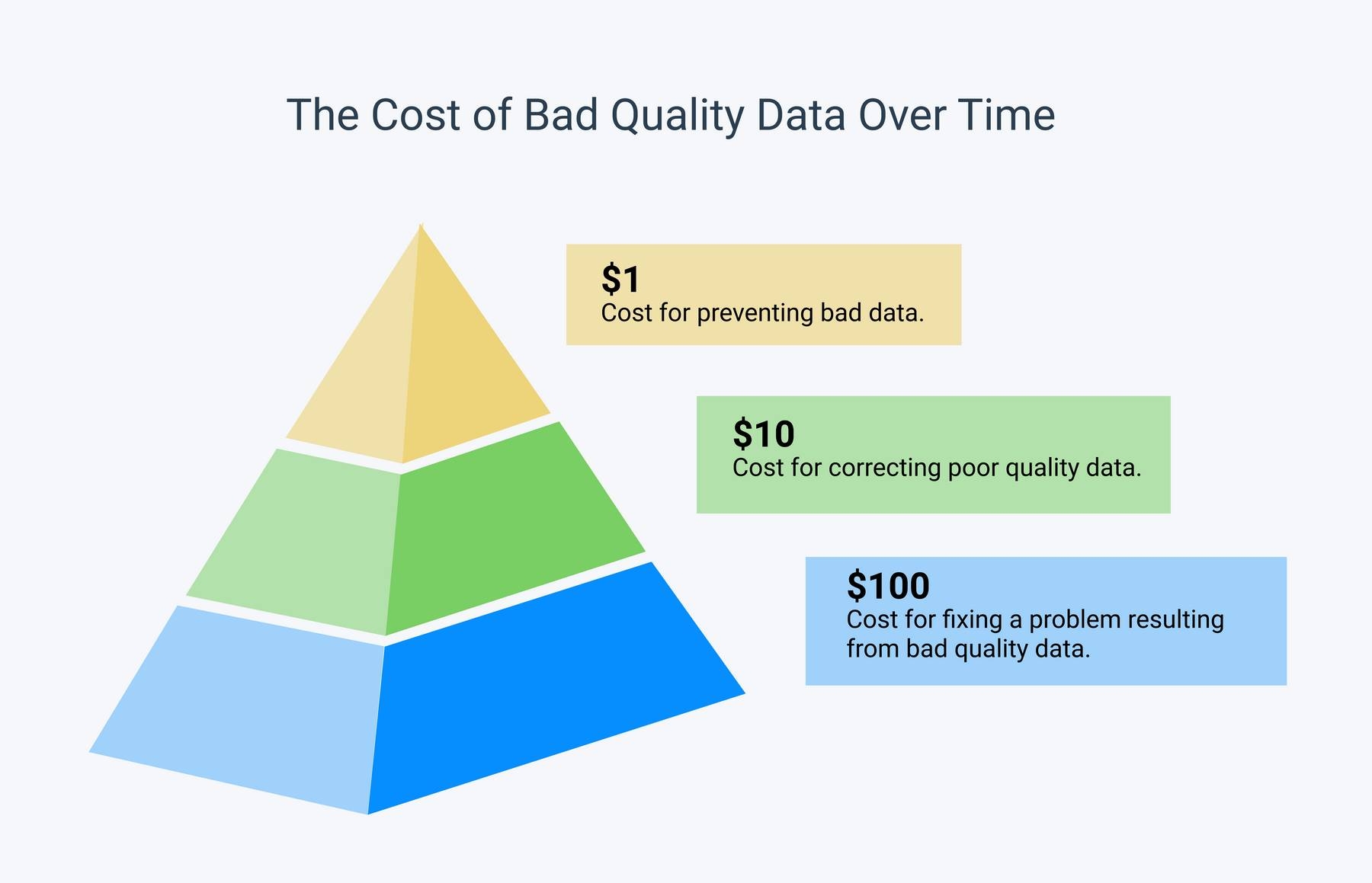
Data preparation is a crucial but often overlooked stage in data analysis, bridging raw data and actionable insights. This initial phase involves transforming disparate data into a clean, coherent format that analysts and data scientists can use to uncover trends, patterns, and predictions. Despite its importance, data preparation’s complexity and time-consuming nature can be daunting. Our post aims to demystify this process, providing a clear, step-by-step guide that navigates through the essential tasks of data preparation. By mastering these foundational skills, professionals can significantly enhance the accuracy and reliability of their data analysis, unlocking the full potential of their digital assets.
Understanding Data Preparation
Data preparation encompasses a series of critical steps designed to convert raw data into a refined format suitable for analysis. This process includes three main components: data cleaning, transformation, and enrichment. Cleaning involves correcting errors, filling in missing values, and removing duplicates to ensure the dataset’s accuracy and consistency. Transformation is about modifying data to a more helpful format or structure, which may involve normalizing data scales, combining features, or converting data types. Enrichment adds value to the dataset by incorporating additional context or information from external sources, broadening the scope for deeper analysis. The challenges in data preparation often stem from the volume, variety, and velocity of data, requiring meticulous attention to detail and strategic thinking. Adequate data preparation is indispensable in data science, as it directly impacts the quality of insights derived, ensuring that subsequent analyses are based on reliable and relevant information.
Step 1: Data Collection and Integration
The first step in data preparation is collecting and integrating data from various sources. This foundational phase involves gathering data that may come in different formats from multiple origins, such as databases, spreadsheets, and cloud services. The goal is to create a unified dataset that provides a comprehensive view of the information relevant to the analysis. Initial assessment of the collected data’s quality and structure is crucial for identifying potential issues early on. Integration plays a vital role in this step, merging data from disparate sources into a cohesive whole, ensuring consistency and accessibility. Tools and techniques like ETL (Extract, Transform, Load) processes, data warehousing, and data blending software can facilitate effective data integration. This stage sets the groundwork for a robust data analysis by establishing a consolidated dataset that accurately represents the information landscape, ready for further cleaning and transformation.
Step 2: Data Cleaning
Data cleaning is a vital step in data preparation, focused on enhancing the dataset’s quality by addressing inaccuracies, inconsistencies, and incomplete information. This process involves several essential tasks:
- Identifying and correcting errors in the data, such as typos or incorrect entries.
- Filling in missing values by imputation methods or removing records with gaps.
- Eliminating duplicate records to avoid skewed analysis results.
Cleaning also includes handling outliers that may distort statistical analysis and deciding whether to adjust, remove, or retain these data points based on their relevance to the study. The aim is to ensure the dataset is as accurate and reliable as possible, laying a solid foundation for meaningful analysis. Effective data cleaning reduces noise in the data, clarifies patterns, and strengthens the overall integrity of the insights derived. Tools like data profiling and quality software can automate this process, but critical evaluation and domain expertise remain essential for decision-making in data cleaning.
Step 3: Data Transformation
Data transformation is converting data into a format or structure that is more appropriate for analysis. This step is crucial for normalizing data from various sources, ensuring uniformity and compatibility within the dataset. Transformation tasks can include:
- Scaling data to a standard size.
- Converting data types (e.g., from text to numeric).
- Creating new calculated fields.
- Categorizing or encoding attributes for better analysis.
For instance, dates may be standardized, categorical data encoded into numerical values, or disparate data points aggregated to create summaries. This process facilitates more efficient storage and querying and significantly enhances the analytical model’s ability to interpret the data accurately. Employing tools and programming languages like SQL for database manipulation or Python and R for more complex transformations, data professionals can effectively reshape the data, tailoring it to the specific needs of their analytical tasks, thereby unlocking deeper insights.
Step 4: Data Enrichment
Data enrichment involves augmenting the existing dataset with additional information to provide a more comprehensive context for analysis. This step can significantly enhance the depth and breadth of insights by integrating external data sources, such as demographic information, economic indicators, or social media data, with the primary dataset. Enrichment enables analysts to establish more nuanced relationships and patterns that were not previously apparent. For instance, adding geographic information can help in spatial analysis, while incorporating temporal data can reveal trends over time. The key is to ensure that the added data is relevant, accurate, and aligned with the objectives of the analysis. It’s also crucial to manage the integration carefully to maintain data integrity and consistency. Data enrichment requires a strategic approach to source selection and merging techniques, often utilizing APIs or specialized data integration tools to streamline the process. Organizations can unlock richer, more actionable insights by effectively enriching data and driving informed decision-making and strategic planning.
Step 5: Data Validation and Quality Assurance
Data validation and quality assurance are the final critical steps in data preparation, ensuring the dataset is ready for analysis. This phase involves verifying that the data cleaning and transformation efforts have produced a dataset that accurately represents the information needed for analysis without errors or inconsistencies. Validation checks ensure data types are correct, values fall within acceptable ranges, and relationships between datasets are adequately maintained. Quality assurance processes assess the overall integrity and usability of the data, confirming that it meets the predefined standards and requirements. Rigorous validation and quality assurance help guarantee reliable, accurate analysis outcomes, making them indispensable in the data preparation workflow.
Final Words
Data preparation is an essential journey from raw data to actionable insights. Mastering the collection, cleaning, transformation, enrichment, and validation steps equips professionals with the foundation for robust analysis. Embracing these practices ensures data’s reliability and relevance, setting the stage for insightful decision-making and strategic business intelligence.
