

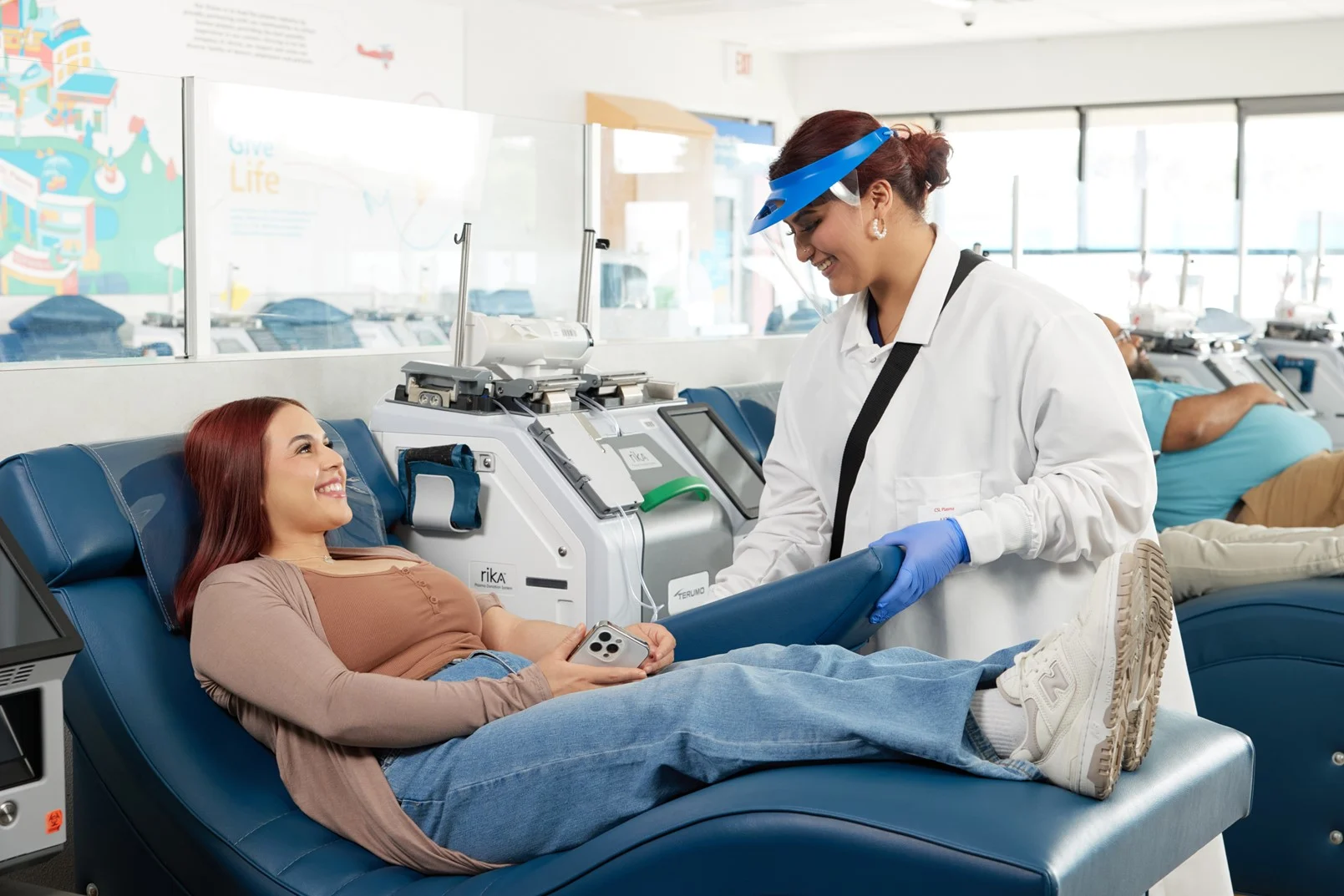
Understanding Plasma Donation as a Positive Personal Experience
For many people, the decision to donate plasma starts with curiosity. They may have seen a donation center nearby, heard about the process from someone they know, or simply wanted to learn more about how plasma donation works. While any new experience can feel unfamiliar at first, understanding the process ahead of time can help make the first visit feel simple, comfortable, and rewarding.
Plasma donation is a structured process designed around donor safety, convenience, and comfort. From completing a health screening to relaxing during the collection process, donors receive guidance at each stage of their appointment. Many first-time donors discover that the experience is easier than they expected and can fit naturally into their regular schedule.
Unlike whole blood donation, plasma donation focuses on collecting the liquid portion of blood while returning other components, including red blood cells, back to the donor. This process allows eligible individuals to donate more frequently than they typically could with whole blood donation. Learning how plasma donation works helps new donors feel prepared and confident before arriving for their first appointment.
What Makes Plasma Different From Other Types of Donation
Plasma is the liquid component of blood that carries important proteins, nutrients, hormones, and other substances throughout the body. Because of its unique properties, collected plasma is used for a variety of medical and therapeutic purposes. The body naturally replaces plasma over time, which is why qualified donors may be able to participate regularly when following recommended guidelines.
The donation process is designed to collect plasma while helping donors maintain their own health. Donation centers use screening procedures to confirm eligibility and provide instructions that support a comfortable visit. Understanding these steps allows donors to feel more involved in the process and appreciate how a simple appointment can become a consistent personal routine.
Preparing for a Comfortable and Successful Donation Visit
A positive plasma donation experience often begins before stepping into the donation center. Simple preparation habits can help donors feel their best and make the appointment go smoothly. Getting enough rest, eating properly, and staying hydrated are all practical steps that can support the body before and after donation.
For individuals interested in plasma donations in Salt Lake City, preparation can make the process feel more approachable and predictable. Taking a few minutes to learn about eligibility requirements and appointment expectations can remove many common concerns that first-time donors have. When people arrive feeling informed and ready, they are often more comfortable throughout the entire experience.
Building Healthy Habits Before Your Appointment
Nutrition and hydration are two important parts of preparing for plasma donation. Eating a balanced meal before an appointment can help maintain energy levels and support the body during the collection process. Foods that include protein, iron, and other nutrients can be a helpful part of a regular diet, especially for individuals who plan to donate consistently.
Hydration is also an important factor because plasma contains a large amount of water. Drinking enough fluids before and after donation can support circulation and help donors feel more comfortable. Many regular donors find that preparing for appointments encourages them to pay closer attention to simple wellness habits that benefit their everyday life.
What to Expect During Your First Plasma Donation Appointment
Knowing what happens during a plasma donation visit can make the experience feel much less intimidating. Most appointments begin with registration, a health questionnaire, and a screening process to confirm that donation is appropriate based on current health information. These steps are designed to protect donors and ensure that collected plasma meets quality standards.
After the screening process, donors are guided through the collection portion of the appointment. Specialized equipment separates plasma from other blood components while returning the remaining components back to the donor. During this time, many people choose to relax, listen to music, read, or enjoy a quiet break from their normal routine.
A Step-by-Step Look at the Donation Process
The plasma donation process is designed to be straightforward and organized. After checking in, donors complete required paperwork and meet with trained staff who answer questions and explain what will happen next. Once the collection begins, donors can usually sit comfortably while the equipment performs the separation process.
Many first-time donors are surprised by how relaxed the appointment can feel. Donation centers focus on creating an environment where people feel informed and supported throughout their visit. After the collection is complete, donors receive guidance about post-donation care and can return to their regular activities based on how they feel.
Making Plasma Donation Part of a Regular Routine
One reason many people continue donating plasma is because it can become an organized part of their schedule. Modern life is busy, and finding routines that fit around work, family, and personal commitments is important. A planned donation appointment can become a manageable activity rather than something that feels like a major interruption.
Regular donors often develop their own strategies for making appointments convenient. Some prefer donating during specific days of the week, while others schedule visits around their existing responsibilities. Finding a routine that works personally can make the experience more enjoyable and easier to maintain over time.
Finding a Donation Schedule That Fits Your Lifestyle
Creating a consistent schedule can help donors stay organized and make appointments easier to manage. Many donation centers offer scheduling options that allow individuals to plan visits in advance. This flexibility can be especially helpful for people who want to incorporate donation into their regular monthly routines.
Over time, donors often become more familiar with how their bodies respond and what preparation methods work best for them. Paying attention to hydration, nutrition, and rest can help create a more comfortable experience. These small habits can turn plasma donation into a positive routine built around personal awareness and preparation.
Common Questions New Plasma Donors Ask
Trying something new often comes with questions, and plasma donation is no different. Many first-time donors want to understand how long appointments take, what requirements they need to meet, and how their body may feel afterward. Having clear answers can make the decision to donate feel much easier.
Donation centers provide guidelines to help individuals understand the process before they begin. Requirements can vary depending on personal health history, age, weight, and other factors. Speaking with trained staff is one of the best ways to get accurate information and determine whether plasma donation is a good personal fit.
How Often Can Someone Donate Plasma?
The frequency of plasma donation depends on health guidelines and individual circumstances. Because the donation process returns certain blood components to the donor, eligible individuals may be able to donate more frequently than with other types of blood donation. However, following recommended limits is important for maintaining personal health and supporting a positive donation experience.
Regular donors often learn how to plan appointments around their lifestyle and recovery needs. Listening to the body and following donation center recommendations helps ensure that each visit remains comfortable. Consistency is important, but maintaining overall wellness should always remain the priority.
Supporting Your Body After Plasma Donation
After completing a plasma donation appointment, most people are able to continue with their normal day. Some donors prefer to take a short break afterward, while others return to work or daily activities without difficulty. Paying attention to how the body feels and following aftercare recommendations can help support a comfortable recovery.
Simple steps can make the hours after donation easier. Drinking fluids, eating a nutritious meal, and avoiding overly demanding activities immediately afterward are common recommendations. Many donors appreciate that the recovery process is manageable and can easily become part of their overall routine.
Creating a Positive Post-Donation Routine
A good post-donation routine helps donors feel prepared for future appointments. Some people keep a water bottle nearby, plan a balanced meal, or schedule donation visits at times when they have flexibility afterward. These small adjustments can make each experience feel more predictable.
Over time, many donors discover what works best for their own comfort. Some may prefer quiet time after an appointment, while others continue with their normal schedule. Understanding personal preferences can help create a donation experience that feels convenient and sustainable.
Choosing a Donation Center That Supports Donors
The environment where someone donates plasma can have a major impact on the overall experience. A professional, organized donation center with knowledgeable staff can help people feel comfortable from the moment they arrive. Clear communication and a welcoming atmosphere are important parts of building trust with donors.
Today’s donation centers focus on making appointments efficient while maintaining a positive experience. Comfortable seating, trained professionals, and streamlined procedures help reduce uncertainty and allow donors to focus on the process. These details can make a significant difference, especially for people donating for the first time.
Why Education and Communication Matter
Donor education is an important part of creating confidence. When people understand what to expect, they are more likely to arrive prepared and feel comfortable asking questions. Good information helps donors make informed choices and understand how plasma donation fits into their personal goals.
Donation centers often provide guidance about preparation, eligibility, and aftercare. These resources help create a smoother experience before, during, and after appointments. A well-informed donor is better prepared to enjoy the process and decide whether regular donation is right for them.
Taking the First Step Toward Plasma Donation
Starting a new routine becomes easier when people have the right information. Plasma donation does not require complicated preparation, but small steps like staying hydrated, eating well, and learning about the process can create a better experience. For many donors, the first appointment is simply an opportunity to discover something new.
Whether someone donates once or chooses to become a regular donor, preparation and confidence play an important role. Understanding the process allows individuals to approach their appointment with realistic expectations and a positive mindset. Plasma donation can become a simple, organized part of a person’s routine while providing an opportunity to contribute in a meaningful way.
