


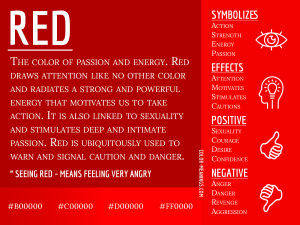
Is Red a Positive or Negative Color? Red is a color that carries strong meanings across various fields, from psychology and culture to electrical applications. In human emotions, red symbolizes passion, love, and intensity, while in warnings, it signals danger and urgency.
The color red influences decision-making, marketing strategies, and even political movements. In electrical systems, the meaning of red varies, often representing a positive (hot) wire in DC circuits and sometimes a live wire in AC systems.
Understanding the dual nature of red helps in different areas, ensuring correct interpretations, whether in wiring, branding, or fashion. Since red has a significant role in various aspects of life, determining whether it is positive or negative depends on the context and interpretation.
The Positive Meanings of Red

- Symbolism of red in love, passion, and energy
Red is often associated with romance, desire, and strong emotions. It symbolizes excitement, confidence, and drive, making it a powerful color in relationships and motivation. - How red represents power, leadership, and motivation
In leadership and branding, red conveys authority, determination, and action. Many companies use red to attract attention and create a sense of urgency, influencing customers’ choices.
The Negative Meanings of Red
- Associations with danger, warning, and aggression
Red is commonly used in warning signs, stop signals, and hazard labels. It can evoke strong emotions like anger, stress, and aggression, making it a cautionary color in different scenarios. - How red can trigger stress and urgency in different contexts
Red can increase heart rate and alertness, leading to feelings of pressure or unease. In high-stress environments, excessive red can cause agitation, making it necessary to use in moderation.
Is Red Positive or Negative in Electrical Wiring?
- Standard electrical color coding in different countries
Electrical wiring follows specific color codes based on regulations in each country. In DC circuits, red is typically the positive wire, while in AC systems, its role varies. - Red as a positive (hot/live) wire in DC circuits
In most DC electrical systems, red is used for the positive terminal, while black represents the negative. Understanding this distinction prevents electrical hazards and system failures.
Red in AC vs. DC Electrical Systems
- Use of red in DC circuits (positive terminal)
In DC wiring, red almost always represents positive voltage, ensuring proper power flow and preventing reversed polarity. - Role of red in AC wiring (live wire in older systems)
In some AC systems, red is used as a live wire, especially in older installations. However, newer wiring codes may use other colors for phase identification.
Red Wire in Car Batteries and Electronics
- Red as the positive terminal in car batteries
Car batteries follow a universal color code, where red indicates the positive terminal, ensuring correct connections for charging and operation. - Importance of correct wiring in automotive and electronic systems
Incorrect wiring in vehicles and electronics can cause short circuits, electrical fires, or system malfunctions, emphasizing the importance of identifying red wires correctly.
The Danger of Misidentifying Red Wires
- Safety concerns with electrical wiring mistakes
Connecting a red wire incorrectly can lead to electrical damage, shocks, or fire hazards. Proper labeling and awareness are crucial to prevent accidents. - How electricians distinguish between red and other wires
Electricians use color codes, voltage testers, and schematics to ensure the red wire is connected properly, avoiding confusion with neutral or ground wires.
Red in International Electrical Standards

| Country | Red Wire Meaning |
| USA | Used as hot/live wire in older systems |
| UK | Previously live, now replaced by brown |
| EU | Not commonly used, replaced by brown/black |
| India | Used for live wires in older systems |
The Use of Red in Emergency and Safety Systems
- Red in fire alarms, emergency stop buttons, and warning lights
Red is universally used in emergency equipment, such as fire alarms, stop buttons, and sirens, indicating urgency and immediate action. - Why red is chosen for high-risk and hazardous areas
Because red is highly visible and attention-grabbing, it is used to mark dangerous areas, fire exits, and emergency signals for quick recognition.
Red in Technology and Circuit Boards
- How red wires are used in power supply connections
In electronics, red wires typically carry positive voltage, ensuring correct connections in power supply units and circuit boards. - Importance of color coding in complex electrical systems
Using red in circuits helps distinguish between positive and negative wires, preventing confusion and ensuring safe and functional designs.
Common Mistakes and How to Avoid Them

- Misinterpreting red as ground or neutral
In some systems, red might be confused with other wires, leading to connection errors. Verifying with a multimeter ensures proper identification. - Best practices for handling and identifying red wires
Labeling, following wiring diagrams, and using insulation tape prevent miswiring and potential hazards in electrical installations.
Red in Psychology and Emotions
Red is a powerful color that evokes strong emotions and psychological responses. It can stimulate excitement, passion, and energy, making it a go-to choice for brands and environments meant to grab attention. Studies show that red can increase heart rate and blood pressure, leading to heightened alertness and readiness.
Because of this, it’s often linked to love, aggression, and urgency. In psychological experiments, people exposed to red tend to take risks and make quicker decisions. It can also trigger hunger and appetite, which is why restaurants like McDonald’s and KFC use red in their branding.
However, excessive exposure to red may cause stress, anxiety, and even aggression in certain situations. Understanding its psychological effects helps in designing environments that balance its stimulating nature with a sense of comfort.
Red in Different Cultures and Beliefs
Red carries different meanings across cultures. In China, India, and many Asian countries, red represents luck, prosperity, and joy. It is often seen in weddings, festivals, and traditional ceremonies. In contrast, in Western cultures, red is frequently associated with danger, warnings, and caution.
It appears on stop signs, hazard labels, and emergency signals to alert people to potential risks. In some African cultures, red symbolizes life and death, used in mourning and spiritual rituals. Meanwhile, in Russia and other Eastern European nations, red has historically represented revolution and power, deeply tied to communism and socialism.
These cultural differences highlight how red can convey both positive and negative meanings depending on context and tradition. Understanding these associations ensures respectful and effective use of the color worldwide.
The Use of Red in Marketing and Branding

Red is one of the most powerful colors in marketing, widely used to capture attention, create urgency, and drive action. Studies show that red stimulates the appetite, which is why major food brands like Coca-Cola, McDonald’s, and KFC incorporate it in their logos. It also represents speed, excitement, and passion, making it a common choice for brands like Netflix, YouTube, and Ferrari.
Red is often used in sales and clearance signs because it creates a sense of urgency and importance. In digital marketing, red buttons tend to have higher click-through rates than other colors, making them effective for calls to action (CTAs). However, red must be used strategically.
Overuse can create a sense of aggression or overwhelm. A balanced approach ensures that red boosts engagement without overpowering the audience.
Red in Science and Nature
In physics, red is at the lower end of the visible light spectrum, with the longest wavelength and lowest energy. This allows it to travel longer distances and remain visible in fog, smoke, and low-light conditions. That’s why traffic lights, warning signs, and emergency signals are red. In nature, red serves as a powerful warning color.
Many toxic animals, like poison dart frogs and certain snakes, have red markings to deter predators. Similarly, red is used in flowers and fruits to attract pollinators and animals for seed dispersal. In astronomy, red stars are cooler than blue stars, but they are often older and more evolved. The presence of red in nature and science showcases its importance in survival, visibility, and attraction across different environments.
Red in Religion and Spirituality
Red holds deep spiritual and religious significance in many cultures. In Christianity, red is associated with the blood of Christ, sacrifice, and the Holy Spirit. It is commonly seen in church robes, religious festivals, and biblical references. In Hinduism, red symbolizes purity, fertility, and power, often worn by brides and used in sacred ceremonies.
In Islam, red is linked to martyrdom and strength, frequently appearing in flags and religious decorations. Many Buddhist temples feature red to represent life force and protection. Throughout history, red has been used in rituals, sacrifices, and divine representations, making it one of the most spiritually significant colors worldwide.
Red in Traffic Signs and Safety Warnings
Red is the universal color for warnings and safety alerts. Stop signs, traffic lights, and hazard warnings use red because it is highly visible and associated with danger. Studies show that red activates the brain’s fear response, making it an effective color for preventing accidents and ensuring compliance.
The use of red in fire alarms, emergency buttons, and high-voltage warnings helps people react quickly in crises. Unlike other colors, red remains visible in fog, smoke, and low-light conditions, making it ideal for high-risk areas. Its role in public safety and emergency systems proves why it is an essential life-saving color in modern society.
Red in Politics and Social Movements
Red has long been associated with political power, revolution, and activism. In communist and socialist movements, red symbolizes the working class, resistance, and strength. Countries like China, the Soviet Union, and Cuba have used red in their flags to represent unity and revolution.
In the United States, red is linked to conservatism and the Republican Party, while in other regions, it represents radical change. Protesters often wear red to show solidarity and defiance. From historical revolutions to modern activism, red has remained a symbol of political intensity and movement.
Red in Fashion and Personal Expression
Red is one of the most powerful colors in fashion, often associated with confidence, attraction, and boldness. Studies suggest that wearing red enhances perceived attractiveness and dominance, making it a popular choice for dates, interviews, and public appearances.
In the fashion industry, red is used to make statements, exude power, and create striking looks. Designers incorporate red in luxury fashion, sportswear, and evening wear to command attention and influence perceptions. Whether in clothing, accessories, or makeup, red remains a timeless and expressive color in the world of fashion.
Frequently Asked Questions about Is Red Positive or Negative
Is red always positive in wiring?
Not always. In DC systems, red is usually positive, but in AC wiring, it can be live or switched.
Can red be a negative wire in any system?
Rarely, but in some older wiring setups, red may be used for switched circuits instead of positive connections.
Why is red used in electrical wiring?
Red is chosen for visibility, clarity, and standardized wiring practices in various electrical systems.
Does red always mean danger?
Not necessarily. While red signifies warnings, it also represents power, love, and leadership in different contexts.
Is red positive or negative in car batteries?
Red is positive, while black is negative, ensuring correct battery connections in vehicles.
Why do companies use red in branding?
Red grabs attention, creates urgency, and enhances energy, making it popular in marketing and advertising.
Is red a lucky color?
In Chinese culture, red symbolizes luck and prosperity, while in Western cultures, it often represents power and excitement.
Conclusion of Is Red Positive or Negative
Red is a powerful and versatile color, carrying both positive and negative meanings depending on its use. In wiring, it typically represents positive voltage, while in culture, it symbolizes passion, leadership, and danger.
Understanding red’s significance in psychology, safety, and electrical applications is crucial for correct interpretation. Whether it’s in branding, circuit boards, or fashion, red remains one of the most impactful colors across different aspects of life.
