

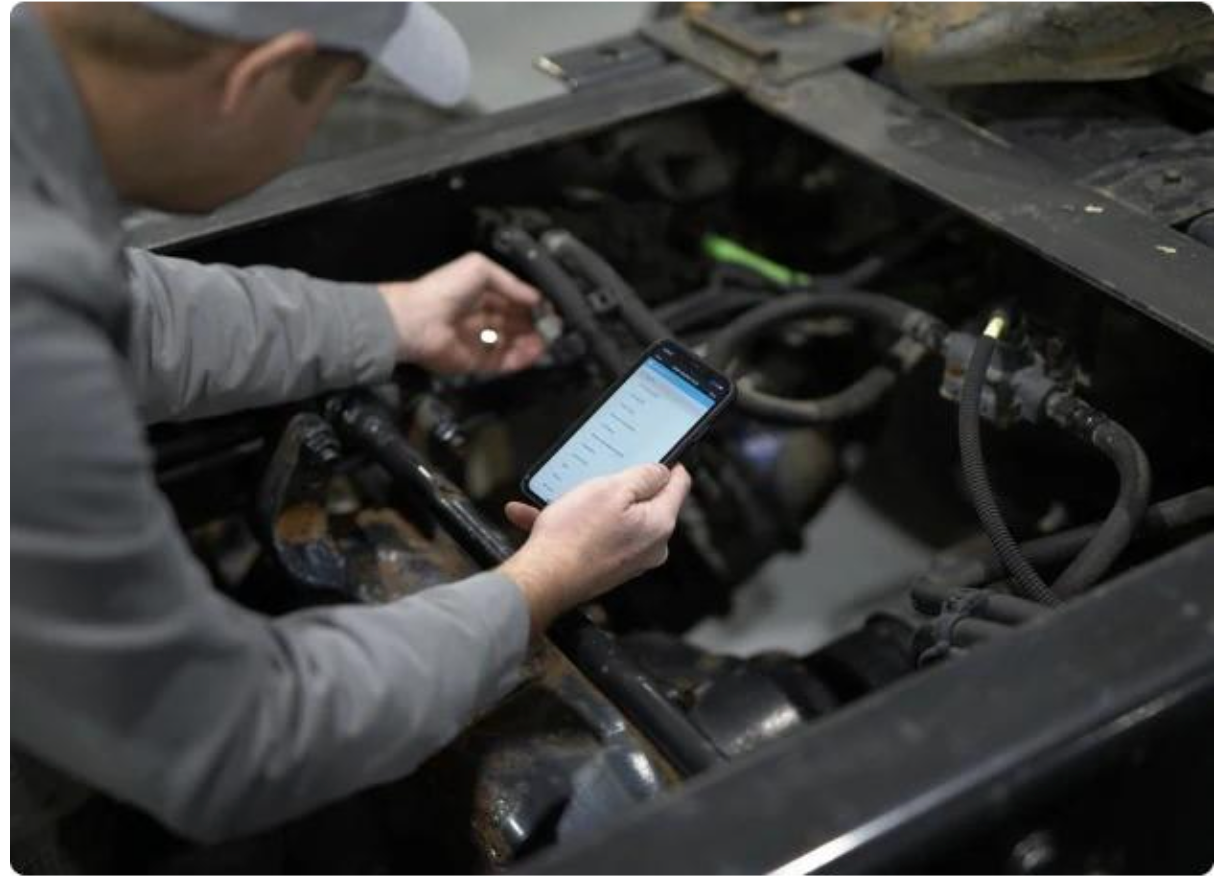
Managing a fleet of vehicles can be challenging. It involves monitoring each vehicle’s performance, addressing any issues quickly, and ensuring everything runs smoothly.
Fleet diagnostic technology experts are essential in keeping fleets efficient and safe. These experts use advanced tools to gather data on vehicles, which helps businesses make informed decisions and improve overall performance.
Let’s explore the role of these experts and how they help optimize fleet operations.
What is Fleet Diagnostic Technology?
Fleet diagnostic technology includes tools and systems that monitor fleet vehicles’ performance. These technologies track important aspects like engine health, fuel efficiency, and driving behaviour. By analyzing this data, businesses can identify problems early, predict when maintenance is needed, and improve their fleet’s overall efficiency.
With fleet diagnostic technology, businesses can:
Track the health of vehicles
With fleet diagnostic tools, businesses can continuously monitor vehicle health, ensuring early detection of irregularities that could lead to major repairs or downtime.
Detect potential issues before breakdowns
Predictive analytics can identify patterns in vehicle performance, helping businesses schedule preventive maintenance before issues escalate into costly breakdowns.
Improve fuel efficiency and reduce emissions
By monitoring driving behaviour and vehicle systems, fleets can optimize routes, reduce fuel consumption, and minimize emissions, contributing to cost savings and sustainability goals.
Monitor driver safety by tracking driving habits
Real-time data analysis allows businesses to evaluate driving habits such as speeding, harsh braking, or acceleration, enabling safety interventions to reduce accidents and promote safe driving practices.
The Role of Fleet Diagnostic Technology Experts
Fleet diagnostic experts are key to ensuring that fleet management systems work effectively. They know how to interpret diagnostic data and give valuable advice, which is vital in keeping fleets running at their best.
Vehicle Diagnostics and Maintenance Planning
Experts analyze the data to spot when a vehicle needs maintenance. They monitor engine performance and other vital systems. By predicting when repairs are needed, they help prevent unexpected breakdowns and high repair costs.
Optimizing Fleet Performance
These experts look for ways to improve fleet operations. They identify areas where fuel use can be reduced, vehicle use can be increased, and routes can be optimized. This allows businesses to save costs and boost productivity.
Ensuring Regulatory Compliance
Experts make sure that vehicles meet safety and environmental regulations. They check things like emissions and safety systems to ensure that everything is up to standard. This helps avoid legal issues and promotes environmentally friendly practices.
Training and Support
Fleet Diagnostic Technology Experts often train fleet managers and drivers. They teach them how to use diagnostic tools and read the data correctly. Experts also provide support to fix any technical problems that might come up.
Strategies for Smarter Fleet Management
Continuous improvement is critical for optimizing fleet management and producing better results. By adopting strategic approaches and with the guidance of innovators in fleet performance solutions, businesses can ensure smooth and efficient operations. Here are some key strategies to improve fleet management:
Set Clear Objectives
The first step toward better fleet management is to establish clear goals. These objectives could include reducing fuel consumption, improving driver safety, or lowering maintenance costs.
Defining these goals helps create a clear path to better fleet performance and guides decisions throughout the process.
Embrace Technology
Adopting technology is one of the most effective ways to improve fleet management. Fleet management software and telematics systems streamline operations and provide valuable data.
These technologies offer insights into vehicle location, fuel consumption, and maintenance needs.
Fleet Maintenance Program
A strong fleet maintenance program is crucial for preventing breakdowns and costly repairs. Regular inspections, preventive maintenance schedules, and quick repair procedures should be part of a comprehensive program.
When maintenance is consistently performed, businesses can avoid unexpected costs.
Benchmarking
Benchmarking is an effective strategy for identifying areas for improvement. By comparing your fleet management operations to industry standards and successful organizations, you can uncover best practices.
Attending industry conferences, joining professional associations, and networking with other fleet managers allows for knowledge sharing and learning from others’ experiences.
Conclusion
Managing a fleet requires a combination of advanced technology, expert insights, and continuous improvement strategies. Fleet diagnostic technology experts play a crucial role in optimizing fleet performance, ensuring safety, reducing operational costs, and enhancing regulatory compliance.
Working with trusted innovators like KINECT’D ensures that businesses can streamline operations and keep the fleets running at their best. Their mission in vehicle diagnostics to optimize fleet operations ensures that businesses remain competitive and cost-effective.
