

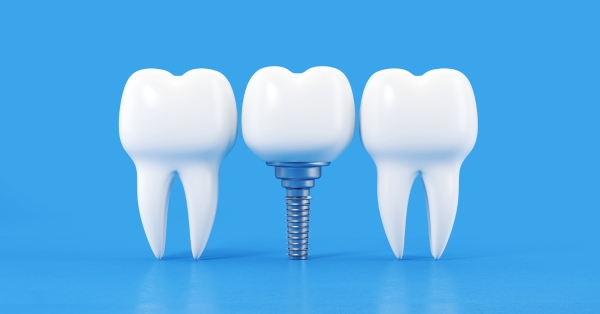
Dental implants have emerged as a revolutionary solution for those seeking to replace missing teeth. Their growing popularity is not just a fad but a reflection of the myriad benefits they offer compared to traditional dental solutions. Here are five key factors driving the popularity of dental implants.
1. Superior Aesthetics and Functionality
Dental implants are renowned for their ability to mimic the natural appearance and functionality of real teeth. Unlike dentures, which can sometimes appear artificial and may slip out of place, dental implants are designed to integrate seamlessly with the jawbone. This integration, known as osseointegration, allows implants to function like natural teeth, providing stability and strength.
The materials used in dental implants, such as titanium for the post and high-quality ceramics for the crown, ensure that they look and feel like natural teeth. This aesthetic appeal is a significant factor for patients who want their dental restorations to be indistinguishable from their original teeth.
2. Longevity and Durability
One of the most compelling reasons for the popularity of dental implants is their longevity. With proper care, dental implants can last a lifetime, making them a cost-effective solution in the long run. Traditional dental bridges and dentures typically need to be replaced every 5 to 15 years, which can be both inconvenient and costly.
Dental implants are made from durable materials that resist decay and other dental issues. Titanium, used for the implant post, is biocompatible and resistant to wear and corrosion. The crowns are often made from robust materials like zirconia or porcelain, which are not only durable but also aesthetically pleasing.
3. Improved Oral Health
Dental implants play a crucial role in maintaining and improving oral health. Unlike dental bridges, which require the reduction of adjacent teeth for support, implants are independent and do not affect neighboring teeth. This preservation of natural tooth structure is a significant advantage.
Moreover, dental implants help prevent bone loss, a common issue with missing teeth. When a tooth is lost, the jawbone can begin to deteriorate due to the lack of stimulation. Dental implants provide the necessary stimulation to the jawbone, helping to maintain bone density and preventing the sunken appearance that can occur with long-term tooth loss.
4. Enhanced Comfort and Convenience
Comfort and convenience are major factors contributing to the popularity of dental implants. Since implants are securely anchored in the jawbone, they eliminate many of the discomforts associated with dentures. There is no need to worry about implants slipping or causing sore spots in the mouth.
Dental implants also simplify oral hygiene. Unlike dentures, which require special cleaning solutions and routines, dental implants can be cared for just like natural teeth. Regular brushing, flossing, and dental check-ups are all that is needed to maintain their condition. This ease of maintenance makes dental implants a preferred choice for many patients.
5. High Success Rate
Dental implants boast a high success rate, typically around 95-98%, making them one of the most reliable dental procedures available. This high success rate is due to advancements in dental technology, materials, and surgical techniques.
Patients undergoing implant surgery can be confident in the outcomes, knowing that the procedure is well-established and backed by a substantial body of research. Additionally, dental professionals are continually improving their methods, which further enhances the success and longevity of implants.
Conclusion
The popularity of dental implants is no accident. Their superior aesthetics, durability, oral health benefits, comfort, and high success rate make them an ideal choice for individuals looking to replace missing teeth. For those interested in exploring dental implants further, the extensive selection and quality assurance at Wholedent – Shop dental implants provide an excellent starting point. Whether you are a dental professional or a patient, understanding these benefits can help make an informed decision about dental implants.
