

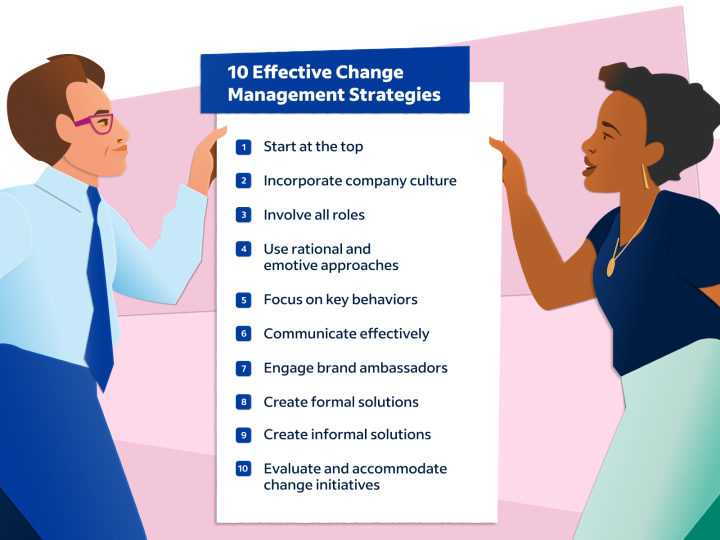
In today’s rapidly evolving business landscape, change is inevitable. Whether driven by technological advancements, market dynamics, or internal organizational shifts, the ability to effectively manage change is critical for any business striving to stay competitive. Change management involves a structured approach to transitioning individuals, teams, and organizations from a current state to a desired future state. Here, we explore key strategies for navigating change management and successfully adapting to a dynamic business environment.
Understanding the Need for Change
The first step in effective change management is understanding why change is necessary. This involves identifying both external and internal drivers of change, such as shifts in market conditions, technological innovations, regulatory updates, or organizational restructuring. By clearly understanding and communicating the reasons for change, businesses can build a compelling case that garners the support and commitment of stakeholders at all levels.
Christopher Linton, CEO of Lonestar Labor Management, emphasizes the importance of transparency when explaining the need for change. “Clear communication about why change is happening and how it benefits the organization helps in reducing resistance and gaining buy-in from employees,” he says.
Effective Communication
Communication is the cornerstone of successful change management. Keeping everyone informed through clear, consistent, and honest communication helps alleviate uncertainties and builds trust. Leaders should outline the objectives, expected outcomes, and potential impacts of the change, ensuring that employees understand how their roles will be affected. Regular updates and open forums for discussion can also help address concerns and provide clarity.
Effective communication isn’t just about disseminating information; it’s also about listening. Encouraging feedback from employees and addressing their concerns can foster a sense of involvement and ownership, making the transition smoother.
Empowering Employees
Empowering employees to participate in the change process can significantly enhance the success of change initiatives. This can be achieved by involving employees in planning and decision-making, soliciting their input, and giving them a sense of control over the changes that affect their work. Providing the necessary resources and support, such as training programs and development opportunities, can also help employees acquire the skills and knowledge needed to adapt to new roles and processes.
Providing Training and Development
Change often requires new skills and competencies. Organizations must invest in training and development to ensure employees are well-equipped to handle new challenges. Tailored training programs, workshops, and continuous learning opportunities can help bridge skill gaps and boost confidence. Christopher Linton, Alabama, highlights the importance of ongoing development, stating, “Continuous training not only prepares employees for current changes but also fosters a culture of learning and adaptability, which is crucial in a dynamic business environment.”
Monitoring and Evaluating Progress
To ensure that change initiatives are on track and achieving desired outcomes, organizations need to establish key performance indicators (KPIs) and regularly monitor progress. This involves setting clear benchmarks, tracking metrics, and evaluating the effectiveness of change strategies. Regular reviews and assessments can help identify any issues early on, allowing for timely adjustments and refinements to the change management plan.
Fostering a Culture of Adaptability
A resilient and adaptable organizational culture is essential for navigating change successfully. Leaders should encourage a mindset that views change as an opportunity for growth rather than a threat. This can be achieved by recognizing and rewarding flexibility, innovation, and the willingness to embrace new ideas. Creating an environment where employees feel safe to experiment and learn from failures can also enhance adaptability.
Seeking Feedback and Continuous Improvement
Soliciting feedback from employees, customers, and other stakeholders is vital for continuous improvement. Feedback mechanisms such as surveys, focus groups, and suggestion boxes can provide valuable insights into the effectiveness of change initiatives. By actively seeking and acting on feedback, organizations can make informed adjustments and continuously improve their change management processes.
Conclusion
Navigating change management in a dynamic business environment requires a strategic and multifaceted approach. Understanding the need for change, effective communication, empowering employees, providing training and development, monitoring progress, fostering a culture of adaptability, and seeking continuous feedback are all critical components of a successful change management strategy. By implementing these strategies, organizations can not only adapt to change more effectively but also thrive in an ever-evolving landscape.
