

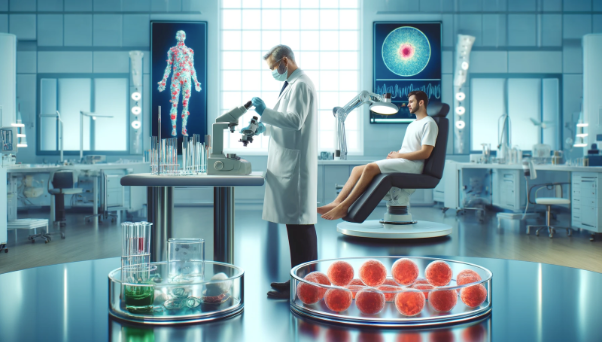
In the evolving world of medicine, few advancements have generated as much excitement as stem cell therapy. This groundbreaking approach can transform how we treat various conditions, offering hope where traditional treatments may have fallen short. But what exactly is stem cell therapy, and why is it causing such a stir in the medical community?
Let’s dive into the benefits of this revolutionary treatment and explore how it can change lives.
What are Stem Cells?
Stem cells are the body’s raw materials, capable of developing into many different cell types. They can divide and renew themselves, offering a renewable source of replacement cells for damaged tissues. This unique ability makes them incredibly valuable for medical treatments.
How Does Stem Cell Therapy Work?
Stem cell therapy involves using powerful cells to repair or replace damaged tissues and organs. The process typically includes harvesting stem cells from the patient or a donor, processing them, and injecting them into the affected area. The goal is to use traditional methods to stimulate the body’s repair mechanisms to heal tissues that are beyond repair.
Benefits of Stem Cell Therapy
1. Regenerative Potential
One of stem cell therapy’s most significant benefits is its regenerative potential. Unlike conventional treatments that focus on managing symptoms, stem cell therapy aims to address the root cause of the problem by repairing damaged tissues. This can lead to long-lasting improvements and, in some cases, complete recovery.
2. Reduced Inflammation and Pain
Chronic inflammation is common in many degenerative diseases, contributing to pain and tissue damage. Stem cell therapy has been shown to reduce inflammation, which can alleviate pain and promote healing. This makes it an attractive option for conditions like arthritis, where inflammation plays a central role.
3. Improved Function and Mobility
Stem cell therapy can significantly improve function and mobility for patients with joint, muscle, or spinal injuries. By regenerating damaged tissues, patients may experience enhanced strength and flexibility, allowing them to return to normal activities more efficiently.
4. Minimal Risk of Rejection
When stem cells are harvested from the patient’s body (autologous stem cell therapy), the risk of rejection is virtually eliminated. This makes the procedure safer than treatments that rely on foreign tissues or organs, which the body might reject.
Applications of Stem Cell Therapy
1. Orthopedic Conditions
In orthopedics, stem cell therapy is widely used to treat injuries and degenerative conditions affecting the bones, joints, and muscles. It has shown promising results in treating osteoarthritis, tendon injuries, and spinal cord damage.
2. Cardiovascular Diseases
Researchers are exploring using stem cells to repair heart tissue damaged by heart attacks or chronic heart disease. Early studies suggest that stem cell therapy could improve heart function and reduce the need for more invasive procedures.
3. Neurological Disorders
Stem cell therapy holds potential for treating neurological conditions such as Parkinson’s disease, Alzheimer’s disease, and stroke. Regenerating brain cells and neural connections may offer new hope for patients with these challenging conditions.
Stem cell therapy represents a significant advancement in medical science, offering a range of benefits from tissue regeneration to pain relief. As research continues, its applications are expected to expand, bringing new hope to patients with previously untreatable conditions. If you’re considering this innovative treatment, exploring options like stem cell therapy in Tampa or visiting the Tampa Stem Cell Clinic could be the first step towards a healthier future.
