

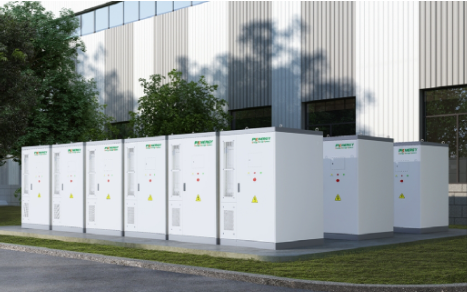
In the realm of renewable energy solutions, the importance of batteries for solar systems cannot be underestimated, especially when it comes to both residential and commercial applications. The choice of battery can significantly impact the efficiency and effectiveness of a solar energy system. For commercial entities looking into sustainable energy solutions, a commercial energy storage system plays a pivotal role in ensuring energy reliability, optimizing electricity costs, and contributing to environmental sustainability. These systems are designed to manage energy load and storage capabilities on a larger scale, making them an essential component of modern energy infrastructure. In this article, we will explore the best batteries for solar systems in both residential and commercial use.
Residential Solar Batteries
For homeowners, residential solar batteries are vital components of a complete home energy system. These batteries store excess electricity generated by solar panels during sunny days and provide backup power during outages or periods of low sunlight. Homeowners have various options to choose from, including lithium-ion, lead-acid, and saltwater batteries.
Lithium-Ion Batteries
Lithium-ion batteries are the most popular choice for residential solar systems due to their high energy density and long lifespan. They are lightweight, compact, and have a low self-discharge rate. Additionally, they can be discharged up to 90% without affecting their performance, making them highly efficient. Some popular lithium-ion batteries for residential use include the Tesla Powerwall, LG Chem RESU, and SonnenBatterie Eco.
Lead-Acid Batteries Overview
Lead-acid batteries have served off-grid solar systems effectively for many years and remain a dependable choice for homeowners. While they offer affordability and a prolonged lifespan with proper care, they are bulkier and heavier than lithium-ion batteries. Additionally, their depth of discharge is limited to 50%. Noteworthy lead-acid battery models include the Trojan T-105, Rolls Surrette S-530, and U.S. Battery US2200XC.
Saltwater Batteries
Saltwater batteries are a newer technology in the world of solar energy storage. They use a saline solution as an electrolyte, making them non-toxic and more environmentally friendly than other battery types. They also have a long lifespan and can be discharged up to 100%. However, they are still relatively new to the market, so there are limited options available for residential use.
Commercial Solar Batteries
For commercial entities, a robust and reliable energy storage system is crucial to ensure smooth operations. These systems must be able to handle high power demands and have advanced capabilities for load management and peak shaving. Here are some of the best batteries for commercial solar systems:
Flow Batteries
Flow batteries use liquid electrolytes that can be stored in large tanks, making them ideal for large-scale commercial applications. They have a longer lifespan than traditional batteries and can be discharged at 100%. Some popular options include the Vanadium Redox Battery (VRB) and Zinc Bromide Flow Battery.
Liquid Metal Batteries
Liquid metal batteries are another option for commercial solar energy storage with their high energy density and long lifespan. They use molten metals as electrodes, making them highly efficient and able to handle high power demands. The Ambri battery is a well-known liquid metal battery option for commercial use.
Sodium-Ion Batteries
Sodium-ion batteries are a more recent addition to the world of commercial energy storage systems. They have similar characteristics to lithium-ion batteries but use sodium ions instead, making them more cost-effective and potentially more eco-friendly. Some popular options include the Aquion Aspen battery and NGK’s Sodium Sulfur battery.
Conclusion
Choosing the right batteries for solar systems is crucial for both residential and commercial applications. It is essential to consider factors such as energy density, lifespan, discharge capabilities, and cost when making a decision. As technology continues to advance, we can expect to see even more innovative battery options for solar energy storage in the future. Ultimately, the right choice of batteries will play a significant role in maximizing the benefits of renewable energy and contributing to a more sustainable future. So, it is important to carefully research and consider all options before making a decision on which battery type is best for your specific solar energy needs. With the right batteries, you can be sure to get the most out of your solar system and contribute towards a cleaner and greener world. So, don’t hesitate to invest in high-quality batteries for your solar energy system today! Happy sustainable living!
