

Looking for a strong, versatile material that doesn’t sacrifice on weight? Dibond may be your answer. Used for everything from sleek corporate signage to complex architectural projects, this aluminum composite material is prized for its durability and ease of use. In this guide, we dive into how Dibond could benefit your next project without the added bulk, exploring its applications, and environmental considerations.
Key Takeaways
- Dibond is a lightweight yet durable material made up of two aluminum sheets enveloping a polyethylene core, known for its high strength-to-weight ratio and versatility, suitable for both indoor aesthetics and outdoor durability.
- The material is suitable for a wide array of applications such as signage, branding, interior design, and exhibitions because of its smooth surface suitable for digital printing, resistance to environmental wear, and its ability to be shaped and customized.
- Dibond is also environmentally conscientious with a 100% recyclable composition and Class A fire rating, offering both lowered environmental impact and meeting safety measures for varied applications.
Understanding Dibond: Components and Characteristics
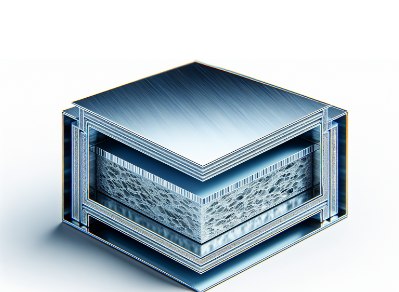
At its core, Dibond is a marvel of modern material engineering. It consists of two pre-painted aluminum sheets that are each 0.3 mm thick, providing rigidity and a stable foundation for the solid polyethylene core. The result is a material that is lightweight yet impressively strong. In fact, Dibond’s strength-to-weight ratio is one of the best in the industry, making it a preferred choice for many.
But it’s not just about the strength. Dibond is also recognized for its versatility. Its unique construction allows it to be used in a wide range of applications. Whether it’s for indoor use, where design and aesthetics might take precedence, or for outdoor applications that require durability and resistance to environmental wear, Dibond is a material that can handle it all.
But what exactly makes Dibond so versatile? Let’s delve deeper into its components to find out.
Aluminum Composite Material
When we talk about Dibond, we’re essentially talking about an aluminum composite material. This refers to a three-layer sandwich panel consisting of two aluminum sheets enveloping a polyethylene core. The aluminum layers provide rigidity and stability, while the polyethylene core contributes to the overall lightweight nature of the material.
One of the key characteristics of Dibond’s aluminum composite material, which is aluminum bonded, is its dimensional stability and flatness, making it the flattest panel in its category. This is crucial for precision in various applications, as it ensures that the material retains its shape and doesn’t deform when subjected to external stresses.
Moreover, the rigidity of Dibond ensures that it retains its shape even when subjected to environmental changes such as temperature fluctuations or humidity, making it ideal for outdoor applications due to its excellent durability.
Smooth Surface and Durability
A distinguishing feature of Dibond is its smooth surface. This is particularly beneficial for applications that require digital printing. The smooth surface allows for a high-quality finish, ensuring that the printed graphics are clear and vibrant. Furthermore, the ability to digitally print on both sides of Dibond panels increases their versatility, making them perfect for double-sided displays.
But Dibond isn’t just about providing a great canvas for printing; it’s also about making sure that the printed graphics last. Dibond material protects printed graphics from environmental wear and damage, extending the lifespan of digital and screen-printed applications. Plus, unlike real wood, Dibond panels maintain their structural integrity over time. They do not bow, exhibit oil canning, or become sensitive to humidity or temperature changes, ensuring they remain in top condition for a longer period.
Versatility in Applications
Given its unique characteristics, it’s no surprise that Dibond has found a place in a wide range of applications. Some examples include:
- Corporate office signage
- Product designs
- Shopfitting
- Interior design
- Architectural projects
Dibond is a versatile material that can cater to various needs. The eco-friendliness of Dibond, along with its durable nature, makes it an ideal material for long-lasting applications.
Moreover, Dibond’s lightweight design facilitates ease of installation and handling. Whether it’s for signage in a bustling city center or for a stunning installation at an art gallery, Dibond’s ease of handling and maintenance makes it a preferred choice. But let’s take a closer look at how Dibond is used in specific industries and applications.
Signage and Branding
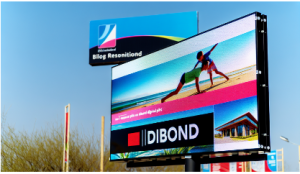
In the world of signage and branding, Dibond is a name that stands out. Thanks to its extended longevity, Dibond can endure outdoor environments for years, and indoors, it can maintain its appearance for well over a decade. This weather resistance makes Dibond an excellent choice for signs and displays that will be exposed to the elements.
But Dibond doesn’t just offer durability; it also offers flexibility. Dibond signs can range in size from small 6” x 6” boards, perfect for small business marketing materials, to large 5’ x 10’ panels, ideal for large installations. This flexibility, coupled with the choice of thickness affecting the perception of quality, allows businesses to create a consistent brand image and successful communication with customers.
Interior Design and Furniture
When it comes to interior design and furniture, Dibond truly shines. Offering brushed metal and mirror finishes, Dibond contributes to a high-quality appearance for interior design applications. Dibond even offers wood effect finishes, like walnut, wenge, and maple, adding a touch of elegance to shopfitting, store design, and furniture construction.
The versatility of Dibond doesn’t end with its finishes. Due to its easy bending properties, Dibond is ideal for crafting circular forms, pillar covers, and custom furniture. This gives it an edge over real wood or veneered chipboard. Moreover, Dibond decor panels can be routed and transported flat, then shaped on-site manually without tools, simplifying the installation process for interior designs like pillar claddings.
Exhibition Displays
Exhibition displays are another area where Dibond excels. Its lightweight yet strong characteristics make it ideal for large exhibition panels. Here are some benefits of using Dibond for trade show booths and exhibition displays:
- Easy to manage and set up
- Practical and cost-efficient transportation and installation processes
- Extended service life, enabling use across numerous events without frequent replacement
But Dibond isn’t just about practicality; it’s also about aesthetics. The extensive range of high-quality surface options enhances the aesthetic cohesion and professionalism of a brand’s image, which is highly valued in the exhibition design sector. Whether it’s a trade show, an art exhibition, or a corporate event, the consistent and upscale appearance of Dibond panels plays a critical role in establishing a strong brand presence.
Fabrication Techniques and Printing Methods
While Dibond’s inherent qualities make it an excellent material choice, what truly sets it apart is its adaptability to various fabrication techniques. Dibond can be easily processed to create creative and memorable designs, making it a preferred choice for:
- trade fair stands
- signage
- displays
- architectural installations
- interior design applications
Our software is designed to cater to various industries in the market, including healthcare, finance, and small businesses that require a unique touch, ensuring long term application life.
From cutting and shaping to painting and digital printing, there are numerous ways to fabricate Dibond. Each technique allows for different levels of customization, enabling designers and fabricators to bring their creative visions to life. Let’s take a closer look at these techniques and how they’re applied to Dibond.
Cutting and Shaping
Cutting and shaping Dibond is a straightforward process. Dibond can be effectively cut using carbide-tipped blades common in metalworking tools like jigsaws, band saws, and table saws. However, to prevent heat build-up and potential melting of the plastic core during cutting, it’s recommended to use saw blades with evenly spaced teeth that are not too fine.
For more precise shaping, CNC routers are an essential tool. They enable complex designs and ensure clean edges with high-level detailing. Moreover, Dibond can be shaped into various forms using techniques such as rout-and-return for dimensionality and roll formed for creating smooth curves. This flexibility in shaping gives Dibond an edge over many other materials.
Painting and Finishing
The painting and finishing of Dibond require some preparation, but the results are worth it. To ensure the best adhesion, the panel surface must be cleaned with ethyl or isopropyl alcohol using a non-colored cloth. Then, the Dibond surface should be scuffed with 360-grit abrasive paper to create a texture for better paint adherence. Alternatively, using pre painted sheets can save time and effort in this process.
The type of paint to be used depends on the intended finish. For acrylic painting, at least four coats of acrylic primer should be applied. If oil paints are to be used, a lead alkyd ground is recommended with at least two coats. Primers or grounds can be applied with a bristle brush or foam roller, with multiple coats recommended for various mediums.
Digital Printing
Digital printing on Dibond offers impressive results, including:
- High saturation and desirable tonal gradation, thanks to a 7-color process with UV Fine Art inks
- Color-rich and precise print results
- Clear and vibrant images, thanks to Dibond’s smooth aluminum surface
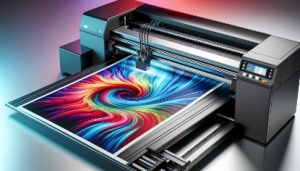
Another advantage of digital prints on Dibond is their durability. They are both water-resistant and fade-resistant, making them suitable for damp environments like bathrooms and sheltered outdoor areas. Plus, Dibond digital prints are customizable in size, available with or without mounting hardware, and can be printed on both sides of the panel, providing a myriad of options for your project needs. When it comes to quality display of digitally printed graphics, Dibond signage delivers professional results at an affordable price.
Fire Safety and Environmental Considerations
While Dibond’s versatility and adaptability are impressive, its commitment to safety and sustainability truly sets it apart. Dibond has a Class O fire rating when panels are framed, indicating a high level of resistance to fire and an ability to withstand temperatures up to 80 degrees Celsius.
Moreover, Dibond takes its environmental responsibility seriously. It’s 100% recyclable, aligning with corporate sustainability efforts and the demands of environmentally conscious designers and printers. But how does this recycling process work, and what does it mean for the environment?
Class A Fire Rating
Dibond’s Class A fire rating is a testament to its effectiveness in slowing the spread of fire. This top fire safety rating is achievable due to Dibond’s aluminum surfaces coupled with its flame-retardant core. Together, these features contribute to its ability to resist fire, providing added peace of mind in various applications.
But Dibond goes beyond being merely fire-resistant. Its core is self-extinguishing, which further prevents the propagation of fire. This is an essential safety feature for materials used in public spaces, making Dibond a reliable and safe choice for a wide range of applications.
Environmental Impact
In a world increasingly focused on sustainability, Dibond stands out as an environmentally responsible choice. The material is 100% recyclable, meaning it can be turned into new products instead of ending up in a landfill. This aligns with both corporate sustainability efforts and the demands of environmentally conscious designers and printers.
The recycling process for Dibond involves:
- Separating the aluminum and polyethylene components through a technical procedure that uses no chemicals or water
- This efficient, waste-free process takes place in specialized recycling plants
- The outer aluminum layers of Dibond can be recycled into new aluminum products, contributing to resource conservation and the circular economy.
Choosing the Right Dibond Product for Your Project
Choosing the right Dibond product for your project involves considering various factors, from durability and aesthetic appeal to specific application requirements. For instance, thicker Dibond boards are recommended for outdoor environments due to their enhanced durability, especially in harsh weather conditions. On the other hand, for indoor applications where ease of handling and installation are important, lighter and thinner Dibond boards are preferred.
In addition, Dibond products’ durability and performance can be further improved by applying surface treatments such as gloss or matte laminates and anti-graffiti finishes. But how do you navigate the myriad of options and make the right choice for your project?
Color Options
Dibond panels come in a range of color options to suit different design preferences and project needs. The standard color options include:
- Aluminum Metallic
- Ultramarine Blue
- British Green
- Red
- Yellow
- Dark Bronze
Each standard color is designed with a dual finish: a high gloss finish on one side and a matte finish on the other, offering versatile design possibilities with two pre painted sheets.
However, it’s important to note that the availability of specific colors and finishes may be tied to certain sizes and thicknesses. For instance, the 3mm and 4mm white gloss/white matte options are provided in the size of 49.2” x 98.4”. This is something to bear in mind when planning your project.
Size and Thickness
In addition to color, the size and thickness of Dibond panels also play a crucial role in determining the right product for your project. Dibond panels are designed with a variety of thickness options to accommodate different application needs, ranging from 2mm to 6mm. This allows for a selection of durability levels, depending on whether your project is indoors or outdoors.
Dibond panels also come in various size dimensions. Standard sizes include dimensions like 49.2” x 98.4” and 59.1” x 120.1”, catering to diverse project requirements. When choosing the size and thickness of your Dibond panels, consider the specific needs of your project and how these factors will add dimension to the final result.
Application Requirements
Lastly, it’s important to assess the specific application requirements when choosing the right Dibond product. Conducting a cost-benefit analysis is crucial to determine the most efficient Dibond thickness for your project while staying within budget. Seek expert advice to select the appropriate thickness of Dibond that meets both the practical and visual requirements of your project without exceeding the allocated budget.
However, it’s worth noting that investing in thicker Dibond boards can provide long-term advantages, such as an extended lifespan and minimal maintenance. These benefits may offset the greater initial cost, making thicker boards a smart investment for certain projects.
Summary
In a world where the demand for durable, versatile, and aesthetically pleasing materials is ever-growing, Dibond has emerged as a leader. Its unique combination of strength, lightness, and versatility makes it a preferred choice for numerous applications, from signage and branding to interior design, furniture, and exhibition displays.
However, the true value of Dibond lies in the benefits it offers beyond its physical attributes. Its Class A fire rating, 100% recyclability, and range of fabrication techniques make it a material that’s not just practical and versatile, but also safe and environmentally responsible. Whether you’re planning a commercial signage project, designing a trade show booth, or crafting custom furniture, Dibond has the potential to elevate your project to new heights.
Frequently Asked Questions
What is Dibond material?
Dibond® is the industry’s leading aluminum composite material, consisting of two pre-painted aluminum sheets with a solid polyethylene core. It is known for being the flattest sheet on the market and is great for digital printing.
How durable is Dibond?
Dibond is highly durable due to its ability to withstand harsh weather conditions, temperature changes, and UV exposure, making it an excellent choice for outdoor signage.
Is Dibond cheaper than aluminum?
Yes, Dibond is generally cheaper than aluminum due to its core made of solid polyethylene, but it is not as strong or durable as aluminum.
What is another name for dibond?
Another name for dibond is sandwich panel, but it can also be referred to as Dilite, Dibond Digital, or Raybond.
What is Dibond made of?
Dibond is made of two pre-painted aluminum sheets bonded to a solid polyethylene core, providing a durable and lightweight material for various applications.
