

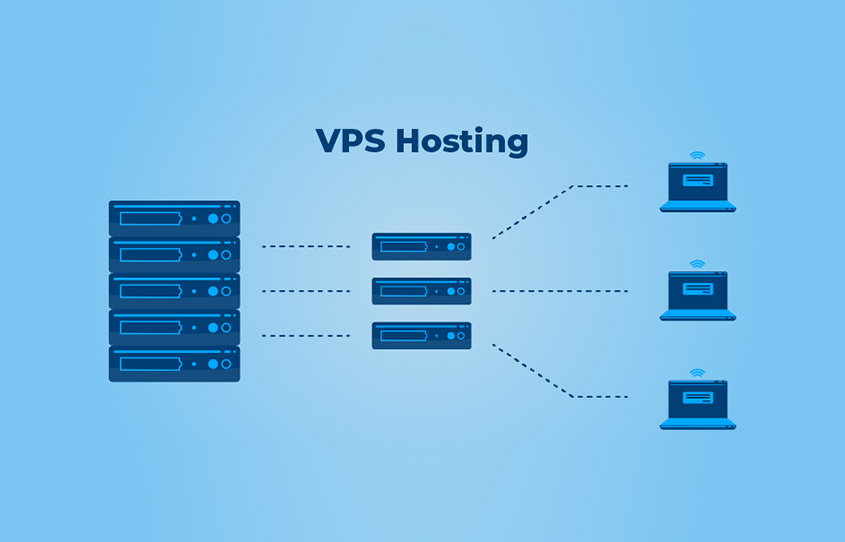
Buying a Virtual Private Server (VPS) can be a significant step for individuals and businesses seeking a more robust and scalable hosting solution than shared hosting. However, navigating the options and choosing the right VPS can feel overwhelming. This guide tackles key considerations to make informed decisions and outlines potential benefits of utilizing a VPS.
Who Benefits from a VPS Server?
A VPS caters to a wider range of users compared to shared hosting. It’s ideal for:
- Individuals with growing websites or applications: As website traffic and application complexity increase, shared hosting resources become limiting. A VPS offers dedicated resources and improved performance, ensuring a smooth user experience.
- Businesses with specific software needs: VPS allows full control over the server environment, enabling the installation of custom software or specific operating systems. This flexibility is crucial for businesses with unique software requirements.
- Developers and IT professionals: A VPS provides a cost-effective platform for development and testing environments, allowing for experimentation and independent project management.
What Can You Do with a VPS Server?
The possibilities with a VPS are vast, encompassing numerous applications:
- Web hosting: Host websites and web applications with dedicated resources, enhancing website speed and reliability.
- Running online stores: VPS offers a secure and scalable platform for e-commerce businesses, ensuring smooth operation during peak traffic periods.
- Development and testing: Create isolated development environments for testing and deploying applications without impacting live websites.
- Data storage: Securely store and manage sensitive data with greater control over access and security measures.
- Game servers: Host dedicated game servers for online gaming communities, offering a low-latency environment for a seamless gaming experience.
Key Considerations when Buying a VPS Server
- Resources: CPU, RAM, and storage space are crucial factors. Assess your current and future needs to select a plan that provides adequate resources for smooth operation.
- Operating System: Choose a familiar operating system, such as Linux or Windows, to ensure ease of management and avoid compatibility issues.
- Uptime and Reliability: Look for providers offering high uptime guarantees and robust infrastructure to minimize downtime and ensure service continuity.
- Scalability: Choose a plan that allows for easy upgrades if your requirements grow in the future. Consider providers offering flexible resource allocation options.
- Technical Support: Reliable and responsive technical support is essential for addressing any technical issues that may arise.
Choosing the right VPS provider is crucial for a successful hosting experience. Cloudzy offers a comprehensive range of VPS plans (https://cloudzy.com/buy-vps/.) with various resource configurations, allowing you to tailor your choice to specific needs. Additionally, Cloudzy boasts exceptional uptime, robust infrastructure, and responsive technical support, ensuring a reliable and efficient hosting environment for your projects. Explore Cloudzy’s VPS plans and discover the perfect fit for your requirements.
Finally, consider the ease of use provided by the hosting control panel. For beginners, a user-friendly interface can significantly reduce the learning curve and facilitate efficient management of the server.
In summary, the right VPS server for beginners is one that offers a balanced mix of performance, reliability, and cost, along with strong security, scalability, and accessible support. Taking the time to research and select a server that aligns with your specific needs will lay a solid foundation for your online ventures.
