

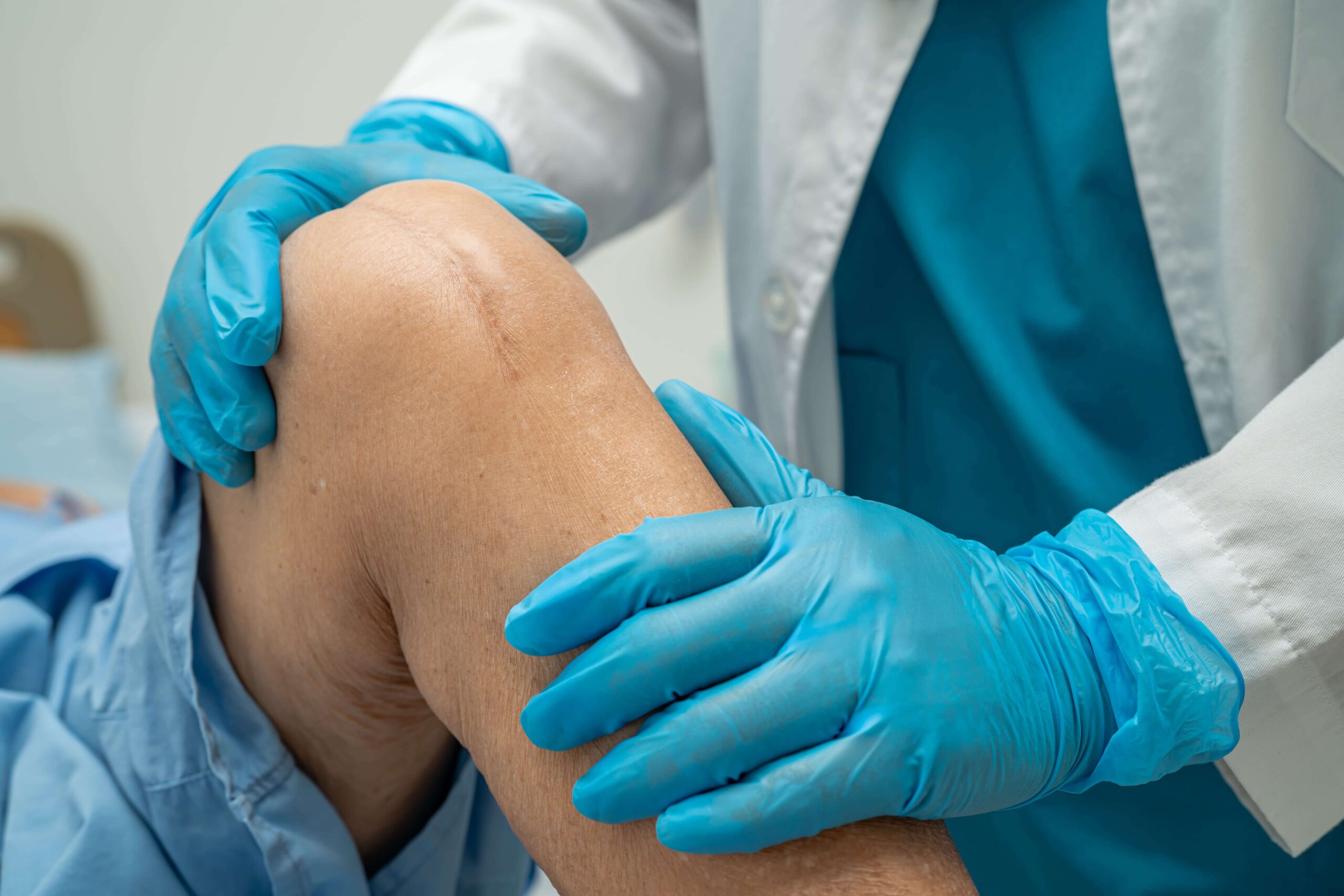
Proper wound care after surgery is crucial for healing and preventing infections. This article delves into the essentials of post-surgery wound care, highlighting best practices and innovative treatments that can accelerate the healing process.
Understanding Surgical Wounds
Surgical wounds resulting from incisions or lacerations during surgery require meticulous care to heal properly. The method used to close these wounds—sutures, staples, or adhesives—is significant in the healing trajectory and infection prevention. Ensuring that these wounds are correctly managed post-operation is the foundation of a successful recovery.
Immediate Post-Surgery Care
Immediately after surgery, the primary goal is to protect the wound from infection while supporting the body’s natural healing processes. Initial steps include applying a sterile dressing to the wound and keeping it clean and dry. Health professionals emphasize the importance of not soaking the wound and following specific bathing instructions to prevent moisture from compromising the wound site. Regular monitoring by healthcare professionals helps to adjust care plans as the wound heals, ensuring the best outcomes.
Dressing Changes and Wound Inspection
Changing dressings is a critical component of wound care, requiring careful technique to avoid introducing bacteria to the wound. Materials needed typically include gauze pads, surgical tape, and, sometimes, a prescribed topical ointment. Monitoring the wound for signs of infection, such as redness, swelling, or discharge, is essential for timely intervention should complications arise. Educating patients on the proper techniques and signs of infection can empower them to participate actively in their care.
Advanced Wound Care Techniques
Advanced wound care methods, such as vacuum-assisted closure or skin grafts, may be recommended for wounds that are slow to heal or at risk of infection. These techniques help promote healing by creating an optimal environment for tissue regeneration. Incorporating these advanced methods into a comprehensive wound care strategy can significantly improve healing rates and outcomes.
Pain Management and Comfort
Effectively managing pain is an essential aspect of post-surgery care. Combining opioid narcotics with non-steroidal anti-inflammatory drugs (NSAIDs) can enhance pain relief while minimizing side effects. Non-medical interventions, like music therapy, have also been shown to reduce pain and anxiety, contributing to a more comfortable recovery. Patient feedback on pain management efficacy is vital for tailoring treatment to individual needs and comfort levels.
Long-term Wound Care and Recovery
The healing process for surgical wounds varies depending on the type of surgery, the method of wound closure, and individual patient factors. Adhering to care instructions and keeping follow-up appointments with healthcare providers are vital to ensure a smooth recovery. A proactive approach to wound care, including lifestyle adjustments and adherence to recommended treatments, can significantly impact the speed and quality of healing.
Incorporating Innovative Products into Wound Care
Innovative products like wound care gel can offer enhanced healing properties and additional protection against infection. Such products are designed to support the healing of surgical wounds by maintaining a moist environment, which is conducive to tissue repair and regeneration.
Similarly, exploring comprehensive wound treatment options can provide insights into additional resources and products to facilitate wound healing and manage conditions like eczema, which can affect skin integrity and recovery.
Conclusion
Effective post-surgery wound care is a multifaceted process encompassing protecting the wound, managing pain, and supporting the body’s healing mechanisms. By adhering to recommended care practices and utilizing innovative wound care products, patients can achieve optimal healing outcomes, minimize the risk of infection, and enhance their overall recovery experience.
