

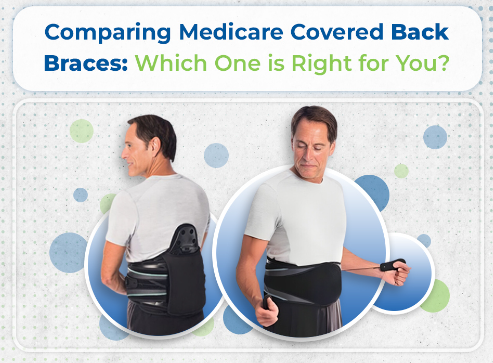
As we age, our bodies undergo changes that sometimes require additional support, like back braces. Understanding which back brace is covered and best suits your needs is crucial for those with Medicare. This article provides a comprehensive overview of Medicare-covered back braces, emphasizing the importance of personal needs assessment and professional guidance. With the right information and support, seniors can make a well-informed choice for their spinal health and comfort. This article aims to clearly compare Medicare-covered back braces, helping you make an informed decision.
Understanding Medicare Coverage for Back Braces
Navigating through Medicare’s coverage for back braces can be complex, but it’s crucial for those who require these supportive devices. Medicare Part B categorizes back braces as Durable Medical Equipment (DME), which means they are covered under certain conditions. To fully benefit from this coverage, it’s essential to understand the types of braces eligible and the circumstances under which Medicare provides support.
Diving Deeper into Coverage Specifics
- Eligibility Criteria: Medicare covers back braces deemed medically necessary and prescribed by a Medicare-enrolled physician. The brace must be intended for home use and assist in recovering from a medical condition or injury.
- Types of Covered Braces: Medicare generally covers different back braces designed for specific medical needs. This includes lumbar supports for lower back issues, post-operative braces for recovery periods, and more rigid braces for severe spinal conditions.
- Coverage Conditions: The coverage for a back brace depends on the individual’s medical condition. For instance, a person recovering from spinal surgery may be eligible for a different type of brace compared to someone dealing with chronic lower back pain.
- Limitations and Restrictions: While Medicare covers back braces, there are limitations to consider. These may include the frequency with which you can replace your brace and specific requirements that the brace must meet to qualify for coverage.
Understanding these nuances is vital for anyone seeking Medicare for back brace support. This knowledge ensures compliance with Medicare regulations and helps individuals choose the right type of brace for their specific health needs.
Types of Back Braces Covered by Medicare
Navigating the world of back braces can be daunting, especially when considering Medicare coverage. Here are the main types of back braces that Medicare typically covers, each tailored to address specific back issues:
- Elastic Braces: These braces are perfect for individuals experiencing mild back pain. They are designed to provide gentle support and comfort while allowing flexibility. Elastic braces are often used for muscle strains or to provide extra support during daily activities.
- Rigid Braces: For those with more serious spinal conditions, rigid braces offer robust support. They are structured to limit motion and provide high stability, essential for conditions like severe spinal osteoarthritis or after certain types of spinal surgery.
- Post-operative Braces: Specially crafted for recovery after back surgery, these braces provide the support and protection with the spine needs during the healing process. They help maintain proper alignment and prevent movements that could disrupt the surgical site.
- Lumbar-Sacral Braces: Targeting the lower back and sacral area, these braces are ideal for lumbar spine conditions. They are beneficial for chronic lower back pain, herniated discs, or lumbar instability. By providing substantial support to the lower back, they help alleviate pain and improve posture.
Understanding the different types of back braces covered by Medicare allows individuals to make informed decisions about their spinal care. With the right back brace, one can effectively manage back pain and improve overall spinal health.
Evaluating Your Requirements for a Back Brace
Selecting the right back brace under Medicare requires a thorough assessment of your needs. Here’s how to determine the most suitable brace for your condition:
- Assess the Severity of Your Back Pain: The intensity and nature of your back pain play a crucial role in deciding the type of back brace needed. For mild pain, an elastic brace might suffice, while for severe conditions might necessitate a rigid or lumbar-sacral brace.
- Obtain a Physician’s Prescription: Medicare coverage for back braces hinges on a doctor’s prescription. Your physician will evaluate your condition and recommend a back brace that aligns with your medical needs. This prescription is also essential for Medicare to approve and cover the cost of the brace.
- Consider Personal Comfort and Fit: While the type of brace is important, personal comfort should not be overlooked. A brace that is too tight might impede circulation, whereas a loose brace might not provide adequate support. Try on different braces to ensure a snug yet comfortable fit.
- Lifestyle Considerations: Reflect on your daily activities and how a back brace would integrate into your routine. If you’re active, you might need a brace that offers both support and flexibility. For post-operative recovery, a brace offering more rigid support might be necessary.
By carefully assessing these factors, you can decide which back brace is right for you. Consulting with your doctor and considering your personal comfort and lifestyle needs will guide you to a brace that meets your medical requirements and fits seamlessly into your daily life.
Comparing Features of Medicare-Covered Back Braces
When selecting a back brace, especially one covered by Medicare, it’s crucial to compare various features to find the one that best suits your needs. Here are key aspects to consider:
- Material and Design: The materials used in a back brace greatly affect your comfort and the brace’s overall effectiveness. Look for options that use breathable, skin-friendly materials to avoid discomfort or skin irritation, especially if you’ll be wearing the brace for extended periods.
- Adjustability for a Custom Fit: A good back brace should have adjustable straps or settings that allow you to customize the fit according to your body size and specific needs. This adjustability is vital for ensuring the brace provides the right level of support and compression without being too loose or tight.
- Ease of Use: Consider how user-friendly the brace is. You should be able to put it on and take it off without assistance easily. If a brace is too complicated to use, you’re less likely to wear it as often as needed, which can impede your recovery.
- Support and Comfort Levels: Different back braces offer varying degrees of support. Some provide more rigid support for severe back issues, while others offer more flexibility. Assess the level of support you need based on your medical condition and daily activities. Comfort is equally important – a brace that causes discomfort or pain is counterproductive.
- Medicare Compliance: Ensure that the back brace you choose complies with Medicare’s coverage guidelines. This includes verifying that the brace is classified as Durable Medical Equipment (DME) and is prescribed by a Medicare-enrolled physician.
By comparing these features, you can select a back brace that meets your medical requirements, fits well, is comfortable to wear, and aligns with Medicare’s coverage criteria. Remember, the right back brace can significantly aid your recovery and improve your quality of life while dealing with back issues.
Read More: Can You Get a Back Brace from Medicare?
Navigating the Selection and Maintenance of Medicare-Approved Back Braces
Selecting the right back brace and understanding its maintenance and Medicare approval processes can significantly affect your back care routine. Here’s a closer look at these aspects:
Consultation with Healthcare Providers
- Expert Guidance: Your healthcare provider is the best source of advice when choosing a back brace. Their expertise can help you select a brace that addresses your specific medical needs, considering factors like your condition’s severity and lifestyle.
- Personalized Recommendations: Different back conditions require different types of support. A healthcare professional can suggest a brace that offers the appropriate stabilization, flexibility, and comfort based on your unique situation.
- Medicare Compliance: Healthcare providers familiar with Medicare policies can ensure that the brace they prescribe meets the program’s eligibility criteria, which is crucial for coverage.
Medicare Approval and Claims Process
- Understanding Medicare Coverage: Familiarize yourself with the Medicare Part B coverage for Durable Medical Equipment (DME), which includes back braces. Knowing the ins and outs of this coverage is key to making informed decisions.
- Documentation and Prescription: Ensure you have the necessary documentation, including a prescription from a Medicare-enrolled physician, which is essential for the approval process.
- Selecting a Medicare-Approved Supplier: Obtaining your back brace from a supplier enrolled in the Medicare program is crucial. This step is necessary for Medicare to cover the brace.
Maintenance and Replacement
- Regular Care: Proper maintenance of your back brace extends its life and ensures it continues to provide the support you need. Regular cleaning and inspection for wear and tear are essential.
- Understanding Replacement Coverage: Medicare typically covers the replacement of DME-like back braces under certain conditions. Familiarize yourself with the frequency of coverage and the criteria for getting a replacement brace.
- Timely Replacements: If your brace shows signs of significant wear or no longer fits properly, consult with your healthcare provider about getting a replacement. A well-functioning brace is crucial for effective support and pain management.
By considering these factors, you can make informed decisions about selecting, using, and maintaining a back brace, ensuring that it meets your health needs while aligning with Medicare’s coverage guidelines. Remember, when used correctly, an appropriate back brace can contribute significantly to your comfort and recovery.
Conclusion
Choosing the right back brace can greatly impact your quality of life. With the right information and guidance, you can find a Medicare-covered back brace that offers the support you need while ensuring compliance with your Medicare plan. Remember, your comfort and health should always be the priority in selecting the appropriate back brace.
Artik Medical Supply’s back braces feature adjustable compression systems and are available for lower and mid-back support. If you’re unsure what product is right for you or if you’re eligible for insurance coverage, Artik Medical Supply will provide the guidance you need. We can even communicate with your doctor to determine the best back brace. Contact today to check for insurance coverage.
Key Phrases/ Key Phrase Synonyms
- Medicare-Approved Back Braces
- Choosing the Right Back Brace
- Comparing Medicare Back Supports
- Back Brace Options for Seniors
- Medicare Coverage for Spinal Braces
- Senior Back Brace Selection
- Understanding Medicare Brace Benefits
- Best Back Braces for the Elderly
