

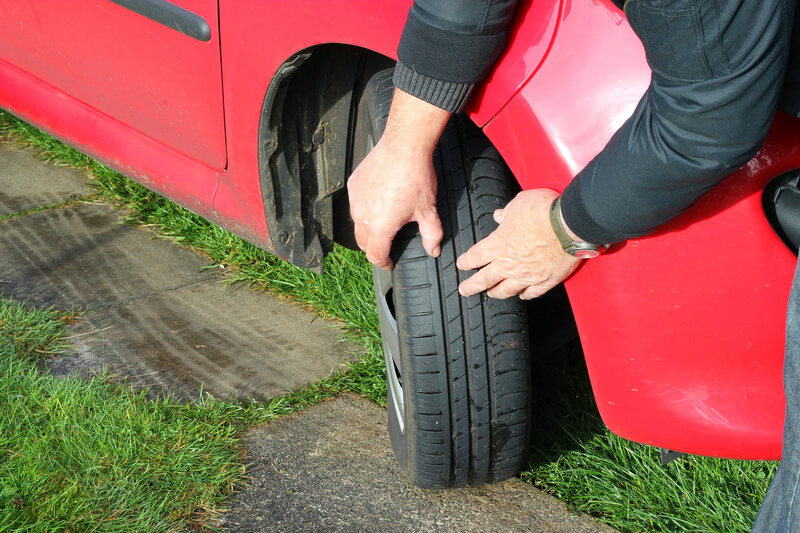
Tire safety is an often overlooked aspect of vehicle maintenance, yet it plays a crucial role in preventing accidents and ensuring road safety. Understanding and adhering to tire safety regulations is essential in Arizona, where extreme temperatures can lead to rapid tire deterioration—drivers who neglect their tires risk accidents and may face fines for failing to meet safety standards.
Arizona’s tire safety regulations are designed to protect both drivers and others on the road. By staying informed about these laws and following best practices for tire maintenance, motorists can reduce their risk of accidents and avoid costly penalties.
Arizona’s Tire Safety Laws: What You Need to Know
Arizona enforces specific regulations to ensure that tires on all vehicles meet safety standards. According to state law, tires must have a tread depth of at least 2/32 of an inch. Tires that fall below this threshold are considered unsafe, as insufficient tread compromises the vehicle’s ability to maintain traction, particularly in wet conditions. Drivers caught with excessively worn tires may face fines and could be required to replace their tires before they can drive again.
In addition to tread depth, Arizona law also requires that tires be free of visible damage, such as cuts, bulges, or exposed cords. These types of damage increase the likelihood of a blowout, leading to serious accidents, especially at high speeds on Arizona’s highways. Regularly checking tires for these warning signs can help drivers avoid violations and keep their vehicles roadworthy.
The Importance of Regular Tire Inspections
Regular tire inspections are critical for maintaining tire safety and ensuring compliance with Arizona’s regulations. Tires can wear unevenly or deteriorate more quickly than expected, particularly in Arizona’s harsh desert climate, where extreme heat accelerates wear and tear. Drivers should check their tire pressure, tread depth, and overall condition at least once a month to prevent accidents and avoid fines.
Tire pressure is particularly important, as underinflated or overinflated tires can lead to poor handling, increased wear, and a greater risk of blowouts. Drivers should follow the manufacturer’s recommendations for tire pressure and adjust accordingly based on driving conditions, especially during the hot summer months in Arizona. By regularly inspecting and maintaining their tires, drivers can enhance safety and extend the lifespan of their tires.
How Tire Neglect Leads to Accidents
Neglecting tire maintenance can significantly increase the risk of accidents. Tires that are worn, underinflated, or damaged reduce a driver’s ability to control the vehicle, particularly when braking or turning. In Arizona’s hot climate, where pavement temperatures can soar, tires that are not in optimal condition are more prone to failure. Blowouts are a common result of neglected tire maintenance, leading to sudden loss of control and potentially catastrophic accidents.
Worn-out tires are especially dangerous in rainy weather, as they are less effective at channeling water away from the tire’s surface. This increases the risk of hydroplaning, where the vehicle skids uncontrollably on the wet road. Regular tire checks are essential to ensure that tires have adequate tread depth and are not at risk of causing an accident, particularly during Arizona’s monsoon season.
Fines for Tire Violations in Arizona
Arizona law imposes fines for drivers who are found to be operating vehicles with unsafe tires. These fines can range from minor penalties to more significant citations, depending on the severity of the tire violation. In some cases, law enforcement may issue a “fix-it” ticket, requiring the driver to repair or replace the tires within a certain timeframe. Failure to comply with such orders can result in further penalties, including additional fines and potential court appearances. In the event of an accident caused by tire neglect, legal assistance from the auto crash attorneys at Sargon Law Group can be essential for navigating liability issues and ensuring your rights are protected.
Fines aside, the cost of neglecting tire safety can extend beyond financial penalties. Drivers who cause accidents due to unsafe tires may face legal consequences, including liability for property damage or personal injury claims. In the worst-case scenarios, tire-related accidents can lead to severe injuries or fatalities, underscoring the importance of tire safety compliance.
How to Stay Compliant with Arizona’s Tire Safety Regulations
Proper tire maintenance is crucial for staying compliant with Arizona’s tire safety regulations, avoiding fines, and ensuring a safe driving experience. Below are key practices to help maintain your tires and reduce the risk of accidents:
- Regularly check tire pressure: Use a reliable gauge to monitor tire pressure and adjust according to the manufacturer’s recommendations. Proper inflation improves fuel efficiency, extends tire life, and enhances vehicle handling.
- Perform the “penny test” for tread depth: Insert a penny upside down into the tire tread. If you can see the top of Lincoln’s head, the tread is too worn, and it’s time to replace the tire.
- Rotate tires every 5,000 to 8,000 miles: This helps ensure even tire wear, extending the life of the tires and improving overall performance.
The Role of Temperature in Tire Deterioration
Arizona’s high temperatures can have a significant impact on tire health. Extreme heat causes tires to expand, which increases pressure and the likelihood of a blowout if tires are not properly inflated. Over time, exposure to heat also degrades the rubber, leading to cracking and weakening of the tire structure. Drivers should pay extra attention to their tires during the summer months and be vigilant about monitoring tire pressure.
Parking in shaded areas, avoiding prolonged exposure to hot asphalt, and checking tire pressure more frequently during heatwaves are simple ways to mitigate the effects of Arizona’s climate on tire health. Drivers should also consider purchasing heat-resistant tires designed to withstand higher temperatures, which can be a worthwhile investment for those who frequently drive in Arizona’s extreme conditions.
The Link Between Tire Safety and Accident Prevention
Tire safety is not just about avoiding fines—it’s about preventing accidents that could result in serious injuries or fatalities. Proper tire maintenance ensures that drivers maintain control of their vehicles under a variety of conditions, from high-speed highway travel to sudden stops in traffic. Tires in good condition help maximize braking efficiency, improve steering response, and reduce the risk of skidding or sliding on wet roads.
Arizona drivers can ensure road safety by complying with tire regulations and maintaining their tires regularly, which reduces accidents and saves lives.
