

With the increasing sophistication of recording devices, the risk of unauthorized audio surveillance is growing, particularly in sensitive environments like business meetings, negotiations, and private conversations. Hidden microphones, smartphones, and other covert recording devices can easily capture confidential discussions, leading to privacy breaches, corporate espionage, or compromised legal matters. In response, audio jammers have become essential tools for safeguarding private conversations. These devices work by emitting disruptive sound waves that prevent recording devices from capturing clear audio, ensuring that sensitive information remains secure. Whether in corporate settings, legal consultations, or personal conversations, audio jammers play a critical role in maintaining privacy and protecting against unauthorized eavesdropping and recording.
How Audio Jammers Work
Audio jammers function by disrupting the ability of microphones and recording devices to capture intelligible audio. These devices use two primary technologies: ultrasonic sound waves and white noise. Each approach has distinct advantages and can be tailored to suit specific environments and security needs.
Ultrasonic Technology
Ultrasonic audio jammers operate by emitting high-frequency sound waves, typically above the range of human hearing (20 kHz and higher). While these frequencies are inaudible to the human ear, they interfere with the sensitive diaphragms inside microphones, distorting or scrambling the audio signals they capture. The ultrasonic waves overload the microphone’s ability to detect sound, effectively rendering any recordings unusable. These jammers are particularly valuable in scenarios where conversations need to proceed without distractions, such as boardrooms, private negotiations, or legal consultations. Their ability to block audio recordings without generating noticeable noise makes them a discreet and effective tool for protecting privacy.
White Noise Technology
Another popular type of audio jammer relies on white noise technology, which generates a constant, low-level sound that masks surrounding conversations. This noise is spread across a wide frequency range, making it difficult for microphones to distinguish between the intended speech and the ambient sound. White noise jammers are commonly used in open spaces where the aim is to create a general disruption, such as in conference rooms or public areas where multiple conversations may be happening simultaneously. The continuous “hissing” sound ensures that microphones can’t capture clear audio, providing broad-spectrum protection against eavesdropping devices.
Best Anti-Drone Jammer Gun: Combining Drone and Audio Jamming
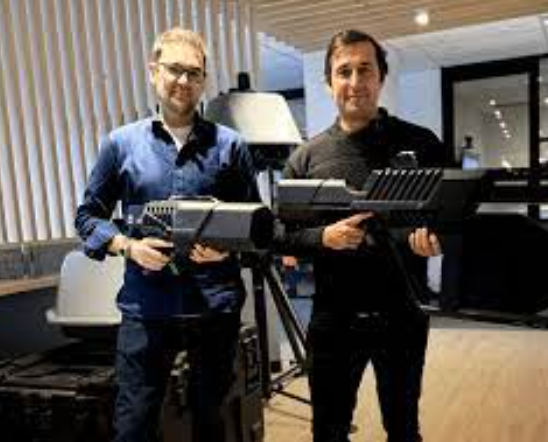
While audio jammers are designed to disrupt ground-based recording devices, anti-drone jammer guns are used to prevent aerial surveillance. These devices target the radio frequencies (RF) used by drones to communicate with their operators, effectively disabling drones by blocking their control signals. The best anti-drone jammer guns, like the SZMID DZ09 Pro, provide long-range protection against drones that might be equipped with cameras or microphones for surveillance purposes.
In addition to neutralizing drones, anti-drone jammer guns can indirectly protect against audio surveillance from above. Some drones are capable of recording both video and audio, making them a dual threat. By jamming the drone’s communication, these devices prevent unauthorized aerial recordings, complementing the ground-based protection offered by audio jammers. Combining drone and audio jammers creates a comprehensive defense system that safeguards privacy both on the ground and from potential airborne threats.
Purchasing Audio Jammers
As the demand for privacy protection grows, audio jammers have become more accessible to consumers looking to safeguard their conversations from unauthorized recordings. Purchasing audio jammers online has never been easier, with a wide range of products available to suit various privacy needs and environments. Whether for personal, corporate, or governmental use, audio jammers come in different models, from small, portable devices to more powerful, stationary units designed for larger spaces.
Portable and Effective Audio Jammers
For individuals seeking privacy in personal or professional settings, portable audio jammers are an ideal solution. These devices are compact and lightweight, making them easy to carry and deploy in various environments, such as during meetings, while traveling, or in public spaces. Portable jammers typically use ultrasonic technology to disrupt nearby microphones, making them effective for creating a small bubble of privacy around the user. They are particularly useful for business professionals, journalists, or diplomats who frequently engage in sensitive conversations and need to protect their discussions from potential eavesdropping.
Ultrasonic Jammer Devices: Many portable models operate on ultrasonic frequencies, providing discreet and non-disruptive protection. These jammers are battery-operated and can fit in a pocket or briefcase, allowing users to take them to meetings or any location where privacy is a concern.
White Noise Jammers: Portable white noise jammers are also available and are effective in situations where more generalized noise masking is needed. These devices are commonly used in open office spaces, co-working environments, or public areas where people may be using smartphones or hidden recorders to capture conversations.
Tailoring Audio Jammers to Specific Needs
When purchasing audio jammers online, consumers should consider the specific privacy needs they are addressing. For instance, if the goal is to protect conversations in corporate boardrooms or government offices, a more powerful stationary jammer may be required to cover a larger area and ensure comprehensive protection against multiple microphones or recording devices. Stationary jammers often use white noise technology, generating low-level interference that covers an entire room.
For personal use, on the other hand, portable models are more practical and allow for greater mobility. These can be used in smaller settings, such as cafes, hotel rooms, or even in cars.
Online marketplaces often feature detailed product descriptions and customer reviews that help potential buyers choose the right jammer for their needs. Factors like battery life, range, and technology type (ultrasonic vs. white noise) are important considerations when selecting an audio jammer.
Legal Considerations When Purchasing
Before purchasing an audio jammer online, consumers should also be aware of the legal restrictions surrounding their use. In many countries, the sale and use of jammers are regulated due to concerns over their potential to interfere with communication systems. While audio jammers are generally allowed for personal or private use, users must ensure that they are compliant with local laws, particularly if the device could impact other individuals’ ability to communicate or record legally. When buying from online retailers, it’s essential to verify that the product meets the legal standards of the buyer’s country or region.
By carefully selecting the right model and ensuring its legal compliance, consumers can purchase effective audio jammers online that provide robust protection against unauthorized recording, ensuring that their sensitive conversations remain private and secure.
Combining Audio and Drone Jammers
As surveillance technology continues to advance, protecting privacy requires a multi-layered approach that addresses both aerial and ground-based threats. Combining audio and drone jammers creates a full-scale counter-surveillance system capable of neutralizing unauthorized recordings and video captures from both ground-level devices and drones. This dual approach is particularly important in high-security environments, corporate boardrooms, government facilities, and outdoor events, where sensitive information must be protected from a variety of surveillance methods.
Complementary Role of Audio and Drone Jammers
Audio jammers and drone jammers serve distinct but complementary purposes. While audio jammers disrupt the operation of ground-based recording devices, such as hidden microphones, wireless transmitters, and smartphones, drone jammers neutralize aerial threats by interfering with the radio frequencies (RF) drones use for communication and navigation. Drones equipped with cameras and microphones present a dual threat, as they can record both audio and video from a distance, making it critical to combine both jamming technologies to ensure comprehensive protection.
Audio Jammers: Designed to block audio recording devices, audio jammers use either ultrasonic waves or white noise to interfere with microphones. These jammers are essential in closed-door meetings, negotiations, and sensitive conversations where recording devices might be hidden to capture confidential information.
Drone Jammers: Drones are frequently used for unauthorized surveillance, and many are equipped with both cameras and microphones. Drone jammers disrupt the communication between the drone and its operator by blocking the drone’s RF signals. This results in the drone losing control, forcing it to either land or return to its operator, thereby preventing the drone from capturing or transmitting surveillance footage.
By combining these two technologies, security teams can ensure full-spectrum protection against surveillance from both the ground and the air. In an indoor environment, for example, audio jammers can be used to block hidden recording devices, while drone jammers protect against drones that may be hovering outside windows or above rooftops. Outdoors, particularly at public events, drone jammers ensure that no unauthorized aerial footage is being captured, while audio jammers prevent microphones from recording conversations.
The Role of Drone RF Detection in Identifying Aerial Threats
One of the most important advancements in modern drone defense systems is the integration of drone RF detection software, which plays a critical role in identifying and neutralizing aerial threats. Drone RF detection systems continuously scan the airspace for the unique RF signals emitted by drones. When a drone is detected, the system alerts security personnel and provides real-time information about the drone’s location, model, and trajectory. This early detection is crucial for identifying drones that may be recording audio or video from above, allowing security teams to deploy drone jammers before the drone can gather sensitive data.
Identifying Audio-Recording Drones: Many drones are equipped with microphones and can record audio while hovering near their targets. By detecting the RF signals used by these drones, RF detection systems can flag them as potential audio surveillance threats. Once identified, drone jammer guns can be deployed to disrupt the drone’s control signals, ensuring that the drone is unable to continue recording or transmitting data.
Proactive Defense: RF detection systems enable a proactive rather than reactive defense strategy. By identifying drones as soon as they enter protected airspace, security personnel can deploy drone jammers at the right time and place to neutralize the threat before any surveillance takes place. This is particularly important in high-security areas like government facilities, corporate campuses, or outdoor events where aerial surveillance poses a serious privacy risk.
Integration with Audio Jammers: By combining RF detection and jamming technologies, organizations can create a multi-layered defense system that not only identifies drone threats but also ensures that both audio and video surveillance efforts are thwarted. For example, at a high-level outdoor corporate event, RF detection can identify any unauthorized drones in the vicinity and drone jammers can be used to block those drones from capturing footage. At the same time, audio jammers deployed around the event area can ensure that no ground-level microphones or recording devices are capturing conversations.
Full-Scale Counter-Surveillance System
A comprehensive counter-surveillance system that integrates both audio and drone jammers is particularly valuable in environments where sensitive information is constantly at risk. Whether protecting trade secrets, government data, or personal privacy, this combination ensures that all potential surveillance methods are neutralized.
Corporate Security: In the corporate world, protecting intellectual property and confidential business information is paramount. Using audio jammers inside meeting rooms and drone jammers to secure outdoor spaces ensures that discussions about sensitive deals, strategies, or research are fully protected from prying eyes and ears. Drone RF detection systems provide an additional layer of security by identifying drones as soon as they enter the area, allowing companies to take preemptive action.
Government and Diplomatic Security: Governments and diplomatic entities frequently deal with classified or sensitive information. In these environments, combining audio and drone jammers is critical for preventing espionage and unauthorized data collection. By deploying RF detection systems, governments can continuously monitor for drone threats, while audio jammers ensure that no ground-level recording devices capture sensitive conversations.
Event and VIP Protection: For outdoor events, particularly those attended by VIPs or celebrities, privacy and security are of utmost importance. Drone jammers protect against drones that may be used by paparazzi or malicious actors to record video footage, while audio jammers block any attempts to record private conversations. This dual-layered defense ensures the complete protection of both individuals and the event itself.
The combination of audio jammers and drone jammers offers a comprehensive defense against modern surveillance threats, neutralizing both audio and visual recordings from hidden devices and drones. By integrating drone RF detection systems with these jammers, organizations can identify and neutralize aerial threats early, ensuring that both ground-based and aerial surveillance methods are effectively blocked. Whether for corporate, government, or personal use, a full-scale counter-surveillance system that incorporates these technologies provides a robust shield against unauthorized recordings, protecting privacy and security in sensitive environments.
Ethical and Legal Considerations
The use of audio and drone jammers raises important ethical and legal considerations. While these devices can effectively protect privacy and prevent unauthorized surveillance, their deployment must be carefully balanced with respect for the legal rights of others, particularly their right to communication and freedom from interference. Navigating the complex landscape of privacy laws and regulatory frameworks is essential for individuals and organizations who seek to use jammers for protection, especially in high-stakes environments like corporate boardrooms, government facilities, and public events.
Privacy Laws Concerning the Use of Audio and Drone Jammers
Privacy laws vary significantly between countries and regions, with some jurisdictions placing strict regulations on the use of jamming devices due to concerns about the broader impact these technologies can have on communication systems. In many cases, jammers interfere not only with the intended target (such as a drone or recording device) but also with legitimate communication systems that are essential for public safety, business operations, and personal communication. For this reason, the use of audio and drone jammers is often highly regulated or restricted.
Audio Jammers: While audio jammers are primarily used to protect private conversations by disrupting microphones and recording devices, their use can still raise legal concerns. In many countries, laws protect individuals’ right to communicate freely, and using an audio jammer in a public or semi-public space could infringe on that right. For example, in corporate settings, employees or clients might object to the use of jammers if they believe it interferes with their ability to communicate or record meetings for legitimate purposes. Therefore, audio jammers should only be used in environments where there is a clear need to protect sensitive information, and their deployment must align with local privacy laws.
Drone Jammers: The use of drone jammer guns is even more heavily regulated due to the broader implications of disrupting radio frequencies (RF). In many jurisdictions, RF spectrum is controlled by government agencies such as the Federal Communications Commission (FCC) in the United States or the European Telecommunications Standards Institute (ETSI) in Europe. These agencies regulate the airwaves used for various communication purposes, including GPS, Wi-Fi, and cellular networks. Since drone jammers work by interfering with these frequencies, their use is generally restricted to authorized entities such as military, law enforcement, or government agencies. In most countries, it is illegal for private individuals or businesses to use RF jammers without permission because of the risk of collateral interference with critical communication systems, such as air traffic control or emergency services.
For example, in the United States, the FCC prohibits the use of RF jamming devices for personal or commercial purposes, with hefty fines and legal consequences for violations. Similarly, European Union regulations impose strict controls on the use of jamming devices to prevent interference with licensed communication channels. These restrictions are designed to prevent disruption to public safety systems and ensure that critical infrastructure, such as hospitals, airports, and transportation networks, can operate without interference.
In other parts of the world, regulations may be less stringent, but users must still ensure that they comply with national laws regarding the use of jammers. For instance, in some countries, businesses may be allowed to deploy audio jammers in specific settings, such as meeting rooms or private offices, provided they do not interfere with nearby communications.
Balancing the Right to Privacy with Respect for Others’ Communication Rights
While audio and drone jammers offer essential tools for protecting privacy, it is important to balance their use with respect for others’ communication rights. On the one hand, individuals and organizations have a legitimate need to protect their confidential conversations and intellectual property from unauthorized surveillance. On the other hand, indiscriminate or poorly regulated use of jammers can infringe on the rights of others, including their right to access information and communicate freely.
- Right to Privacy: The right to privacy is a fundamental concern, especially in settings where sensitive information is discussed, such as corporate meetings, government negotiations, or personal conversations. Audio and drone jammers help protect against breaches of privacy by preventing unauthorized recordings and surveillance. In these cases, the use of jammers is justified as a means of protecting individuals and organizations from potential harm, such as industrial espionage, data theft, or personal security breaches.
- Respect for Communication Rights: However, the right to privacy must be balanced against the rights of others to communicate and record legally. In some situations, individuals may have legitimate reasons for recording conversations, such as documenting legal proceedings, meetings for later review, or media reporting. Deploying audio jammers in these environments could violate the rights of those attempting to lawfully record or communicate. It is important to ensure that jammers are only used in circumstances where there is a clear need for privacy protection and that their use does not extend beyond the intended scope.
- Public Spaces and Shared Environments: The deployment of jamming devices in public spaces or shared environments raises particular ethical concerns. For instance, using audio jammers in a public area, such as a restaurant or hotel, could interfere with the communication devices of other individuals who are not involved in the conversation. Similarly, using drone jammers in outdoor settings, such as public parks or near airports, could inadvertently disrupt legitimate drone operations, such as commercial deliveries, emergency services, or recreational drone flights. This could result in unintended consequences, such as legal disputes or public safety risks.
To navigate these challenges, organizations and individuals must ensure that the use of jammers is carefully controlled and limited to appropriate settings. In many cases, this involves clearly defining the boundaries of jammer usage, such as restricting their deployment to private, enclosed spaces where there is a legitimate need for privacy. Additionally, organizations should consider alternative measures to protect privacy, such as using secure communication systems, encryption technologies, or physical security measures (e.g., conducting meetings in secure rooms) to avoid unnecessary reliance on jamming technologies.
- Transparency and Consent: Another important ethical consideration is transparency and obtaining consent when using jammers. In private meetings or corporate environments, individuals participating in discussions should be informed if audio jammers are being used, and their consent should be obtained before deploying the device. This ensures that participants are aware of the privacy measures in place and prevents any potential conflicts or misunderstandings regarding the use of jammers. In situations where jammers are used to protect corporate secrets or intellectual property, it is important to communicate the reasons for their use and provide alternatives for individuals who may need to communicate legally.
The use of audio and drone jammers offers powerful protection against surveillance and unauthorized recordings, but it also introduces significant ethical and legal challenges. While jammers can be essential for safeguarding privacy in sensitive environments, their use must be carefully regulated and balanced with respect for the rights of others to communicate freely and legally. By understanding the privacy laws governing the use of jammers, implementing proper controls, and ensuring transparency, organizations and individuals can protect their interests without infringing on the rights of others. Proper deployment and ethical consideration of jammers are essential to ensuring both privacy and public communication rights are maintained in today’s increasingly interconnected world.
